There is something wonderfully spirited about hair that lifts away from the roots and falls into a generous curve. An 80s-inspired blowout can give a short bob more presence or make longer layers feel ready for an evening out. These 12 shapes help you choose where you want the fullness, how much front lift feels comfortable and which finish you would enjoy recreating.
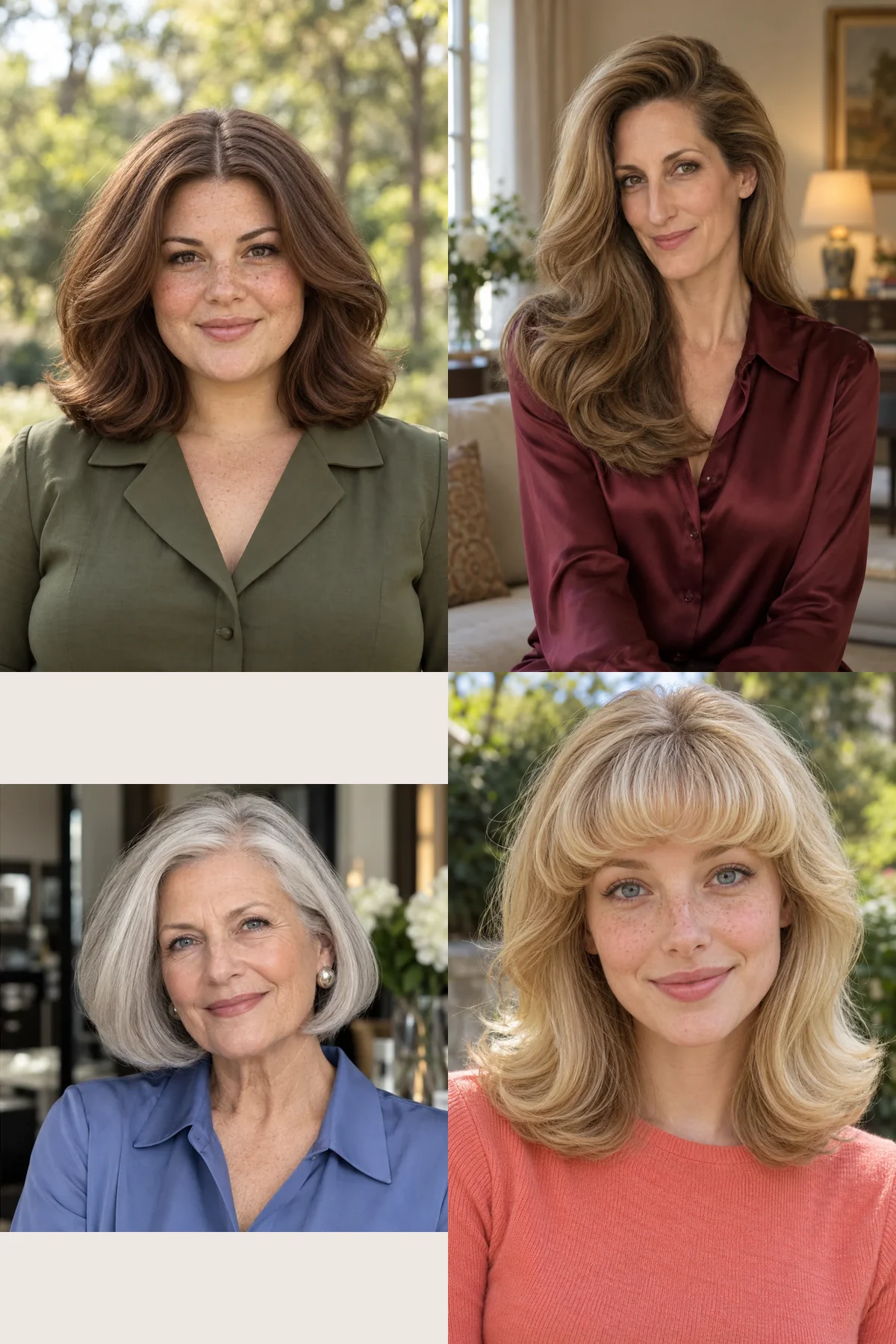
An 80s blowout is a styling description rather than one fixed haircut: think lifted roots, rounded body and deliberate sweeps or curled-under ends created with a blow-dryer and brush, sometimes supported by a roller set. It differs from a perm, which changes the hair more persistently, and from simply brushing out small curls into a fluffy cloud. Decades overlap: many looks called 90s blowouts use the same tools and curves. Here, the emphasis is on generous root lift and expressive direction, not a claim that each shape belongs exclusively to one era. Layers can help certain sweeps fall, but a blowout does not require agreeing to a new layered haircut.
Find the one that feels like you: Start with the first look and let the photographs lead. Each style explains how the shape affects your features, the mood it creates and the exact words to take to your stylist.
Quick Facts
- A blowout is a temporary finish, not a chemical straightening service.
- Root direction and the size of the end bend change the silhouette.
- A roller can support a set; it is not compulsory for every look.
- Let shaped sections cool before brushing them together.
1. A Centered Shoulder-Length Cloud
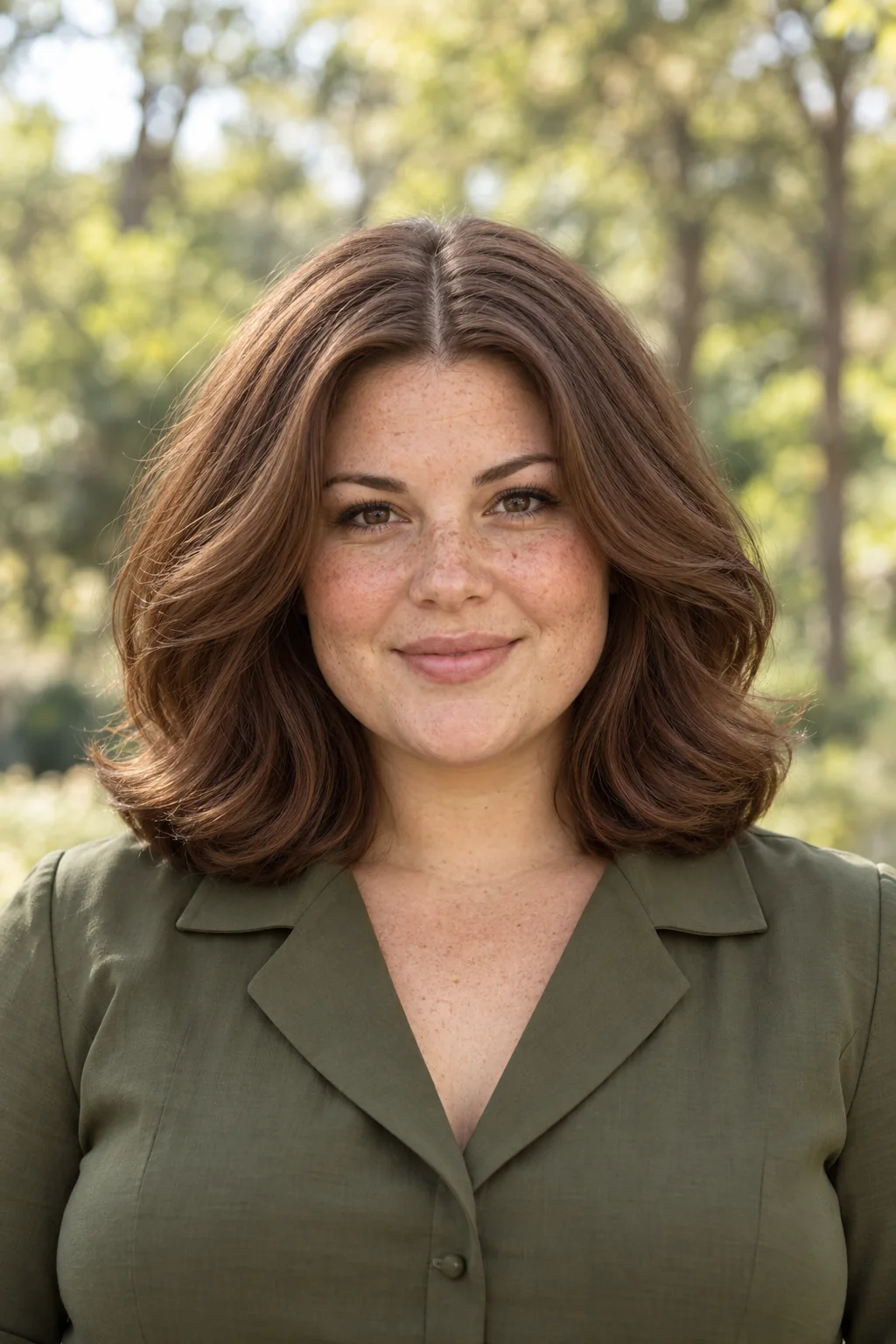
Fullness sits on both sides of a clear center part, then settles into a broad shoulder-length curve with softly turned ends. The balanced outline gives the hair presence around the cheekbones without a dramatic front swoop, making it an inviting choice when you want to feel dressed up while still recognizing your everyday part. Ask for balanced root lift and a rounded shoulder-length finish rather than tightly curled ends or extra layers cut solely for volume. Shape manageable sections with a brush, let them cool and loosen the surface gently; this softer dome may need a quick root refresh after sleeping on it.
Ask your stylist for: A shoulder-length blowout with a clear center part, balanced root lift and broad rounded sides, keeping the ends soft.
2. A Deep Side Part With a Long Sweep
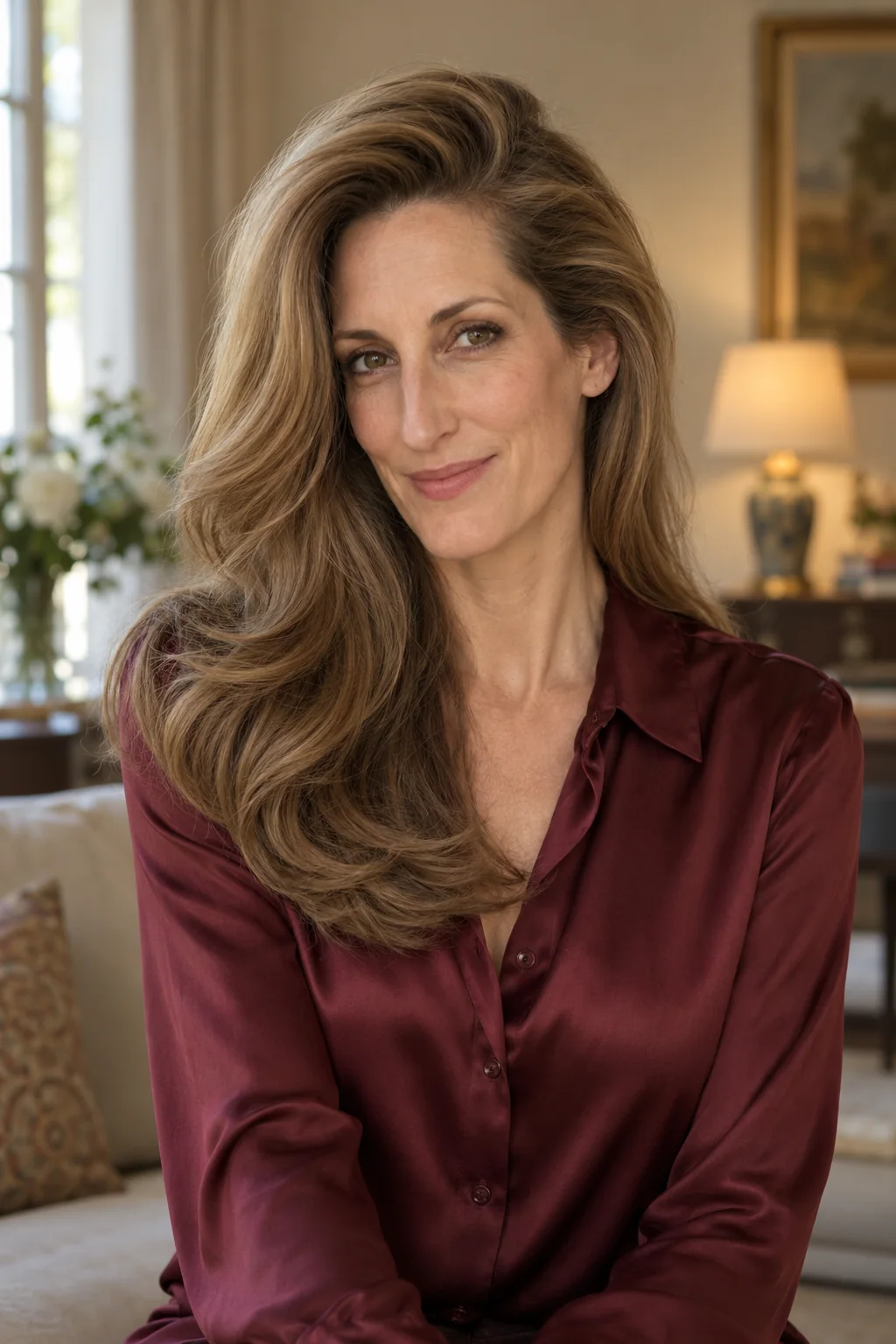
A deep side part sends one generous section up and across the forehead before it joins the longer lengths. That diagonal brings attention toward the eyes and gives long hair a confident evening mood, particularly if a symmetrical center part feels too restrained for the occasion. Tell your stylist you want a lifted front sweep that stays connected to the lengths, with broad bends below rather than separate ringlets. Dry the front in its intended direction and let the bend cool before combing through it; a strong cowlick may determine where the part works best, so test the position before committing to the full set.
Ask your stylist for: A deep side-parted blowout with height above the forehead and a continuous long sweep into broad bends.
3. Feathered Wings That Open the Face

The front sections curve away from the cheeks in distinct feathered wings, while the crown remains lifted and the lower lengths stay loose. Opening that space around the face can make earrings and cheekbones more visible, with an outgoing, playful feeling that suits someone who dislikes hair continually falling forward. Request backward-directed front layers and soft separation, showing the stylist where your existing shorter pieces begin rather than assuming the finish requires a new cut. Set each front section away from the face and release it only when cool; too much brushing afterward can merge the wings into a less defined sweep.
Ask your stylist for: A medium-length blowout with front layers directed backward into soft paired wings and a lifted but touchable crown.
4. A Rounded Bob With Lift at the Crown

A compact bob takes on a plush, rounded silhouette when the crown lifts and the jaw-length ends curve inward together. The clear lower outline makes the finish feel composed rather than fluffy, a pleasing option if you want short hair to look polished for dinner or a work event without adding an elaborate accessory. Ask for a rounded bob blowout with crown lift and an inward bend, making clear that the styling request does not authorize a stacked haircut. Use a brush size that the short sections can comfortably follow, and ease the ends into one curve; overworking them can leave a tighter roll than you intended.
Ask your stylist for: A rounded jaw-length bob blowout with modest crown lift and a continuous inward end curve, without cutting a stacked back.
Pause and notice: Choose where the fullness belongs: above the forehead, beside the cheeks or around the ends. A useful reference shows that placement clearly.
5. An Airy Fringe Rolled Above the Brows
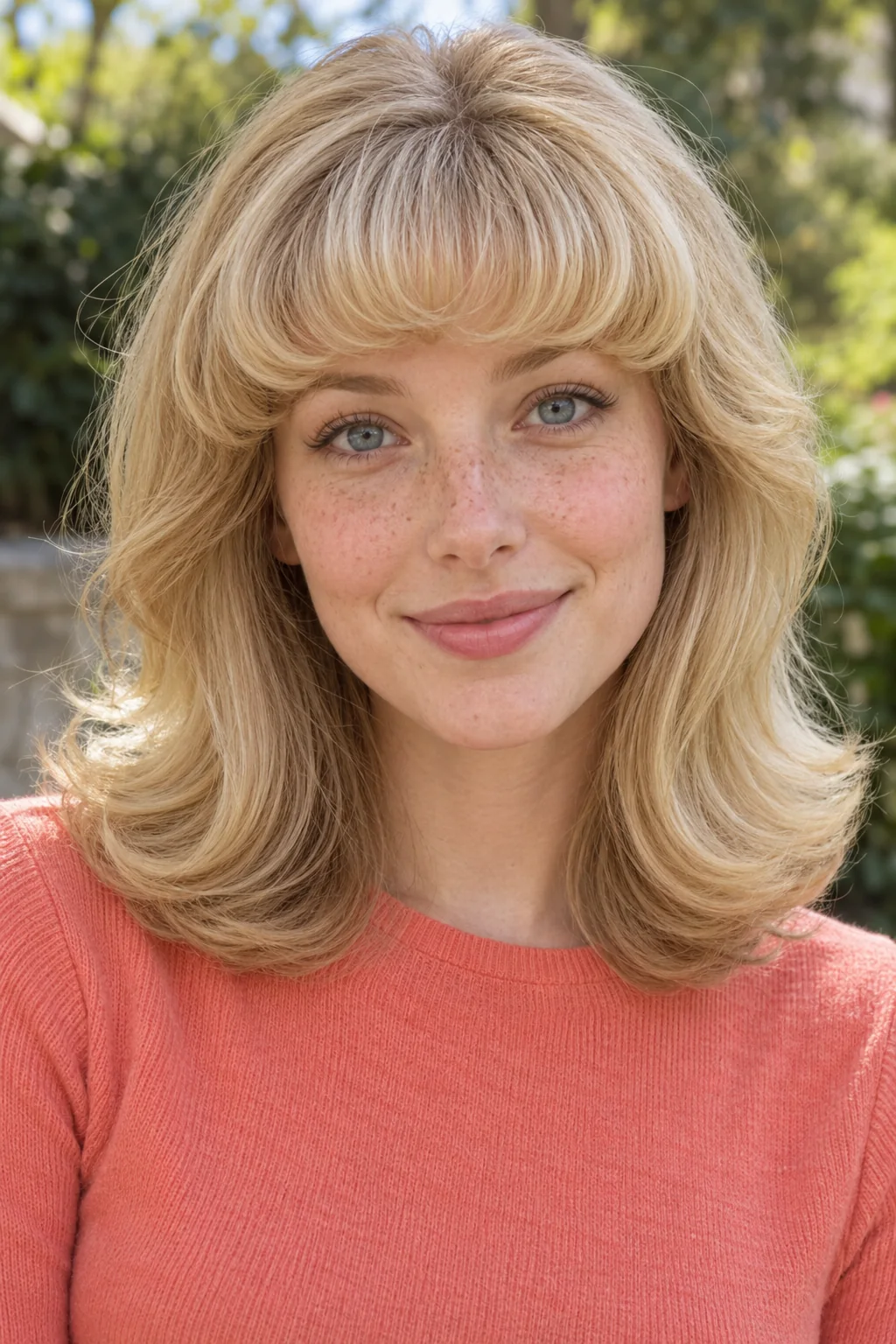
A softly rolled fringe forms a light arch above the brows, with the rest of the hair falling into an easy shoulder-length blowout. The little pocket of lift keeps the eyes visible and gives the whole shape a cheerful retro character, especially if you enjoy fringe but dislike a flat strip against the forehead. Ask for an airy brow-clearing curve with soft ends, checking the dry landing point before anyone shortens the bangs. A small brush or suitable roller can guide the bend, but release it carefully and separate with fingers; fringe often needs refreshing sooner than the longer hair because it sits close to the skin.
Ask your stylist for: An airy curved fringe that clears the eyes above a soft shoulder-length blowout, avoiding a stiff cylindrical roll.
6. A Short Top Swept Up and Back
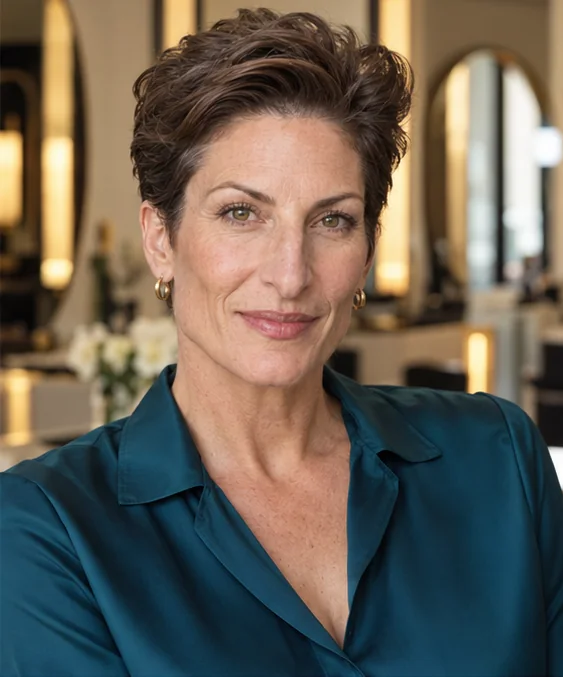
Longer hair on top rises above the forehead and flows backward, while the shorter sides stay soft and close enough to reveal the ears. Height concentrated at the top can visually lengthen the outline and create a spirited, self-assured feeling without the width of a full shoulder-length blowout. Show your stylist the amount of front height you want and ask for a swept-back finish with flexible sides, not a stiff quiff or new undercut. Direct the roots backward as you dry, then support the shape lightly; this option works best when the top already has enough length to bend instead of standing straight up.
Ask your stylist for: A short blowout with the longer top lifted up and backward, softly curved sides and no rigid spiked finish.
7. A Collarbone Bell With Ends Turned In

Here the fullness gathers lower down, forming a gentle bell around the neck before the ends turn inward near the collarbone. The quieter crown makes this an approachable first experiment with retro body, offering a polished, reassuring shape when a towering front would feel like too much for an ordinary afternoon. Ask for lower-side fullness and a broad inward curve, showing how the ends should sit against your usual collar. Work the lower sections deliberately rather than adding lift everywhere; shoulder contact can disturb the curve as you move, so a quick end reset may be more useful than repeating the whole blow-dry.
Ask your stylist for: A collarbone blowout with restrained crown lift and a full lower bell shape, turning the ends inward in one broad curve.
8. Long Layers With an Outward Cascade
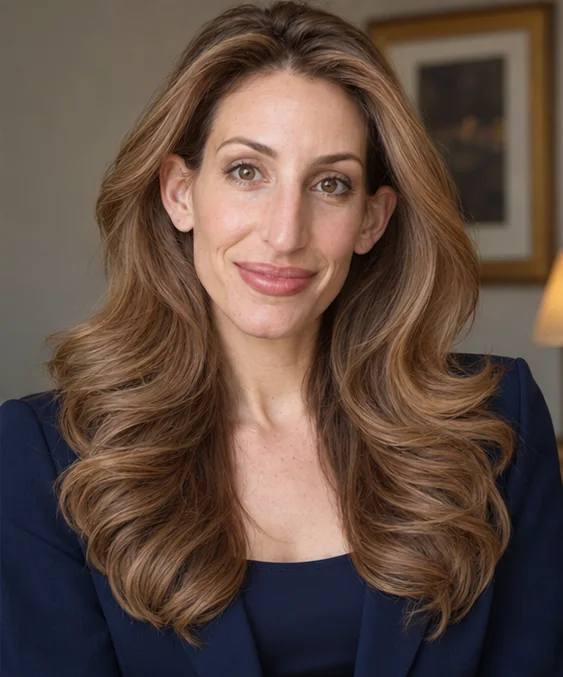
Broad outward bends travel down existing long layers, creating a cascading outline instead of one heavy curl at the bottom. That movement draws attention through the length and can make a familiar long cut feel glamorous for a celebration, while keeping enough softness to move naturally when you turn your head. Ask for outward-directed bends through the face frame and a substantial lower length, separating the styling request from any decision to add shorter layers. Set the sections in a consistent outward direction and allow them to cool before gently joining them; very long or heavy hair may relax faster than a lighter layered reference.
Ask your stylist for: A long layered blowout with broad outward bends through the existing face frame and a lifted crown, leaving the lower length substantial.
Pause and notice: A blowout photograph shows a finish, not a promise about the underlying cut. Discuss styling first, then decide separately whether you want any length removed.
9. An Off-Center Forelock With a Clear Lift

One front section lifts from an off-center part into a small, visible crest, while the neck-length sides remain rounded and lower. Concentrating the drama above one brow leaves the cheeks less enclosed, so the result can feel lively and confident without needing a large halo of volume all around the head. Ask for a lifted forelock with a clear opening above the brow and quieter sides, pointing out any root pattern that naturally pushes the front across. Dry that section first and support its bend while it cools; if you repeatedly touch it during the day, the little crest is likely to soften.
Ask your stylist for: A neck-length blowout with an off-center lifted forelock, an opening above one brow and rounded sides that stay lower.
10. A Quiet Crown Above Broad Rolled Ends

A relatively quiet crown lets the broad rolled-under ends carry the look, with the curve beginning below the shoulders rather than beside the cheeks. It gives long hair a deliberate, elegant finish while keeping the face frame familiar, making it useful when you want to feel occasion-ready without managing a high front throughout the evening. Tell your stylist to keep the upper lengths smooth and build a generous lower bend, not a collection of tight barrel curls. Choose a tool size that creates the broad curve you want and let it cool before brushing; the weight of the length may gradually open the roll into a softer bend.
Ask your stylist for: A long blowout with a relatively smooth crown and broad rolled-under ends below the shoulders, avoiding tight separate curls.
11. A Lob With Fullness Beside the Cheeks

The widest point sits beside the cheeks, with a modest crown and lightly flipped tips keeping the shoulder-skimming lob from looking like a rigid oval. That horizontal emphasis can add welcome balance to a long, narrow outline and feels buoyant and sociable, especially if you prefer visible side movement to height above the forehead. Ask for broad cheek-level fullness with a quiet crown and only a small end flick, rather than asking for maximum volume everywhere. Support the side sections as they cool and loosen them lightly; hair that naturally falls close to the face may need more deliberate setting to maintain this width.
Ask your stylist for: A shoulder-skimming lob blowout with broad fullness beside the cheeks, modest crown height and lightly flipped lower tips.
12. One Ear Open Beneath a Soft Side Sweep

One side sits neatly behind the ear while the opposite side carries a soft, rounded sweep, creating an intentionally uneven outline. The open side brings attention to the cheek and an earring, giving the blowout a relaxed, quietly glamorous feeling that suits dinner plans when you still want the hair comfortably away from part of your face. Ask for rounded body with one ear exposed and a flexible opposite sweep, checking whether the tucked section will stay comfortably in place at your current length. Shape the hair first, then tuck gently after cooling; a discreet pin can help without requiring you to flatten the entire side.
Ask your stylist for: A medium-length rounded blowout with one ear exposed and a soft opposite side sweep, retaining flexible movement.
Before You Book the Appointment
A successful salon visit begins with the overall shape, construction and upkeep—not only the finished length. Use this quick reality check before choosing your final reference photograph.
- Fine or low-density hair: Concentrate lift where you want it and use small amounts of product. A large-looking finish still depends on the hair available; heavy creams can flatten it.
- Dense hair: Work in manageable sections and allow enough drying time. Ask about weight distribution before removing hair to imitate a styled photograph.
- Waves and curls: Decide how much natural texture to retain. A smoother blowout may take more time and tension; it is a choice, not a necessary improvement on your texture.
- Short hair: Compare the usable length at the front and sides with the brush or roller size. Very short sections cannot wrap into every pictured curve.
- Routine: Choose a modest silhouette for a short styling window. Humidity, exercise, sleep and your natural root pattern can shorten the life of a set.
What to Say at the Salon
Bring a front and side reference and point to the highest and widest parts of the shape. Ask for a temporary blow-dry or set, and explain whether you want any natural wave left visible. Say how much time you have at home and which tools you already feel comfortable using. If layers are suggested, ask where they would begin, how the hair would fall without the blowout and whether the same general finish can work with your current cut. A photo of the shape after it has softened can be more useful than expecting a fresh salon set to stay unchanged.
Build the Shape in Manageable Sections
Start with detangled hair and follow the directions on your heat protectant and tools. Remove excess moisture before detailed brush work, using a temperature and tension appropriate for your hair. Place the part, shape the roots in the direction you want them to fall and work in sections small enough to dry evenly. Guide the ends into a broad curve instead of repeatedly winding them into a tight curl. Let each shaped section cool before combing it into the next. Keep hot tools moving, avoid pulling painfully at the roots and stop if a brush catches rather than tugging through it.
Do You Need Rollers for an 80s Blowout?
Rollers can support a bend while hair cools, but a brush and dryer can also create rounded body. Match the roller to the section length and the size of curve you want; a larger roller does not automatically create more root lift. Use rollers according to their instructions and remove them gently, unwinding rather than dragging them out. Heatless sets create a different process and may not reproduce the same smoothness. The most useful choice is the method you can handle comfortably and repeat, not the largest collection of tools.
How Is This Different From a 90s Blowout?
The labels overlap in modern searches and salon conversations. An 80s reference often emphasizes generous root lift, stronger directional sweeps or feathered movement; a 90s reference may emphasize smooth, bouncy layers, but there is no reliable rule dividing every photograph by decade. Show the actual shape you want and describe its part, volume and ends. These are styling references, not evidence that a particular haircut or tool was exclusive to one era. For crimping, tied styles and other techniques beyond a blowout, see the broader 80s guide below.
Refresh the Set as the Cut Grows
Keep heavy product away from roots that flatten easily, and refresh only the sections that need it. A front sweep or fringe may lose shape before the lower lengths do; humidity, sleep and exercise can also alter the result. Avoid promising yourself a fixed number of days from a blowout. As your cut grows, the same brush placement may produce a lower or looser curve, and the ends may meet your shoulders differently. Ask for a styling adjustment before assuming you need shorter layers, then trim according to the underlying cut and the condition of the ends.
The Takeaway
Pick one place for the volume to lead, then decide how much movement you want around your face and ends. A rounded blowout feels most satisfying when the shape suits your current cut and the setting method fits your patience. Take that specific reference to your stylist, keep haircut decisions separate and give yourself room to enjoy the softer version as the set settles.
More Hair Inspiration
- More 80s Hairstyle Ideas — Compare crimping, accessories and tied styles beyond the rounded blowout.
- Butterfly Haircuts and Their Layers — Explore the underlying layered cut separately from a temporary blowout finish.