Sometimes the most exciting change is keeping your length and giving it a different shape. A wolf cut builds shorter, textured layers around the crown and face above a longer, tapered perimeter, creating a lifted upper outline that narrows toward the ends. Its signature is that crown-to-length contrast: a little fluffy, a little untamed, and much more intentional than simply adding a few long layers.
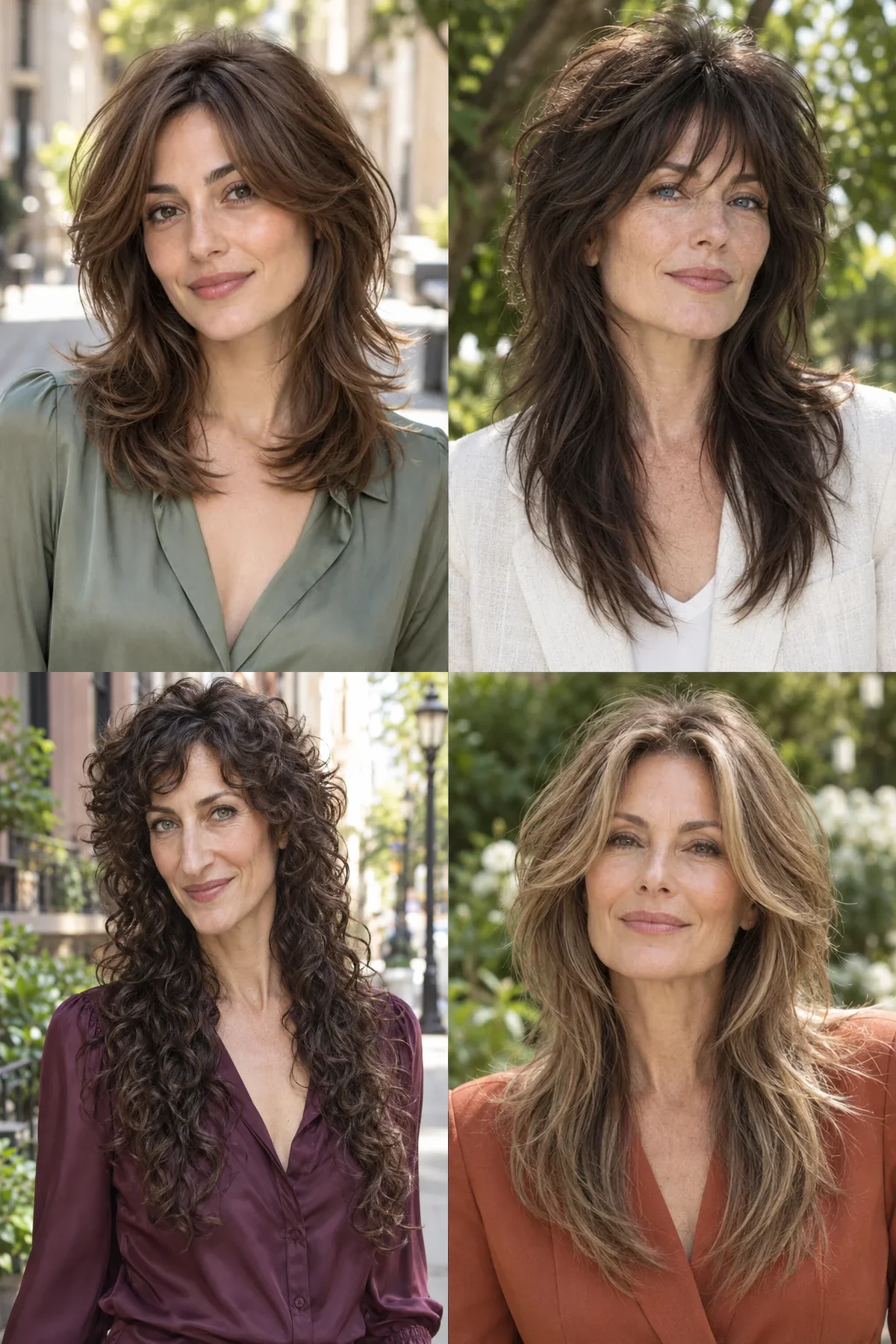
The name sits between shag and mullet, and stylists do not all use it in exactly the same way. A shag usually spreads graduation more evenly through the haircut; a mullet makes its shorter sides and longer rear length especially visible. These wolf cuts keep a fuller layered outline around the face while letting the lower lengths look lighter. Compare the 20 shapes by crown height, side width, fringe and perimeter rather than hair color, then choose the version your texture and morning routine can support.
Find the one that feels like you: Start with the first look and let the photographs lead. Each style explains how the shape affects your features, the mood it creates and the exact words to take to your stylist.
1. A Soft Collarbone Wolf With Cheekbone Curtains
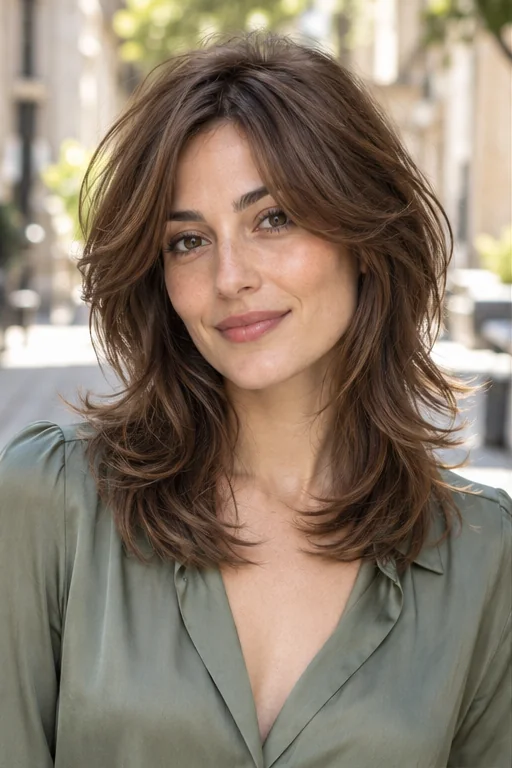
A softly lifted chestnut crown flows into cheekbone curtains and feathered collarbone ends, giving this wolf a clear shape without an extreme drop between layers. The moving front draws attention toward the eyes while the lighter bottom keeps the shoulders from feeling crowded, creating an easy, quietly confident impression for everyday clothes. It suits someone curious about the silhouette who still wants recognizable length and does not want to arrange a dramatic crown every morning. Ask for modest crown lift, cheekbone curtains and a substantial collarbone perimeter, then dry the front away from the face with a small amount of lightweight mousse rather than flattening every layer.
Ask your stylist for: A collarbone wolf with modest crown lift, cheekbone curtains and a softly tapered but substantial perimeter.
2. A High, Fluffy Crown Over Long Tapered Lengths
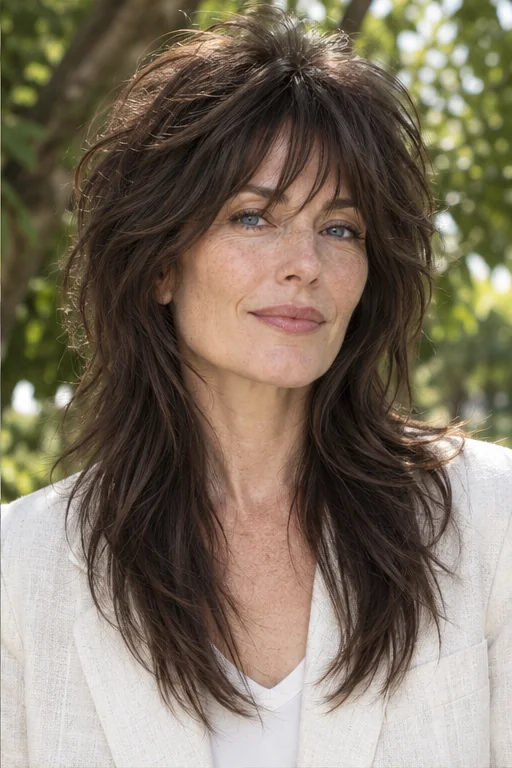
Short fluffy crown layers sit visibly above long dark lengths here, making the upper half look buoyant while the chest-length ends fall into a narrower tail. That strong contrast brings energy to hair that otherwise hangs in one heavy curtain, and it can feel expressive and self-assured even with a plain outfit. Choose it if you like visible texture and can spare a few minutes lifting the roots; a very short crown will not disappear neatly into a ponytail. Request a lifted crown, airy forward fringe and connected sides over long tapered lengths, then direct the roots upward while damp and keep rich conditioner away from that upper section.
Ask your stylist for: A visibly lifted short-layered crown, airy forward fringe and long tapered lengths, retaining a connected side outline.
3. Straight Shoulder Length With Outward Feathering

On straight copper hair, the rounded crown and cheek-level pieces are easy to see, with outward-feathered ends giving the shoulder-length perimeter a light, flickering finish. The visible steps add movement without relying on a natural wave, making a familiar medium length feel lively and deliberately styled rather than flat. It suits someone who enjoys a quick dryer finish; very straight hair may settle closer to the head once the styling wears off. Ask for a rounded crown and controlled cheek-to-shoulder graduation without shredding the ends, then use heat protection and turn only the last few centimeters outward instead of curling the entire haircut.
Ask your stylist for: A shoulder-length wolf with a rounded crown, cheek-level graduation and controlled outward feathering rather than shredded ends.
4. An Open Forehead With Long Jaw-Level Framing
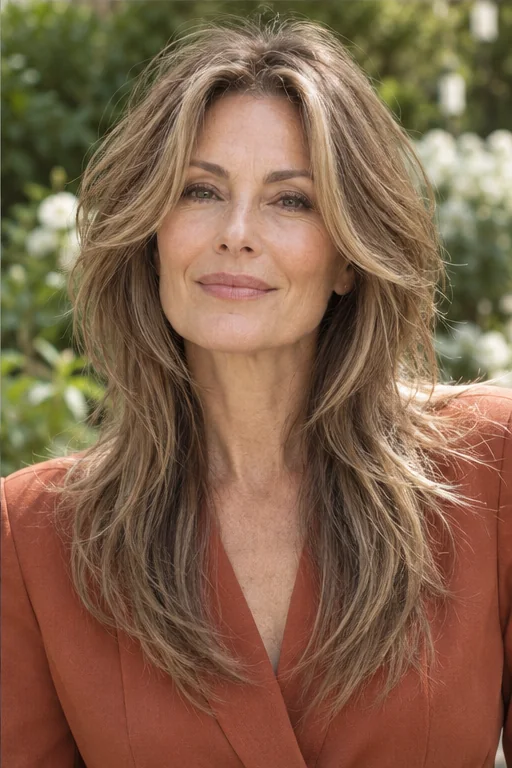
Prefer your forehead clear? An open center part and jaw-level front pieces leave it visible while the dark-blonde crown still rises above tapered long lengths. Keeping the front longer opens the expression and gives the haircut a composed, relaxed confidence, especially if daily fringe resets put you off shorter bangs. The jaw pieces can tuck behind the ears, although the shorter crown may fall loose when the rest is tied back. Request no separate short fringe, with the shortest front pieces at the jaw and a graduated crown, then guide the front away from the face instead of forcing it forward.
Ask your stylist for: A long wolf with crown graduation, an open center part, shortest front pieces at the jaw and no separate short fringe.
Pause and notice: Cover the hair color and compare only the silhouette. Would you rather keep the forehead open, wear curtains or bring the fringe forward?
5. Natural Waves With a Soft, Full Forward Fringe
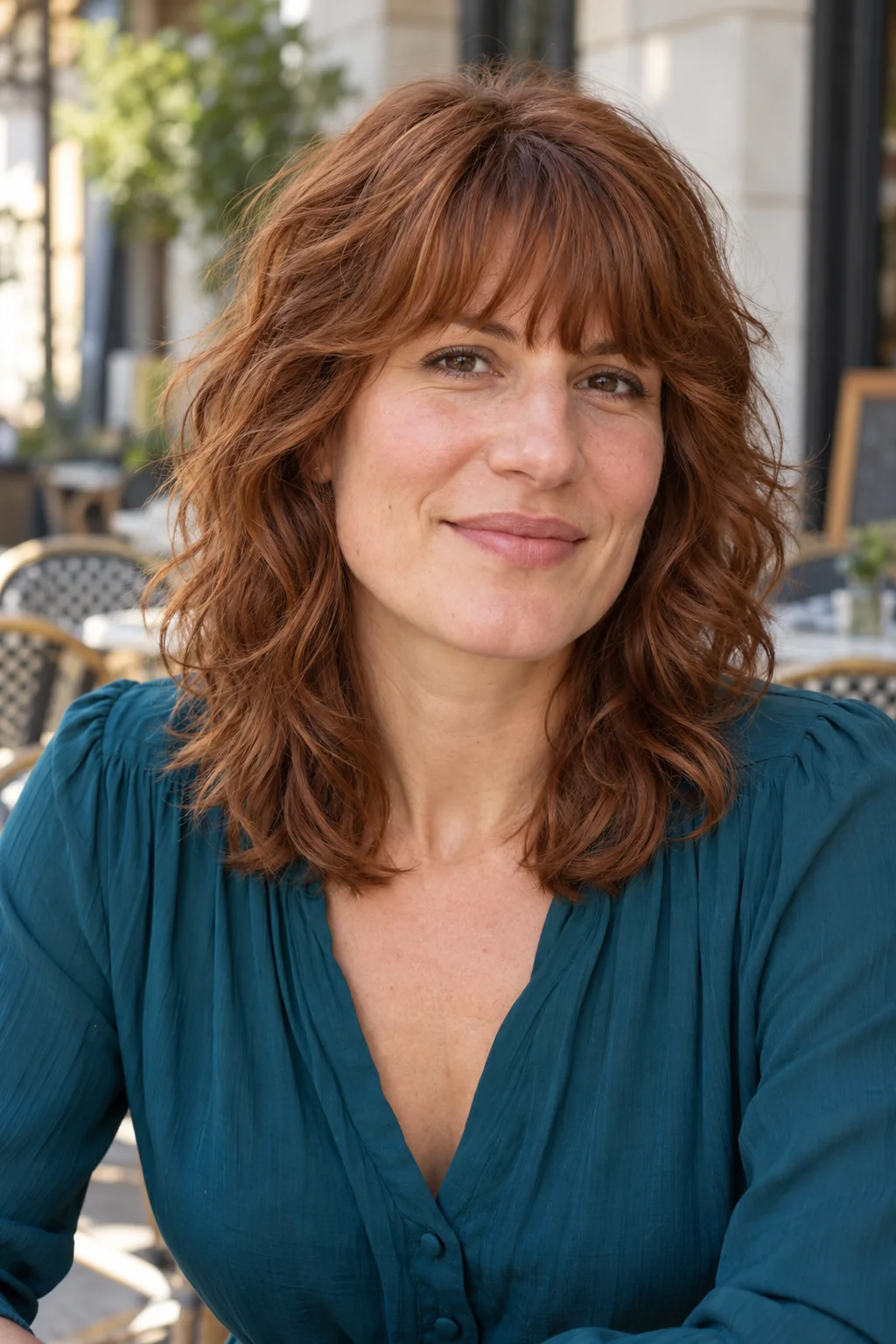
Loose auburn waves fill out a rounded crown beneath a soft full brow-length fringe, then become lighter through the medium-length ends. That forward front gives the eyes a definite frame while the waves keep the outline from feeling rigid, creating a warm, slightly rock-and-roll confidence without a sharply disconnected side. It suits a cooperative front wave and someone comfortable with a little daily variation; one fringe piece may need a damp reset after sleep. Ask for dry brow-length checking and a rounded wavy crown, then scrunch in lightweight foam and leave the fringe's supporting density intact rather than thinning it into gaps.
Ask your stylist for: A medium wavy wolf with a soft full fringe checked at dry brow length, a rounded crown and feathered ends.
6. Long Defined Curls With a Rounded Upper Shape
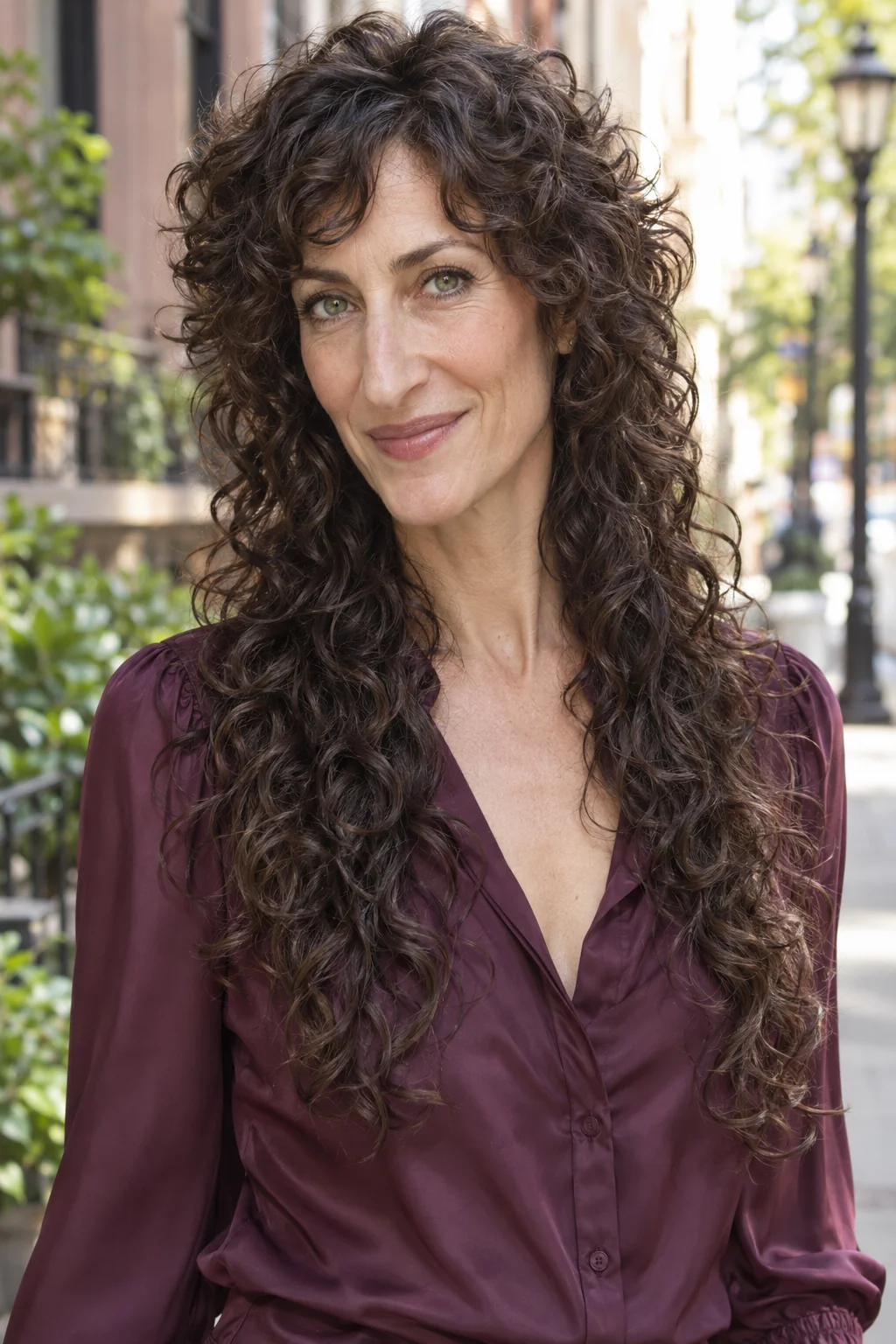
Defined dark curls create a rounded upper shape, with shorter groups framing the cheeks and longer curls tapering down past the shoulders. Bringing some fullness upward can stop long curls from feeling concentrated only at the bottom, giving the whole style a buoyant, joyful presence while preserving meaningful length. It suits a curl-aware consultation and a routine that accepts shrinkage differences rather than expecting every curl to land in one line. Ask for dry assessment in your usual curl pattern with retained lower density, then diffuse gently or air-dry without disturbing the groups; brushing out the crown will produce a different, softer silhouette.
Ask your stylist for: A long curly wolf assessed in the usual dry curl pattern, with rounded crown volume, cheek-framing curl groups and retained lower density.
7. A Fine-Hair Wolf With a Fuller Lower Edge

The lower edge is the detail to save in this photograph: it stays visibly fuller beneath selective blonde crown layers and a shallow fringe. That restrained contrast gives fine hair an intentional shape and a quietly fresh feeling, with a little upper lift instead of a dramatic fluffy cap. A haircut cannot create extra density. If your ends are already sparse, discuss a less layered alternative; otherwise ask for selective crown work and an unshredded collarbone perimeter. Concentrate a small amount of volume product at the roots, and remind the stylist to preserve those ends at later trims rather than repeatedly thinning them.
Ask your stylist for: A restrained wolf for fine hair, with selective crown layers, a shallow fringe section and a fuller unshredded collarbone edge.
8. Thick Hair With Narrow Cheeks and Controlled Interior Weight

The black crown stays rounded rather than towering, with narrow cheek-level sides and a substantial medium perimeter that tapers into separated ends. Carefully controlling interior weight lets thick hair move closer to the face, making the outline feel less crowded and giving the wearer a composed, confident sense of control. It suits abundant hair that feels bulky, provided the stylist considers its growth pattern and avoids leaving a forest of short hairs beneath the surface. Request selective interior weight removal with connected surface layers, then smooth only the outer pieces with a light cream instead of coating every layer and losing the haircut's movement.
Ask your stylist for: A medium wolf with controlled crown height, narrow cheek-level sides and selective interior weight removal beneath a connected surface.
Pause and notice: Fine hair and thick hair need different kinds of restraint. Ask which layers can be changed without sacrificing the lower outline.
9. Cheekbone Wings Over a Narrow Shoulder-Length Tail
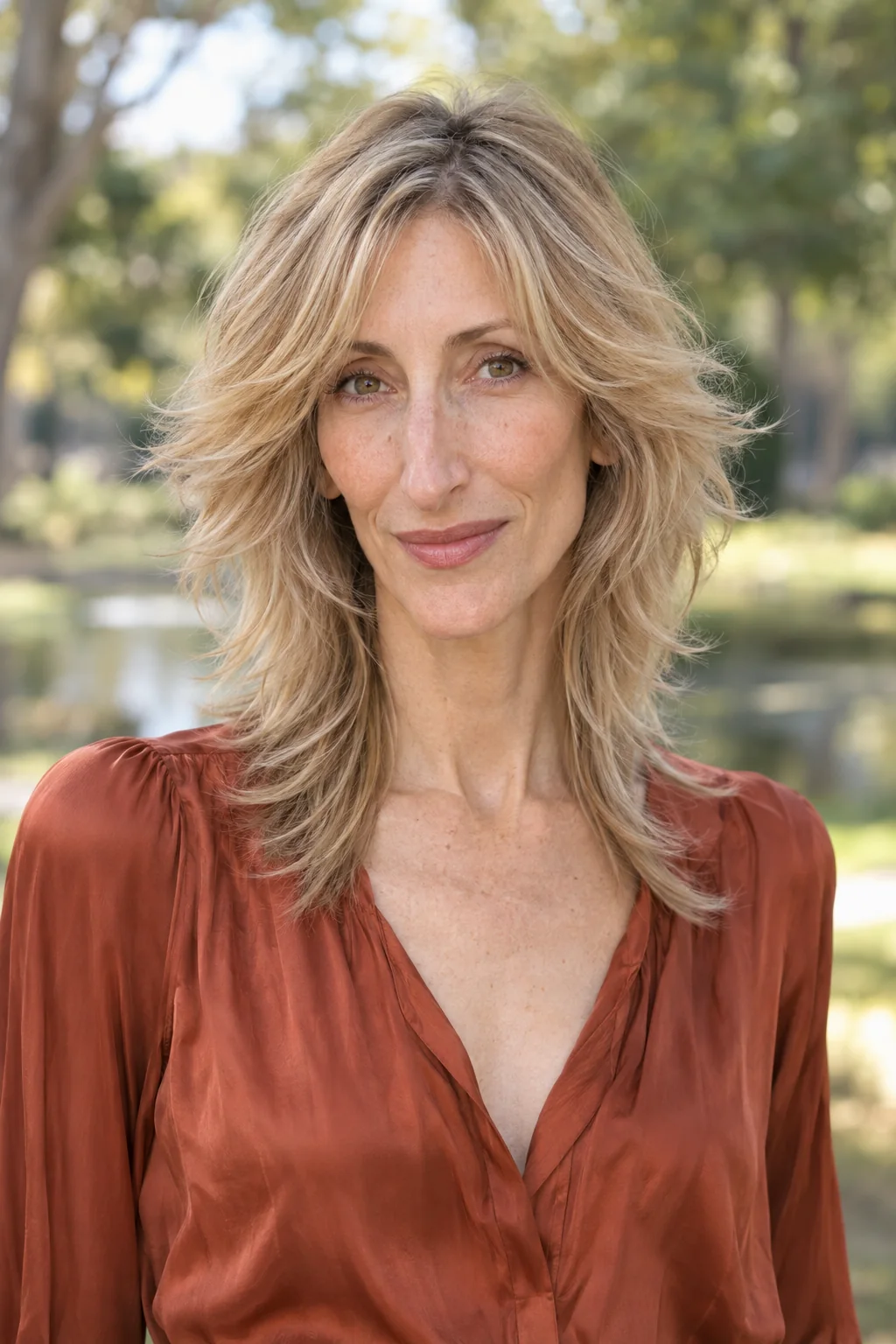
Broad sandy-blonde wings curve outward beside the cheekbones before the shoulder-length ends narrow underneath. The widest point sits beside the face, so this reference can be useful if you want to balance a long or narrow outline. That sweeping movement feels playful and dressed-up without needing extra overall length, but it may work against your aim if you prefer less facial width. Take the photograph straight on and ask for cheekbone-level wings above a narrower lower perimeter. Roll the front outward with a brush while damp, then check how much width you actually enjoy before adding more lift.
Ask your stylist for: A shoulder-length wolf with pronounced outward cheekbone wings, a rounded crown and a narrower feathered perimeter.
10. A Narrow Face Frame With Height Through the Crown
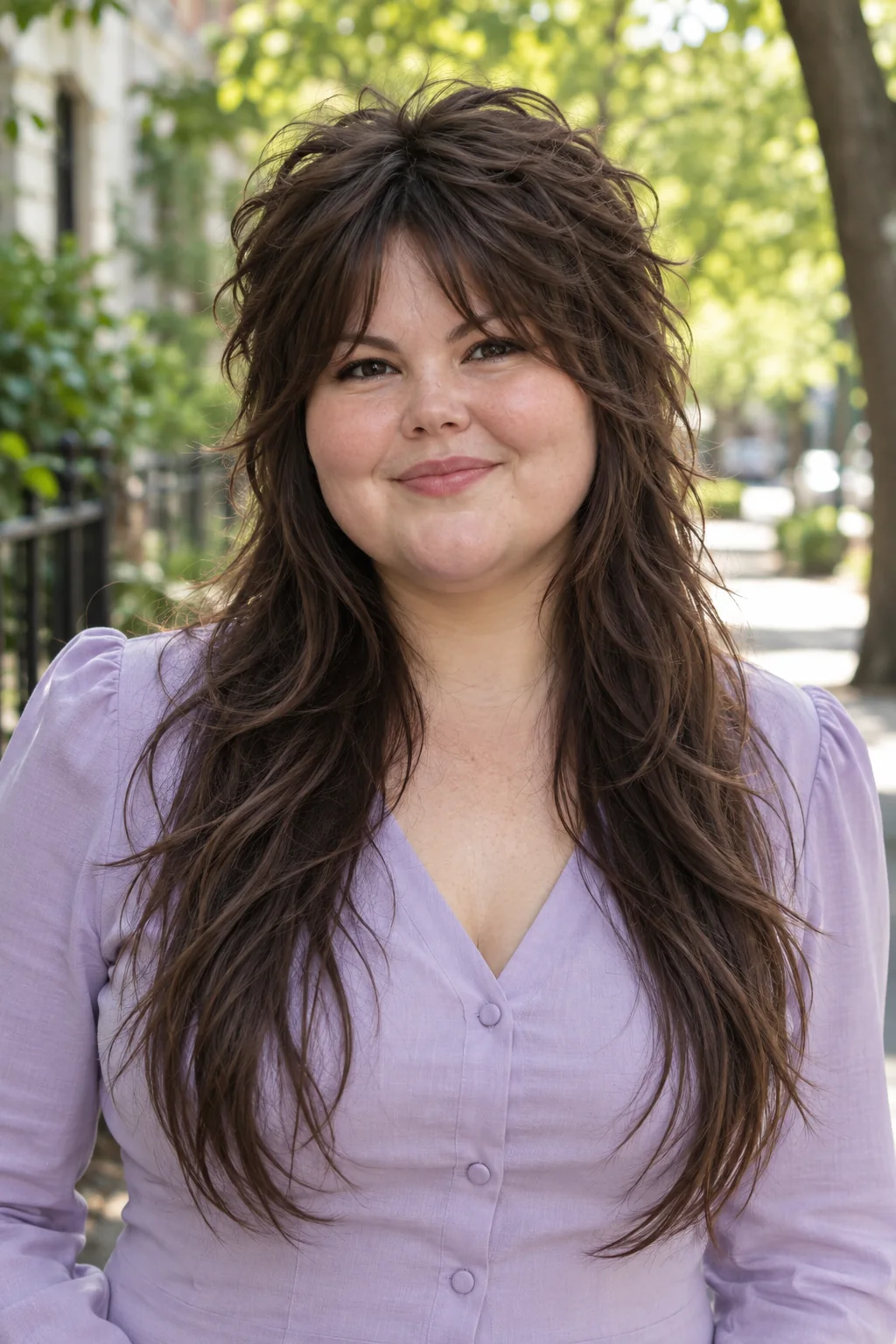
Lift travels upward through this brunette crown while the face-framing layers stay close beside the cheeks, giving long tapered ends a taller, narrower upper outline. That vertical emphasis can bring welcome structure when you prefer less width around the face, creating a poised, slightly dramatic confidence rather than the playful breadth of outward wings. It suits someone prepared to maintain root lift; naturally flat roots will not keep the photographed height from cutting alone. Request controlled side width and a lifted crown over long lengths, then dry the crown against its fall with a little mousse and avoid pushing all the cheek pieces outward.
Ask your stylist for: A long wolf with lift through the crown, close cheek-framing layers and controlled side width above a long tapered perimeter.
11. An Off-Center Fringe That Moves Across the Eyes
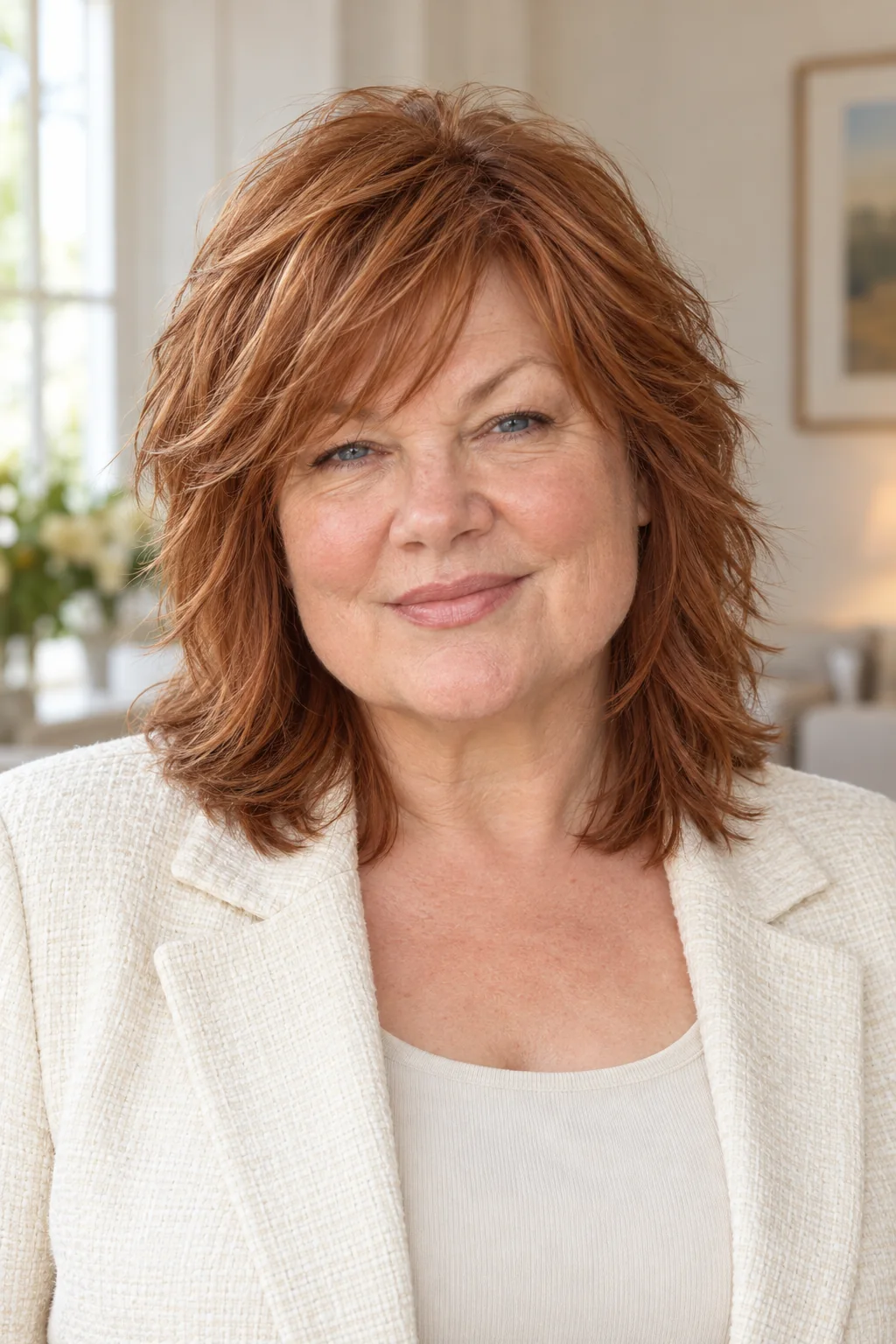
A softly diagonal copper fringe moves across the forehead while the rest of the medium wolf keeps a balanced crown and cheek-framing outline. That small directional change breaks up a perfectly symmetrical front and can make the expression feel relaxed and personal, with a confident sense that the haircut follows your hair rather than fighting it. It suits a mild directional hairline, but a strong lifting cowlick may need more length than this photograph suggests. Ask for a diagonal front following the roots without a deep whole-head side part, then reset only the damp fringe in its agreed direction and let the other layers settle naturally.
Ask your stylist for: A medium wolf with balanced crown graduation and a softly diagonal fringe following the front root direction, without a deep whole-head side part.
12. An Above-Brow Fringe Against a Textured Medium Wolf
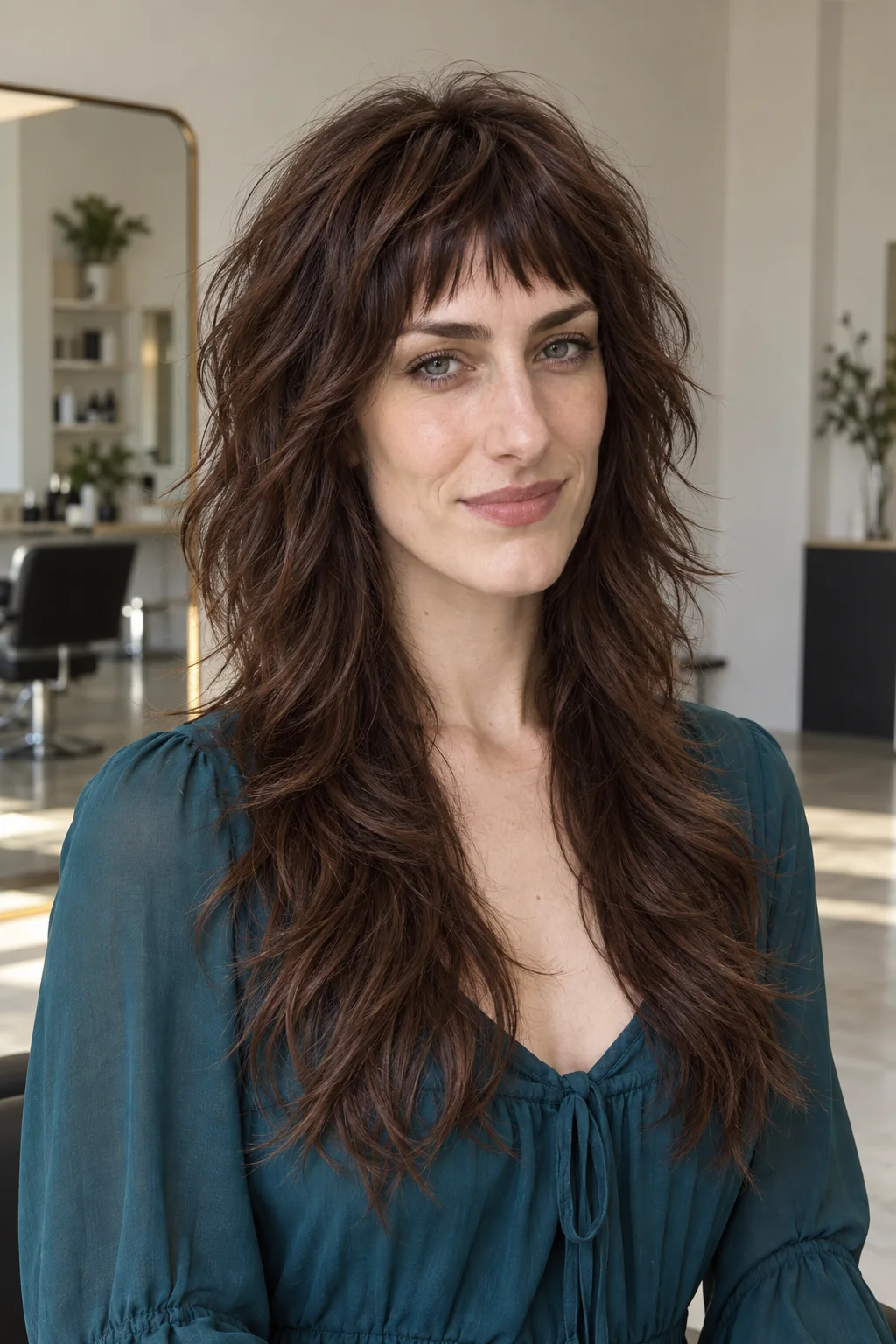
A broken above-brow fringe exposes the eyebrows against a textured chestnut crown and lighter shoulder-length ends, making the front-to-length contrast immediately visible. The small irregular edge brings the eyes forward and gives the whole wolf a spirited, creative confidence without relying on shaved sides or an extreme rear tail. That short front is a commitment: it cannot tuck away on awkward mornings. Request dry-checked above-brow length with connected shoulder layers, showing the stylist exactly how much forehead you want visible. Reset the roots while damp, then separate the fringe tips with a trace of flexible paste so the broken edge stays soft rather than spiky.
Ask your stylist for: A medium wolf with a broken above-brow fringe checked dry, a textured rounded crown and a connected shoulder-length perimeter.
Pause and notice: Choose where you want the volume: beside the cheeks or above the head. Those two photographs can ask very different things of the same hair.
13. Visible Layer Shelves Through Long Straight Hair
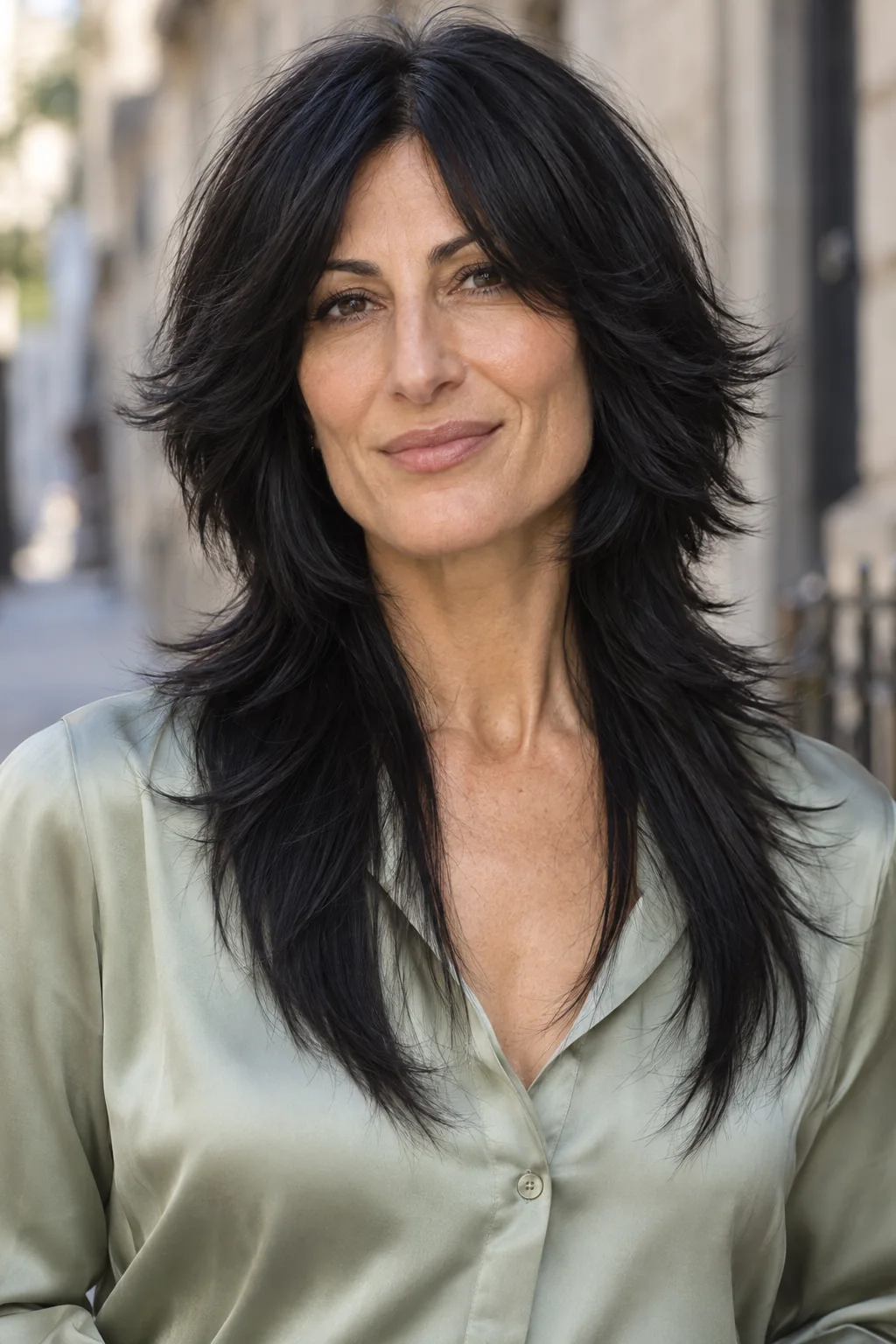
Distinct black layer shelves appear at the cheeks and shoulders beneath a rounded crown, with long straight ends tapering below rather than forming an isolated rear tail. Those visible steps give smooth hair a deliberate graphic structure and can feel bold and fashion-minded even when you wear the lengths straight. It suits someone who likes seeing the architecture of a haircut; the transitions will not look as seamless as a softly graduated version and need thoughtful trimming. Ask for visible but connected crown, cheek and shoulder transitions, then use a light smoothing finish on the surface while keeping the ends flexible rather than ironing every tier into one curtain.
Ask your stylist for: A long straight wolf with visible crown, cheek and shoulder layer transitions, connected sides and no isolated mullet tail.
14. Longer Crown Layers for a Calmer Wolf Outline
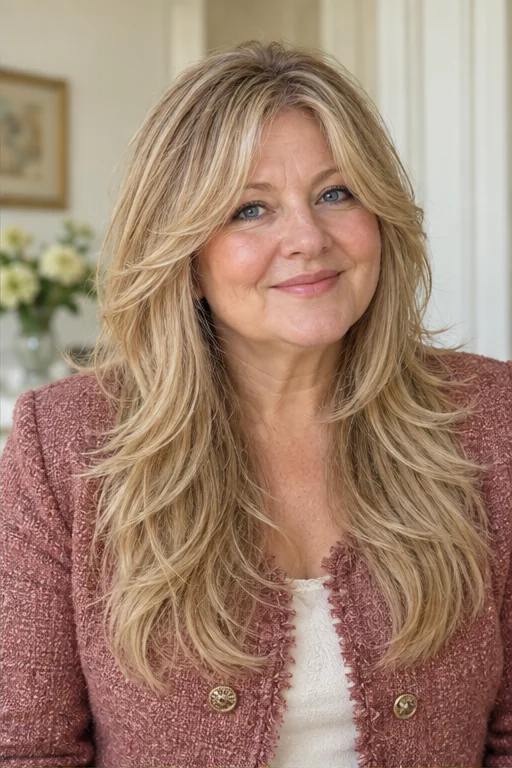
Longer honey-blonde crown layers create a low, rounded lift before flowing through the face frame into softly narrowed chest-length ends. Keeping the upper graduation longer reduces the fluffy cap effect, giving the haircut a calm, polished confidence that can feel comfortable in a more understated wardrobe. It suits someone who likes the wolf's movement but wants less daily root styling; the gentler contrast may read closer to a shag when it lies flat. Request longer crown layers and a gently narrowed perimeter, then encourage a small root lift with your fingers while drying rather than teasing the crown into a height you do not want.
Ask your stylist for: A soft long wolf with longer crown layers, low rounded lift, face-framing graduation and a gently narrowed perimeter.
15. A Long Wolf Planned Around a Low Ponytail
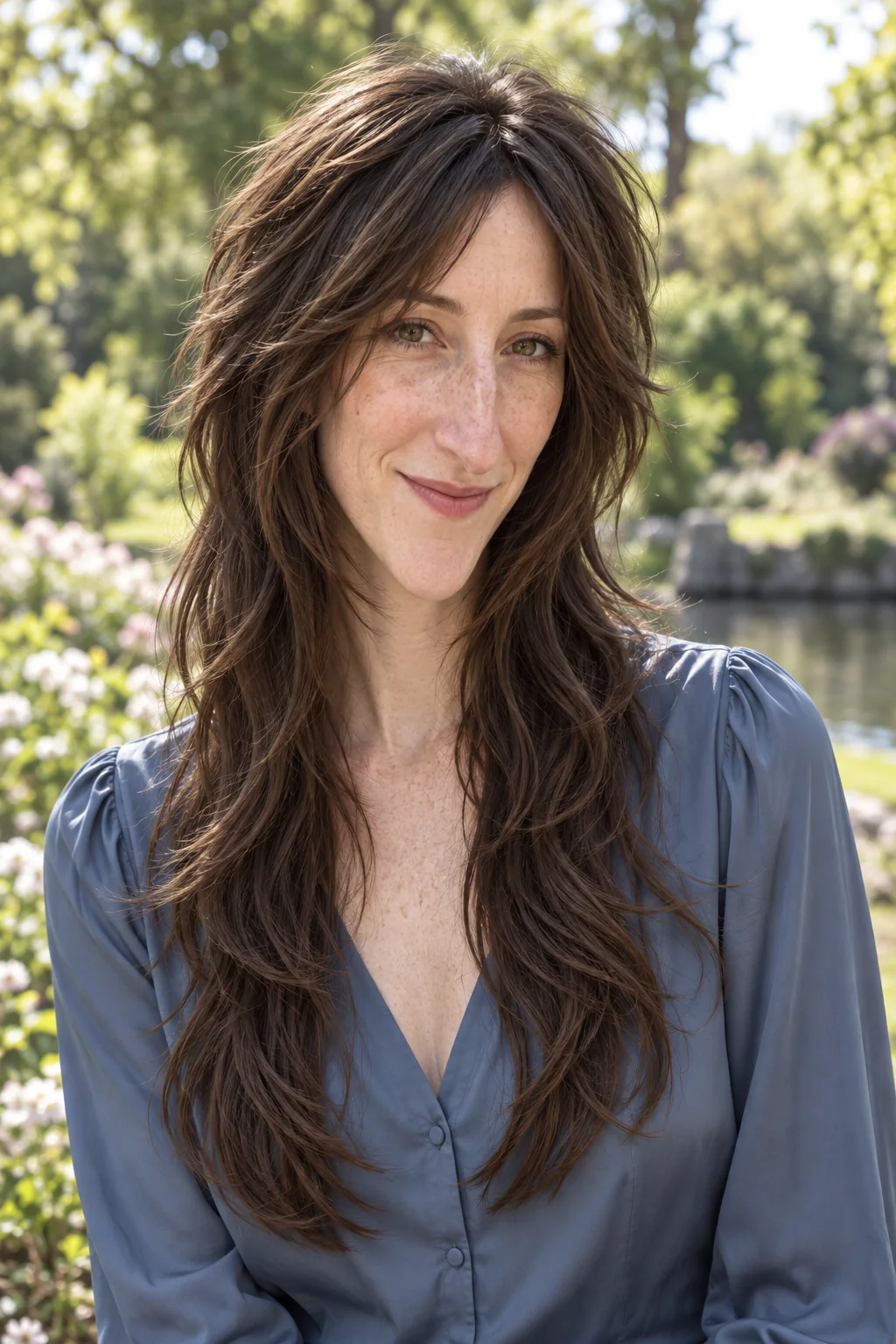
Try your usual low ponytail at the consultation before choosing the shortest layer. Here, chin-level brunette front pieces and moderate crown graduation sit above substantial long lengths, keeping the wolf soft around the face with a practical tie-back plan. Having that fallback can make an expressive haircut feel reassuringly wearable on busy days rather than like a styling obligation. A few crown pieces may still escape, so ask the stylist to demonstrate what will need pins or a headband and whether that feels acceptable to you. Keep elastics gentle and refresh the loose front instead of repeatedly tightening the ponytail to catch every short piece.
Ask your stylist for: A long wolf with moderate crown graduation, chin-length or longer front pieces and enough lower length for a low ponytail, demonstrated before cutting.
16. Long S-Waves With a Sweeping, Layered Front
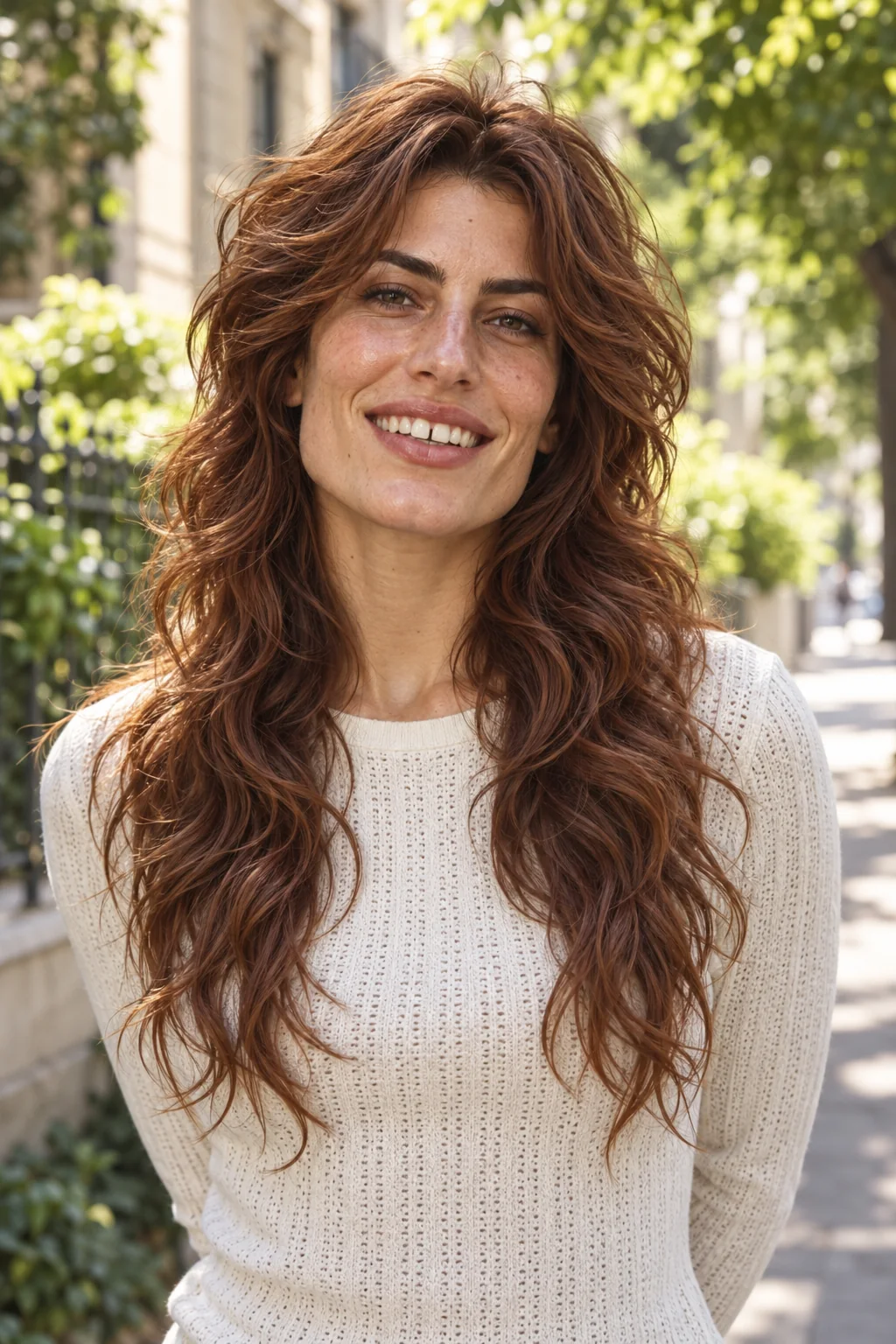
Broad auburn S-waves travel from a lifted crown through sweeping cheek-to-jaw pieces, then settle into long tapered lengths with a flowing rather than spiky finish. Following that larger bend can soften the outline around an angular jaw and gives the haircut a relaxed, romantic confidence while retaining the wolf's upper volume. It suits a natural broad wave or a routine that already includes setting the hair; fine pin-straight hair will need more styling to look like this. Request graduation that respects the wave spacing and retains lower weight, then scrunch lightly and avoid brushing repeatedly while the waves are setting.
Ask your stylist for: A long wavy wolf with broad S-wave movement, cheek-to-jaw front graduation and enough lower weight to preserve the wave pattern.
Pause and notice: A long tail does not make every layer long. Before saving a dramatic shape, imagine your usual ponytail, glasses and morning routine.
17. Tighter Shoulder-Length Curls With Stepped Graduation
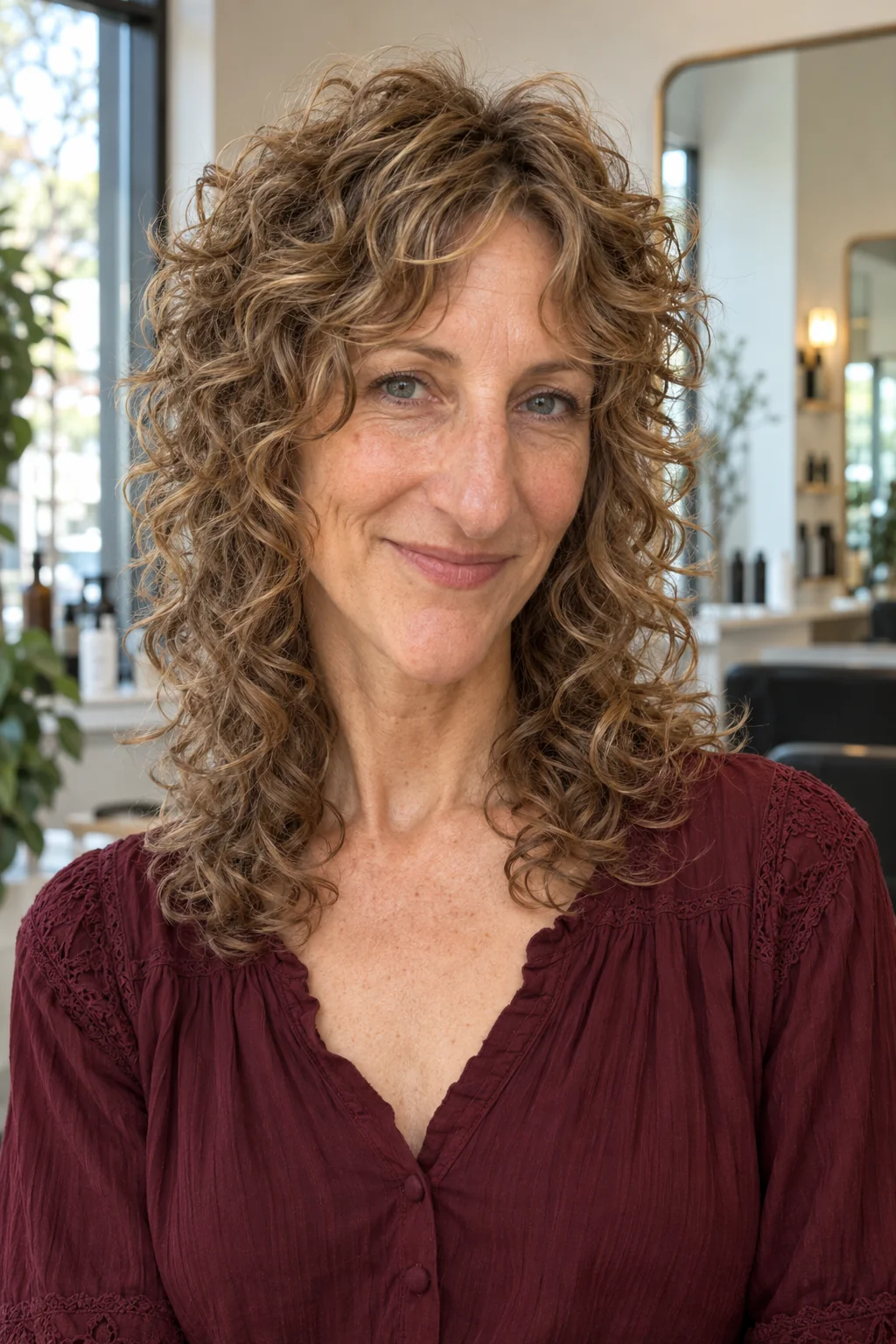
Tighter dark-blonde curl groups form a compact rounded crown, with visible cheek-to-shoulder steps giving the lower outline a narrower shape. Moving the fullness upward can make dense curls feel more balanced and deliberately playful, especially if a one-length perimeter makes all the volume collect around the shoulders. It suits a stylist familiar with your dry curl pattern and a routine that preserves definition; stretched wet lengths are a poor guide to the final landing points. Ask for shrinkage-aware crown and cheek steps with retained lower curls, then refresh disturbed groups individually rather than cutting them shorter simply because one curl behaves differently.
Ask your stylist for: A shoulder-length tight-curled wolf with dry-assessed crown and cheek steps, shrinkage allowance and a visibly retained lower curl outline.
18. A Short Jaw Frame Above an Extra-Long Tail
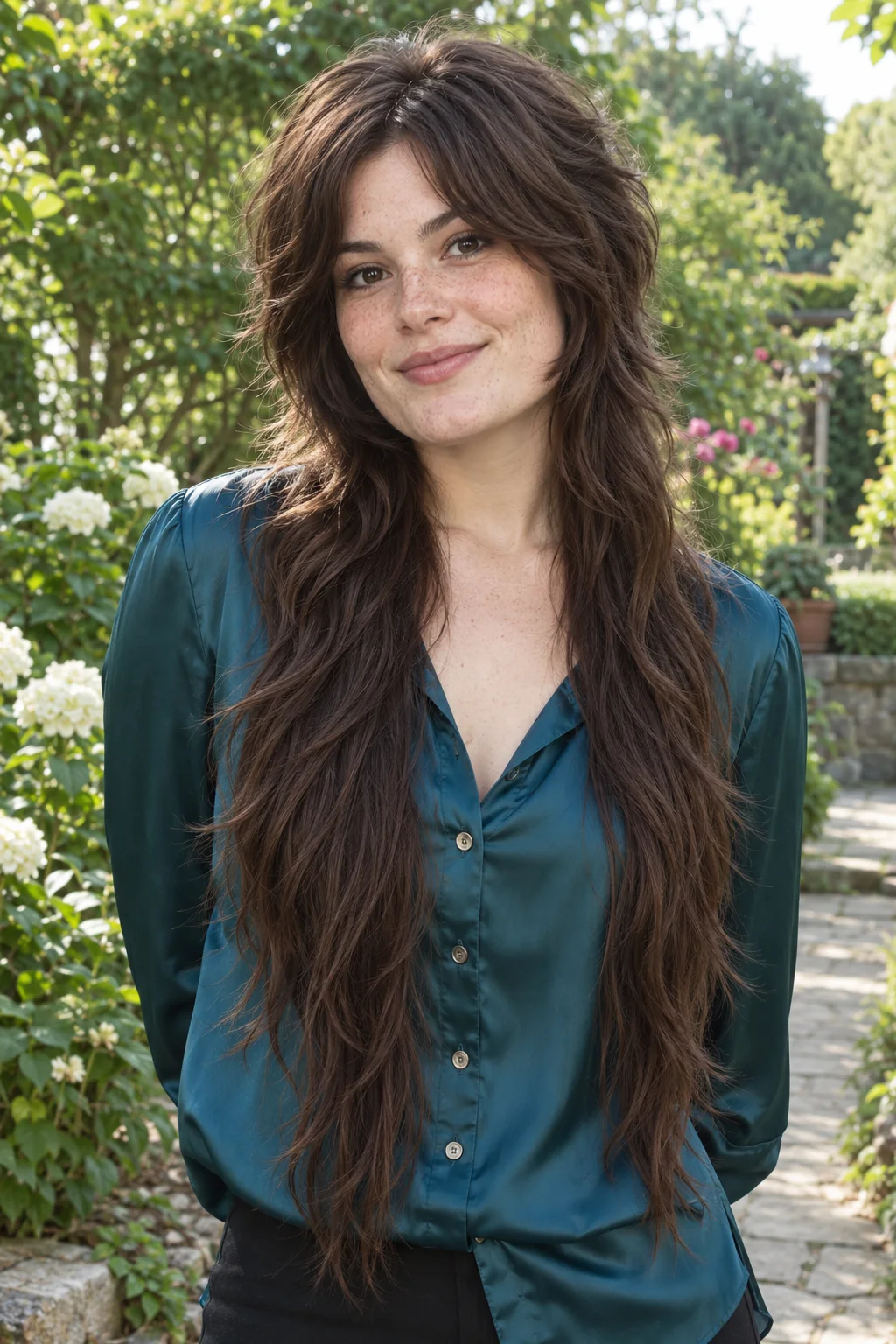
Jaw-level brunette pieces form a short frame around the face while extra-long tapered lengths continue below the chest under a rounded fluffy crown. That substantial front-to-back length difference makes retained long hair feel transformed and can bring a spirited confidence when you want a visible change without losing the longest part. It suits someone comfortable with front layers that will fall out of braids and buns; keeping a long tail does not mean every part remains tieable. Ask for jaw-level framing with connected longer sides rather than an isolated mullet tail, then condition the long ends while keeping the shorter crown light enough to move.
Ask your stylist for: An extra-long wolf with short jaw-level face-framing layers, a rounded crown and connected longer sides tapering below the chest.
19. A Rounded Full Fringe With a Feathered Long Outline
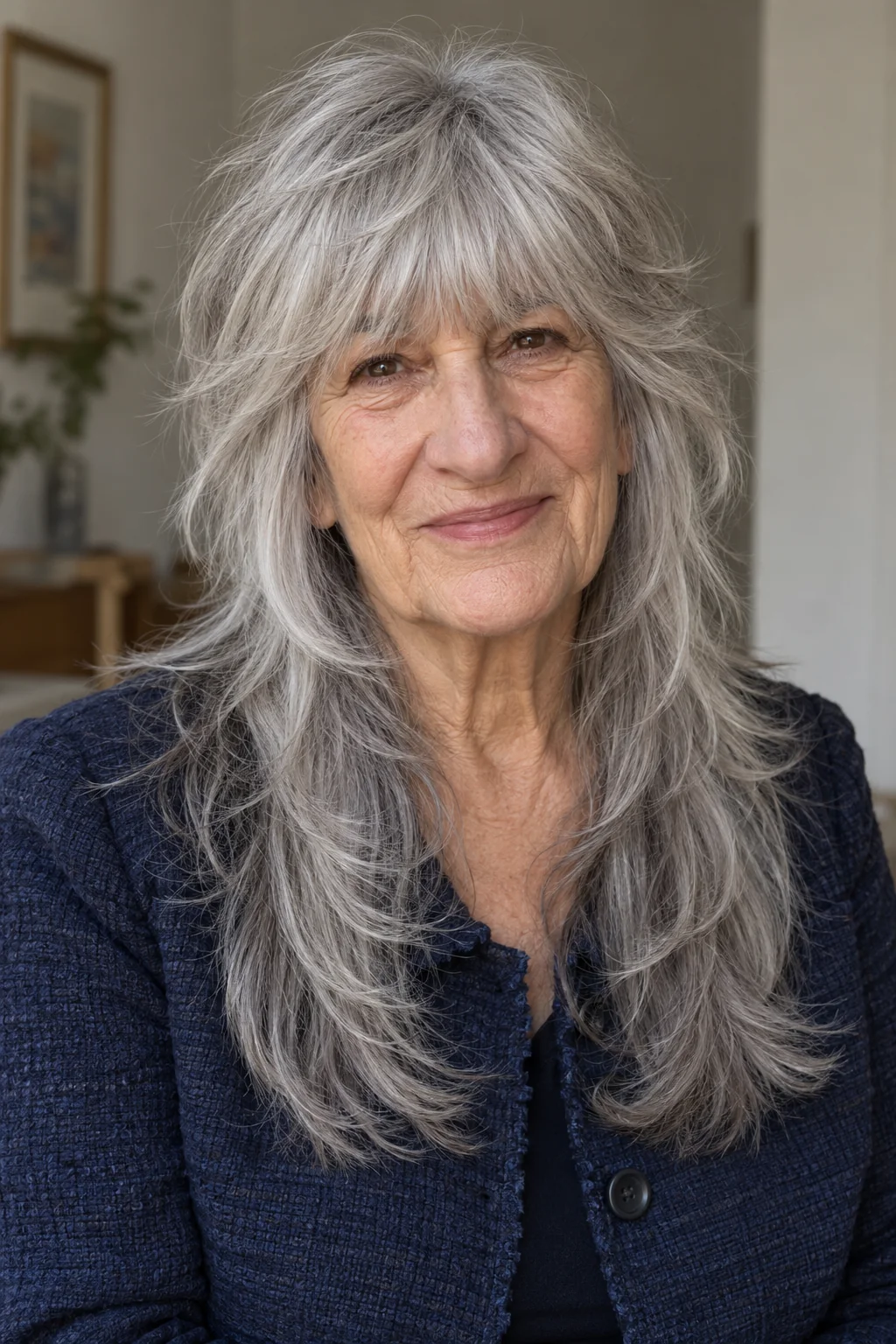
A full softly rounded silver fringe echoes the substantial curved crown, while the long lower lengths become feathered and narrower beneath it. The stronger forehead frame brings focus toward the eyes and gives the otherwise airy outline a composed, assured presence, making the wolf feel more polished than a scattered wispy front. It suits enough front density to support a full fringe and someone willing to reset its shape; width and fullness are harder to hide during grow-out. Request a rounded dry brow-length front with controlled lower feathering, then dry the fringe gently without rolling it into a rigid tube that changes the intended curve.
Ask your stylist for: A long wolf with a full softly rounded brow-length fringe, substantial curved crown and controlled feathering through the lower perimeter.
20. A Deep Side Part With Asymmetric Crown Volume
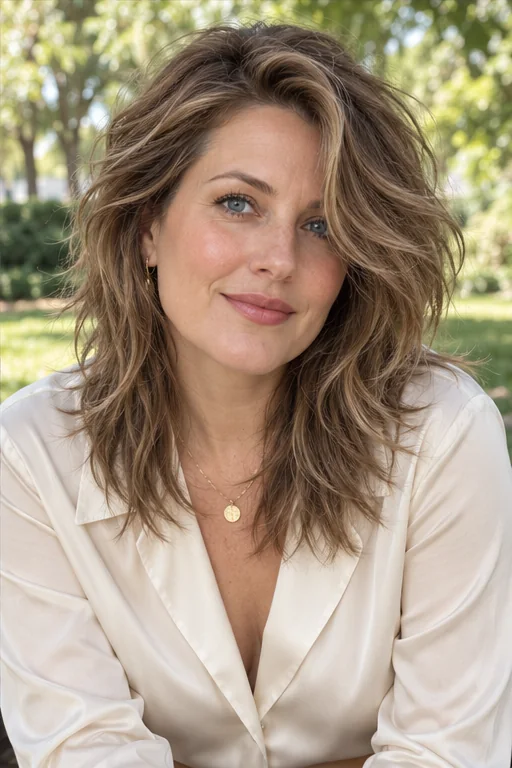
The whole part moves here, rather than just a few fringe pieces: dark-blonde crown volume shifts to one side above tapered collarbone ends. The long sweeping front gives the wolf an asymmetric, dressed-up impression that can feel confidently glamorous without a centered curtain or forward fringe. Wear your actual deep part to the appointment and ask for the crown and long front to be assessed there. Flipping it later may reveal an unexpected step or make one side feel heavy, so this is best for a consistent part. Lift the heavier root section while damp and keep the lower ends light, concentrating the drama where the silhouette needs it.
Ask your stylist for: A collarbone wolf cut assessed in a deep side part, with asymmetric crown lift, a long sweeping front and balanced tapered ends.
Before You Book the Appointment
A successful salon visit begins with the overall shape, construction and upkeep—not only the finished length. Use this quick reality check before choosing your final reference photograph.
- Signature: A fuller, shorter layered crown above a tapered longer perimeter.
- Choose first: Crown height, side width, fringe landing point and the density you want left at the ends.
- Texture: Straight hair shows layer steps; waves and curls change the dry outline and shrinkage.
- Daily effort: Some versions air-dry comfortably; photographed crown lift or feathering may need a dryer finish.
- Tie-back reality: Short crown and front pieces can escape a ponytail even when the lower hair stays long.
- Think twice if: Your ends are already sparse, you dislike loose face pieces or you need every layer to tie back.
Wolf cut, shag or mullet: compare the outline
Treat these names as overlapping salon language rather than fixed diagrams. A wolf cut usually emphasizes fluffy upper layers, cheek-framing graduation and a narrower lower outline. A shag tends to distribute the graduation more evenly; a mullet makes the shorter sides and longer nape especially obvious. Show front, side and back references and explain the proportions you like. If you mainly want a short shag or pronounced rear tail, the linked guides below are better starting points than asking for a wolf by name alone.
Match crown height and side width to your aim
Upward lift can create vertical emphasis, while outward cheekbone layers add width beside the face. Neither is automatically flattering for everyone in a face-shape category. Compare a narrow front, broad wings and a rounded fringe against your own features, glasses and preferred part. Your available density and growth pattern matter just as much: a layered crown cannot manufacture thicker hair, and a lifting cowlick may resist a short fringe.
What to ask for at the salon
Bring references with a texture close to yours. Point to the shortest crown layer, the front landing point, the widest part of the silhouette and the amount of density remaining at the bottom. Describe your usual part, drying routine and tie-back needs, then ask what the cut will look like without a blowout. Request a conservative first pass if you are unsure about short crown layers. With waves or curls, agree on the resting dry shape and shrinkage allowance before refinement.
Style the crown and ends as different sections
The crown may need light root support while the longer ends need softness. For straight hair, use heat protection and a controlled dryer finish if you want outward feathering. For waves, scrunch a lightweight foam through damp hair and avoid disturbing the pattern while it sets. For curls, use your usual curl product and gentle diffusing or air-drying; the photographed outline depends on the dry groups. Start with less product and add only where needed, because heavy coating can flatten the crown or make tapered ends look stringy.
Maintenance and growing out the short layers
Arrange a trim when the crown-to-perimeter balance stops working for you, rather than following a universal timetable. Fine ends may need a density-preserving approach; thick hair may need targeted weight control rather than more layers everywhere. To grow out the wolf, tell the stylist which short sections you want to lengthen and avoid automatically recutting the crown. Light perimeter shaping can keep the outline intentional as upper layers catch up, and a longer curtain or jaw frame can make the transition easier.
Can a wolf cut work without bangs or in a ponytail?
Yes, an open forehead can work when the crown and face frame still create the layered silhouette. Ask for a jaw-length or longer front if tucking matters, and check that the shortest pieces reach the place where you usually secure a ponytail. Long lower hair does not guarantee that the crown will stay tied back. Try a low tie-back at the consultation and decide whether a few loose pieces, pins or a headband feel acceptable in your real routine.
The Takeaway
Save the wolf that has the right upper shape for you, then check its shortest layers against your everyday habits. A softer crown, fuller perimeter or longer front is a useful choice when it makes the haircut easier to enjoy. The strongest reference is the one that shows the proportions you want clearly enough for your stylist to adapt them to your actual texture.
More Hair Inspiration
- Short shag haircuts — Compare shorter, more evenly graduated textured silhouettes.
- Modern mullet haircuts — Explore cuts that make the longer rear profile the central feature.
- Long layers haircuts — Consider gentler movement when a short layered crown feels too bold.