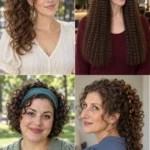
Sometimes a few light pieces across the forehead are enough to make your familiar haircut feel new. Wispy bangs can bring attention to your eyes, soften the front of a bob or make a ponytail feel more dressed, while keeping some forehead visible. The useful question is how much hair you want in that fringe—and how you actually want to wear it on an ordinary morning.

Wispy bangs are a light, separated fringe with visible gaps between strands rather than a solid wall of hair. The effect can come from a shallow section, carefully softened ends or natural texture; it should not require thinning already sparse hair indiscriminately. Wispy describes density and finish, so it can overlap with other shapes: curtains describe a parted sweep, bottleneck bangs a shorter center that curves into longer sides, and Birkin bangs an irregular, often brow-grazing retro fringe. These salon names vary, so show the shape and explain how much forehead you want visible.
Find the one that feels like you: Start with the first look and let the photographs lead. Each style explains how the shape affects your features, the mood it creates and the exact words to take to your stylist.
1. A Narrow Brow Fringe for a Gentle First Step

A narrow chestnut fringe sits over the center of the brows, leaving the temples open beside smooth collarbone hair. That small section brings attention toward the eyes while keeping most of the original haircut intact, which can make a first fringe feel quietly exciting rather than overwhelming. It suits someone who wants a visible change but dislikes a lot of hair across the forehead. Ask for a shallow, narrow brow-length section with separated ends and long temples; have the stylist check where it falls without pulling it taut. Reset the roots while damp, since a little section can still split around a cowlick.
Ask your stylist for: A shallow, narrow brow-length fringe with separated ends and the temples left long.
2. Wider Coverage With Air Between Pieces

Here the light blonde fringe reaches across both brows, but clear spaces between its pieces keep the forehead visible. The wider spread gives the front a more complete frame and a polished, intentional feeling, without the visual weight of a dense blunt fringe. Consider it if a tiny central section looks lost against your hair, while remembering that extra width commits more front hair to the cut. Show the full spread to your stylist and request a shallow, wider brow-level section with separated ends. Use a small brush to settle the roots, then loosen the pieces with your fingers instead of coating the whole fringe in wax.
Ask your stylist for: A wider brow-level fringe with a shallow section and clearly separated ends, rather than a heavy blunt line.
3. A Soft Arch Around the Brows
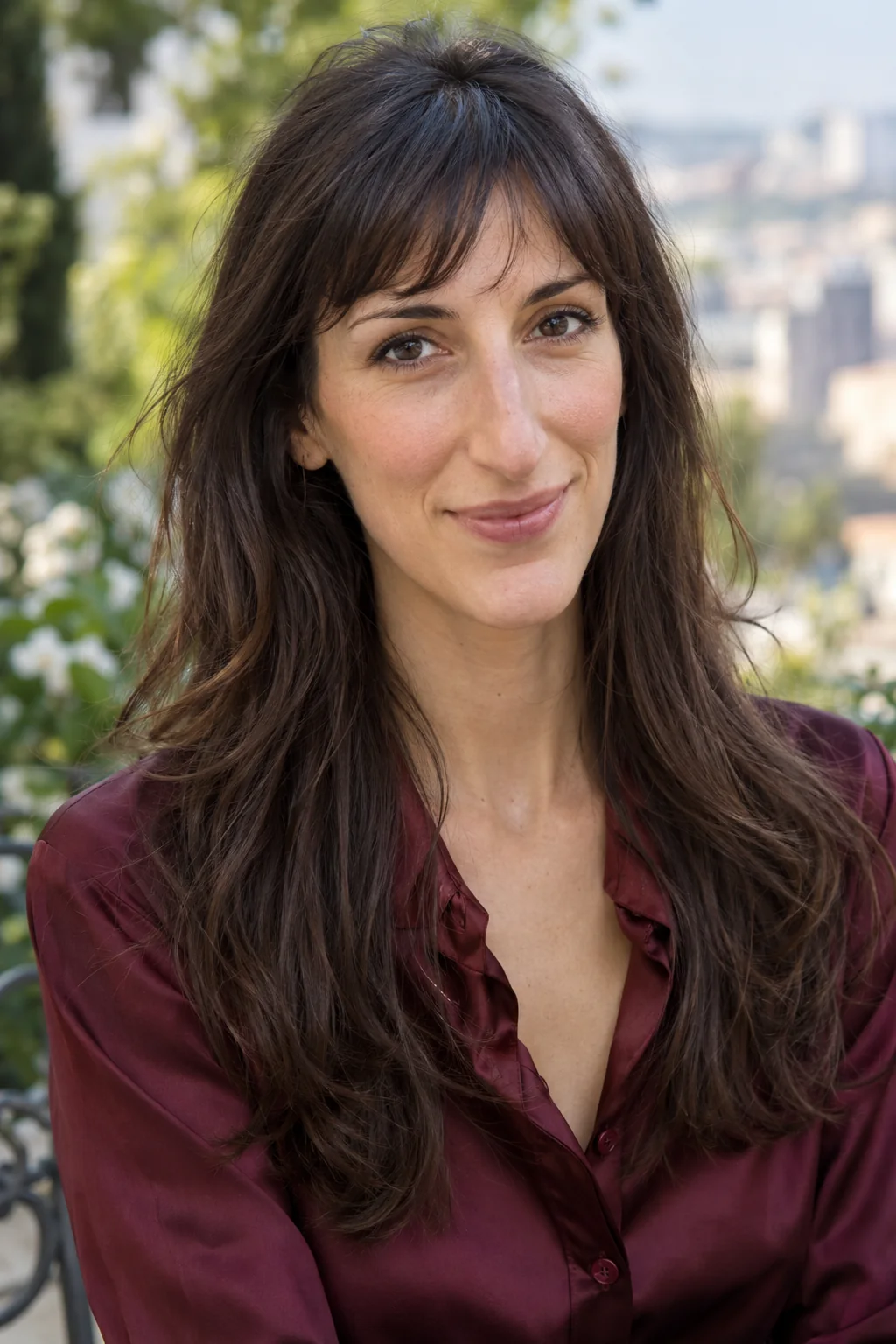
The dark fringe follows a gentle arch, resting a little higher centrally and dropping softly toward the outer brows. That curved edge draws attention to the eyes without placing one strong straight line across the face, giving long hair a tender, romantic front. It is useful when you like a fringe worn forward but want a softer outline than a level edge. Ask for a light brow fringe with a subtle central arch and gently longer corners, keeping the side extensions modest rather than turning them into curtains. Check the dry shape before more length is removed, and avoid an oversized round brush that can make the arch balloon.
Ask your stylist for: A light brow fringe with a subtle shorter central arch and gently longer outer corners, without deep curtain wings.
4. Fine Strands Against a Full, Straight Bob
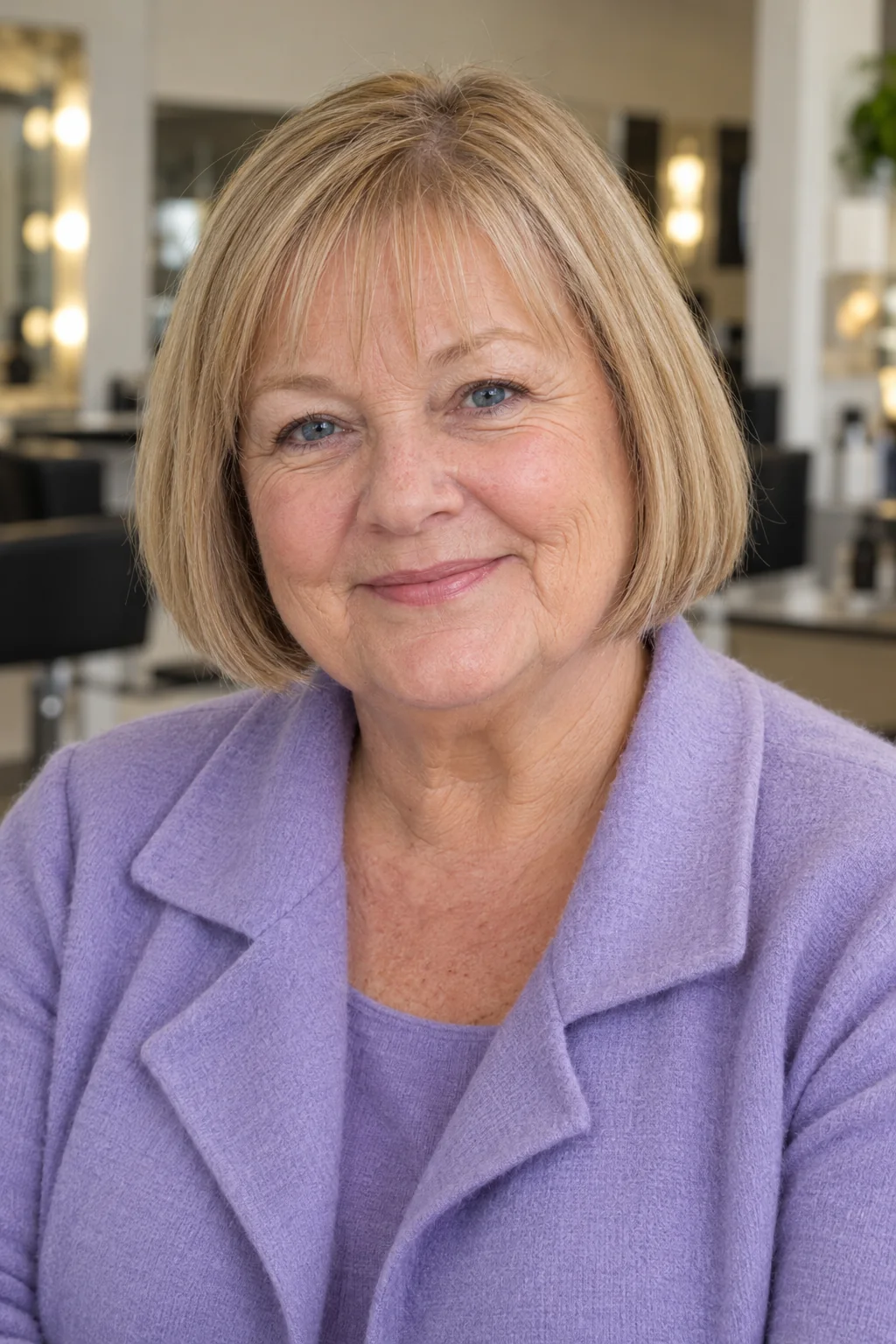
Fine dark-blonde hair keeps a clean, full jaw-length bob while a very shallow fringe adds a few separated lines over the forehead. The contrast lets the bottom edge look substantial and the front feel delicate, creating a neat, quietly modern impression for work or everyday errands. This is a useful reference when preserving density matters more than making the fringe wide. Ask for a full jaw-length perimeter, a very shallow straight fringe section and minimal end refinement; additional thinning may only expose more scalp. Keep conditioner away from the fringe roots and use a light damp reset rather than loading fine strands with styling cream.
Ask your stylist for: A full jaw-length perimeter with a very shallow straight fringe section and minimal end refinement.
Pause and notice: Cover the hair color and compare the amount of visible forehead. Is it the tiny section, wider spread or edge shape that you like?
5. A Light Diagonal Sweep From a Side Part
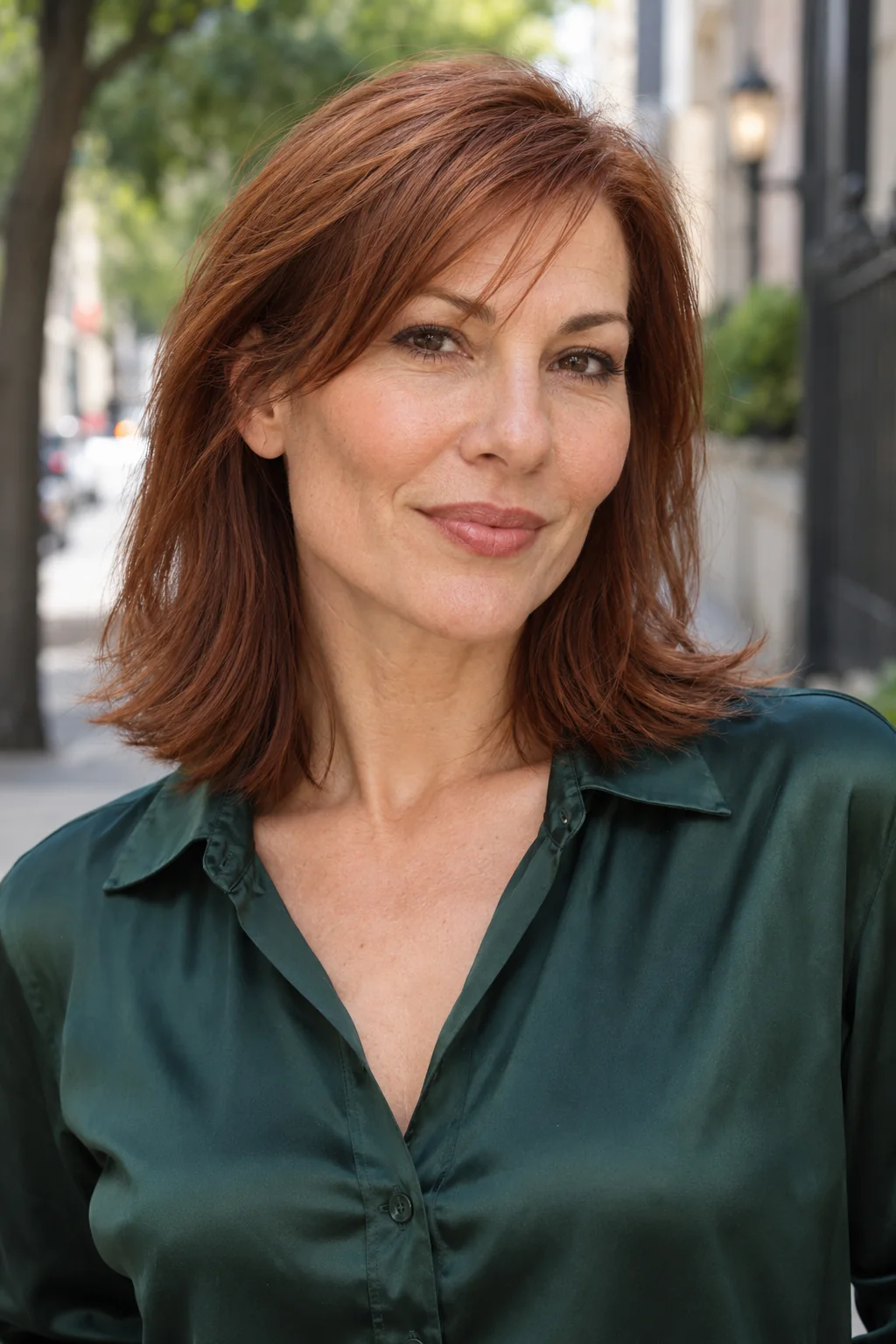
A light auburn fringe travels diagonally from a side part, ending near the opposite outer brow rather than forming a thick sweeping panel. The slanted line opens one side of the forehead and brings a little movement to shoulder-length hair, which can feel confidently dressed without a full blowout. It suits a consistent side part better than a habit of flipping the hair in every direction. Wear that part to the consultation and ask for a light diagonal fringe with separated tips and an outer-brow landing point. Dry the roots in the intended direction while damp; cutting it centered and forcing it sideways can leave an awkward short corner.
Ask your stylist for: A light diagonal fringe cut in my usual side part, with the longer end reaching the outer brow.
6. An Off-Center Opening With Fringe on Both Sides

A small opening sits just off center in this sandy-blonde brow fringe, with short airy pieces remaining on both sides. Unlike a broad curtain sweep, the forehead is still lightly framed across most of its width, giving long hair an easy, relaxed impression. It can be a comfortable compromise if a fully closed fringe feels too formal, although the opening should cooperate with your natural growth. Ask for a separated brow fringe assessed with a small off-center opening, rather than cutting deep long wings. Set that opening gently with your fingers as the roots dry, and let the stylist see any habitual split before deciding the shortest length.
Ask your stylist for: A separated brow fringe with a small off-center opening, retaining short pieces on both sides rather than long curtain wings.
7. Longer Corners That Meet the Cheek Frame

Fine corner pieces lengthen from a light chestnut brow fringe into the cheekbone frame, making the front transition feel continuous. The slim extensions soften the change between short fringe and medium layers, so the haircut can feel romantically put together even when the lengths are loosely tied back. Choose this if isolated short bangs look abrupt to you, while allowing for corner pieces that may escape a ponytail. Ask for airy brow-length center strands with slender longer corners connecting to the cheekbone frame, not a dense bottleneck curve. Style those corners separately from the center so they sweep away without dragging every short piece into a part.
Ask your stylist for: Light brow-length center pieces with slender longer corners connecting to my cheekbone frame; keep visible forehead through the center.
8. A Glasses-Friendly Fringe With Clear Dry Tips

A light silver fringe sits above the top rim of rounded glasses, leaving the eyes and frames easy to see beside a chin-length bob. The clear space can make the whole front look considered and bright, helping you feel comfortably polished without repeatedly pushing hair off the lenses. This works best when the dry resting length is planned around your actual frames rather than a photograph of someone else's. Bring them along and request separated tips that clear the top rim, with the outer corners checked against the arms. A quick damp reset can restore the gap, but growth may require a fringe trim before the bob itself needs attention.
Ask your stylist for: A light separated fringe whose dry tips clear my glasses, with outer corners checked against the frame arms.
Pause and notice: Bring your glasses and wear your normal part. Those two everyday details can change the best fringe length more than a trend name.
9. Loose Waves With a Softly Bent Fringe
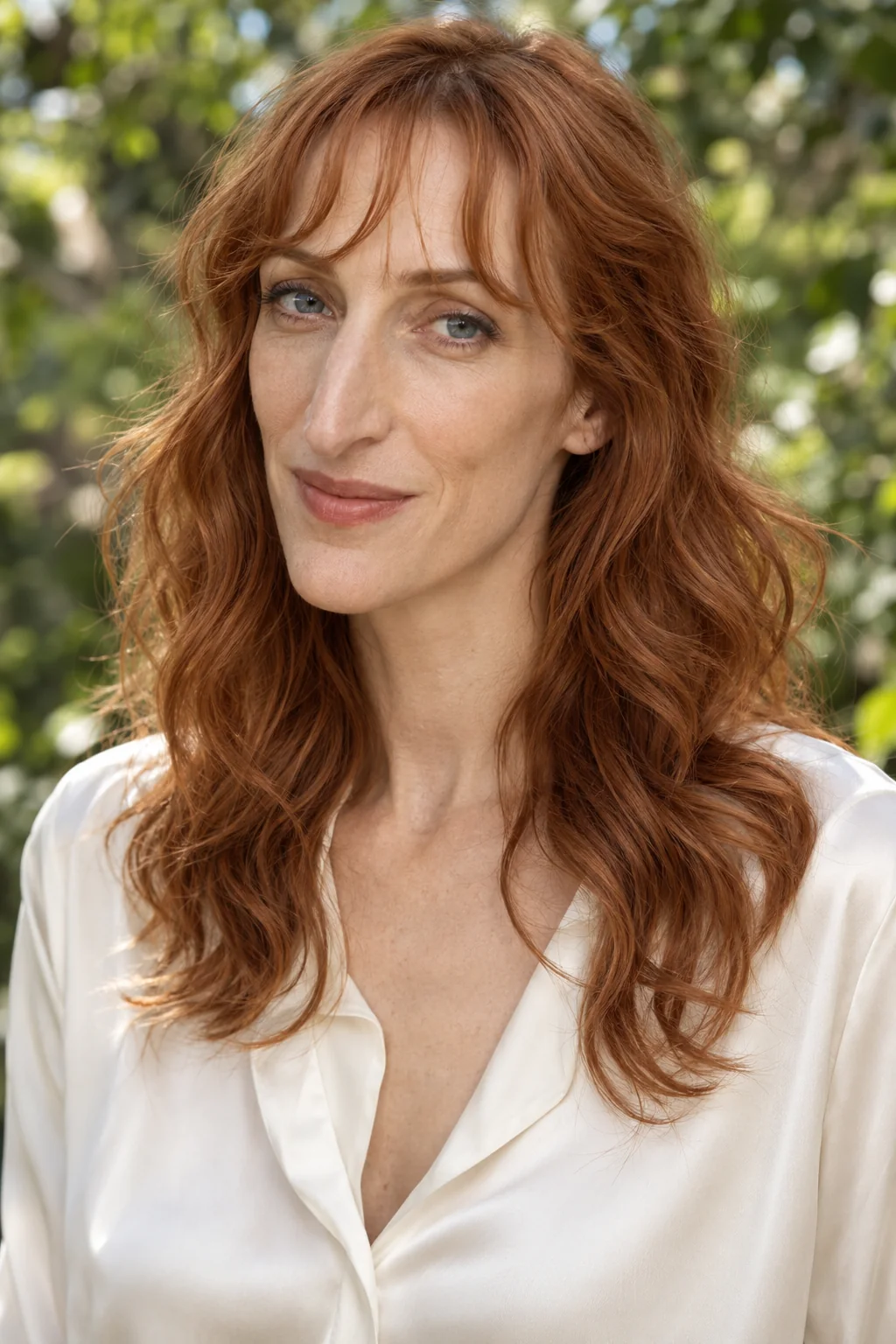
Copper collarbone waves continue into a sparse fringe with small, natural bends rather than a perfectly flat finish. Keeping that movement connects the front to the lengths and gives the haircut a relaxed, playful mood, especially if straightening just the bangs feels like an extra chore. It suits a gentle wave pattern that settles predictably, though humidity and the hairline may change the outline. Ask for a sparse fringe assessed at its dry wavy length, with enough allowance for the bend to rise. Use a little of your usual light wave product, then leave the pieces alone as they set instead of repeatedly combing the shape out.
Ask your stylist for: A sparse fringe planned at its dry wavy length, with a gentle bend and softly refined ends.
10. A Few Loose Curls Across an Open Forehead
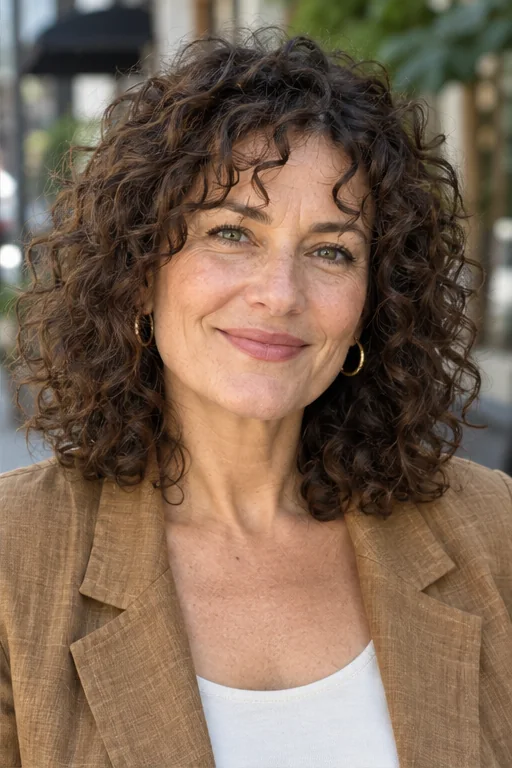
A few loose dark curls fall over the brows while generous gaps keep the forehead open above shoulder-length curls. Those distinct groups echo the rest of the texture and bring a lively, softly expressive feeling to the face, without needing every front curl shortened. It is a useful option if you want a curly fringe but prefer a small commitment in section depth. Ask for a shallow fringe with a few separated groups, assessed dry at brow level with your normal shrinkage allowance. Define it with your usual curl product and check the resting shape before trimming; stretching a curl straight can hide how short it will spring afterward.
Ask your stylist for: A shallow curly fringe with a few separated groups, assessed dry at brow level with shrinkage allowance.
11. Short Separated Pieces Above the Brows

Short black pieces stop clearly above the brows, revealing the eyebrow shape and leaving a wide open space around the eyes. The light section makes this a playful, graphic change against chin-length hair, ideal if you want the front to feel deliberate and spirited. It overlaps with micro bangs in length, but the see-through density is the detail to notice here; a dense short fringe would have a different visual weight. Request a shallow above-brow section with separated soft tips and a conservative first pass. Short pieces are difficult to tuck away, so discuss cowlicks and your comfort with the exposed forehead before committing to the final edge.
Ask your stylist for: A short shallow fringe above the brows, with separated soft tips rather than a thick blunt micro-fringe.
12. Long Eye-Skimming Pieces With an Open Center
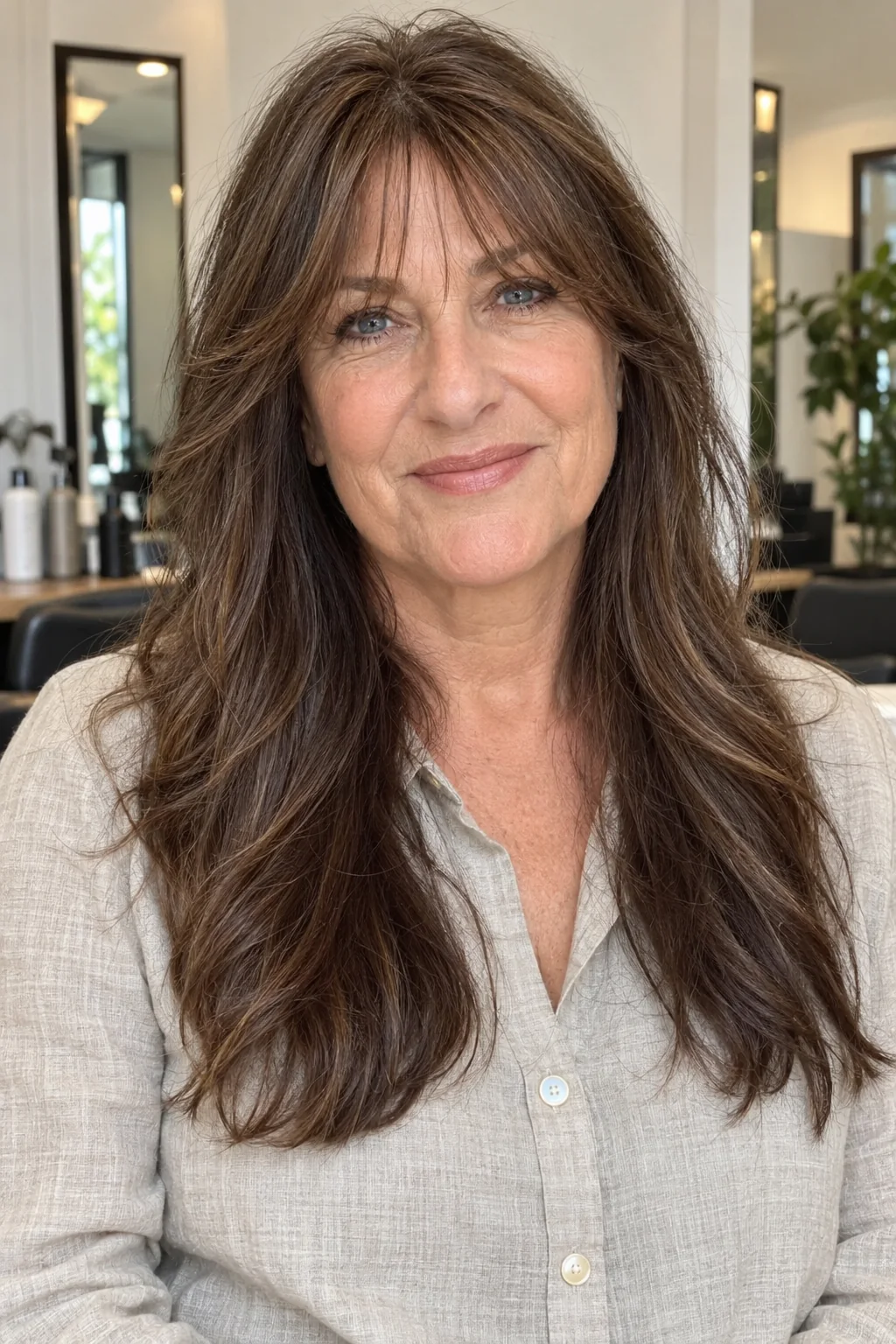
Long brunette fringe pieces skim near the eyes, with a narrow central gap stopping the front from becoming a solid screen. The longer edge adds a romantic, slightly dramatic softness to otherwise simple long hair, which can feel glamorous when you have time to arrange it. Choose it only if you enjoy a little fringe styling and tolerate pieces moving near your lashes; it is not automatically the easiest everyday option. Ask for long light pieces with a narrow opening and the dry tips checked for comfort. Direct the outer pieces gently away from the eyes and plan regular refinement rather than waiting until the entire fringe obscures your view.
Ask your stylist for: Long light fringe pieces with a narrow central opening and outer tips skimming the eyes, checked for everyday comfort.
Pause and notice: Imagine this fringe after a windy walk or a rushed morning. Choose the amount of resetting that feels reasonable for you.
13. A Level Outline Broken Into Fine Pieces

The espresso fringe has a calm level outline at the brows, yet fine gaps keep it from reading as a heavy blunt block. That combination brings a tidy, professional frame to a smooth lob, giving you a sense of polish without a dramatically jagged or curved edge. It suits someone who likes orderly shapes and is willing to settle the roots, rather than expecting tousled hair to hold a precise line. Ask for a light level brow fringe with fine separated tips and minimal length variation. Wrap-dry gently from side to side, then let it fall forward; too much round-brush lift can turn that quiet line into a curved shelf.
Ask your stylist for: A light level brow fringe with fine separated tips, preserving a calm overall line instead of strongly uneven lengths.
14. A Feather-Light Fringe on a Long Pixie

A feather-light ash-blonde fringe falls forward from a long pixie, while longer temple pieces sit beside a compact tapered nape. The airy front softens the cropped outline and gives the eyes a gentle frame, making the short cut feel confidently expressive without a thick sweeping forelock. It is useful if you enjoy a compact haircut but want some softness at the forehead, with the understanding that short front pieces have few tie-back options. Ask for a light forward fringe, retained temple length and enough front length to refine the tips softly. Work a tiny amount of flexible product through the ends, keeping the roots free to avoid a stiff, spiky finish.
Ask your stylist for: A long pixie with a light forward fringe, longer temple pieces and enough front length to refine the ends softly.
15. A Tapered Diagonal Edge With a Clear Short Corner
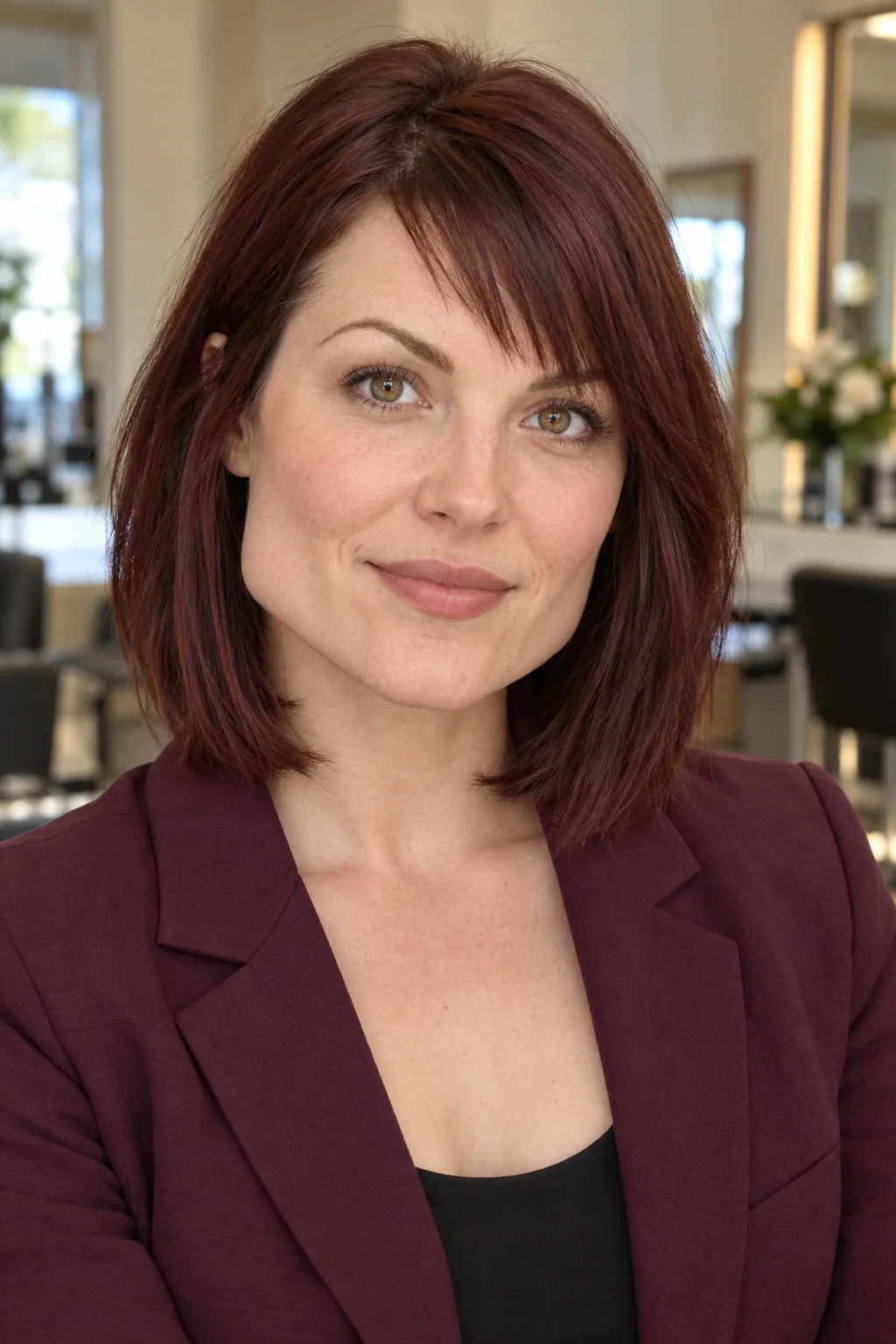
This sparse auburn fringe is cut on a diagonal, from a visible short corner above one brow toward longer pieces at the opposite outer brow. The edge itself creates asymmetry, adding a quietly bold, artistic mood to a simple lob and keeping one eyebrow more exposed. Choose it if you like an intentional uneven outline, rather than merely wanting to brush a level fringe sideways occasionally. Ask for a sparse diagonal edge assessed in your normal part, and point out the shortest corner before any cutting starts. Keep the finish loose with a light damp reset; shifting the part can reveal that corner differently, so predictability matters here.
Ask your stylist for: A sparse diagonal fringe edge, shorter above one brow and progressively longer toward the other outer brow, assessed in my normal part.
16. Tighter Curls With Space Between the Fringe Groups
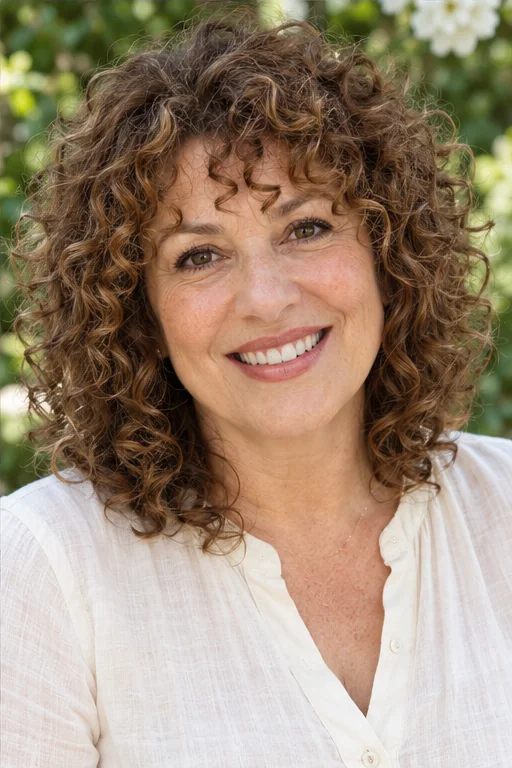
Small warm-brown curls form a shallow fringe with visible gaps between the dry groups, above a rounded shoulder-length curl outline. That spacing keeps the front lively and open while the tighter texture supplies its own bounce, helping the haircut feel cheerful and naturally expressive. It suits someone comfortable defining a few front curls, although their resting height can change with drying method and weather. Ask for a shallow curly section shaped around separated dry groups, leaving enough length for your normal shrinkage. Use your established curl routine and avoid thinning through the groups simply to create gaps; section choice and careful dry refinement are more useful starting points.
Ask your stylist for: A shallow tight-curly fringe with separated dry groups and visible gaps, leaving enough length for my usual shrinkage.
Before You Book the Appointment
A successful salon visit begins with the overall shape, construction and upkeep—not only the finished length. Use this quick reality check before choosing your final reference photograph.
- Signature: Separated strands and visible forehead between pieces.
- Choose first: Section width and depth, dry landing point, edge shape and your usual part.
- Fine hair: Start with a conservative section so the longer hair keeps its density.
- Texture: Waves and curls change the resting length; assess the fringe dry.
- Daily reality: A light fringe may still need a quick damp reset and regular trims.
- Glasses: Check dry tips against your actual frames before the final refinement.
Choose section depth before asking for thinning
A shallow fringe takes less hair from the top, while a deeper section brings more strands forward. Those choices affect both forehead coverage and how full the remaining front lengths look. If your hair is fine or the hairline is sparse, ask the stylist to show the proposed section before cutting. Wispy does not mean every hair type needs a razor or thinning shears: excessive removal can leave ends looking stringy and make an already small section harder to arrange.
Match the dry shape to your hairline and texture
Show your usual part and let the stylist see the fringe roots without a carefully arranged finish. A cowlick can lift a short corner or reopen a gap, and waves or curls can shorten visibly as they dry. Compare references with a texture close to yours. There is no single fringe that suits every face-shape category; choose how much forehead you want visible, where the eye is drawn and whether the shape works with your glasses and growth pattern.
What to ask for at the salon
Bring a clear front reference and explain the section width, dry landing point, amount of visible forehead and edge you like. Say whether you want a level line, curve, diagonal or small opening, and tell the stylist how much morning styling you will actually do. Start conservatively if this is your first fringe. Ask to see the dry resting shape before further refinement, particularly with curls, glasses or a lifting hairline.
A quick styling routine for separated pieces
Reset the fringe while the roots are damp rather than trying to force a dried-in bend into place. Straight hair may benefit from gentle side-to-side wrap drying before it falls forward; waves and curls need their usual pattern respected. Use heat protection when applying heat and keep product light. A small amount on the fingertips can separate the ends, but heavy oil or cream may clump the whole section together and flatten the roots. The photographed finish is a reference, not a promise of air-drying results.
Trims, washing and growing the fringe out
Book a fringe trim when the dry tips stop landing comfortably, which may happen before the rest of the haircut needs attention. Ask your stylist about a quick front-only refresh between full washes if the fringe gets oily sooner than the lengths. For grow-out, stop automatically recutting the shortest pieces and discuss gentle blending as they lengthen. Small clips or a longer side direction can help in the awkward stage; a short narrow fringe still needs time before it can reliably tuck behind an ear.
Are wispy bangs easier than curtain bangs?
Sometimes a small section is quick to reset, but light density does not guarantee low maintenance. Wispy pieces can split, lift or clump at the hairline; curtain bangs need enough length and directional styling for their sweep. If you want to tuck the front away often, a longer curtain or face frame may suit you better. If you want light forward coverage, a conservative wispy section is a clearer starting point. Discuss the dry result with your stylist rather than choosing from the name alone.
The Takeaway
Save the fringe whose section, edge and texture feel right for your everyday life. Then point out its shortest pieces and the gaps you want to keep when you speak to your stylist. A small, carefully planned change can give you the freshness you want while leaving room to adjust the shape after you have lived with it.
More Hair Inspiration
- Birkin bangs — Compare an irregular, brow-grazing retro fringe.
- Curtain bangs haircuts — Explore a longer parted sweep if tucking matters.
- Bottleneck bangs — Compare a more pronounced shorter-center curved shape.