The most liberating short haircut is not necessarily the shortest one. It is the shape that behaves predictably on an ordinary morning, works with the hair you have now and still makes you feel polished when you have better things to do than wrestle with a round brush.
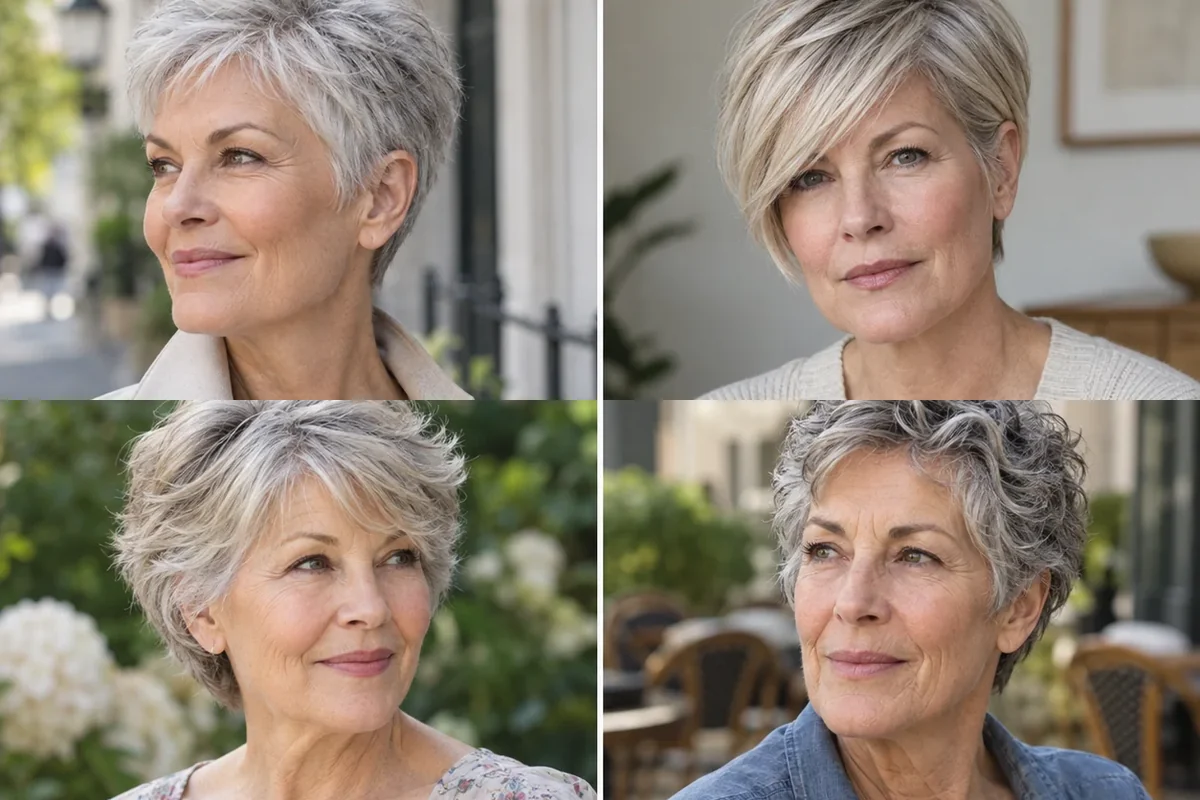
A low-maintenance short haircut for a woman over 60 sits above the shoulders and uses its perimeter, graduation or layers to create a recognizable shape with little daily intervention. That is different from calling every pixie wash-and-wear: a close crop may dry quickly but demand frequent trims, while a soft bob may need five minutes of styling yet grow out gracefully for weeks. Texture, density, cowlicks, glasses and how often you enjoy visiting the salon matter more than age rules. The best choice balances two kinds of upkeep—time at home and time in the salon—without promising that any cut is effortless for everyone.
Find the one that feels like you: Start with the first look and let the photographs lead. Each style explains how the shape affects your features, the mood it creates and the exact words to take to your stylist.
1. Soft Tapered Pixie
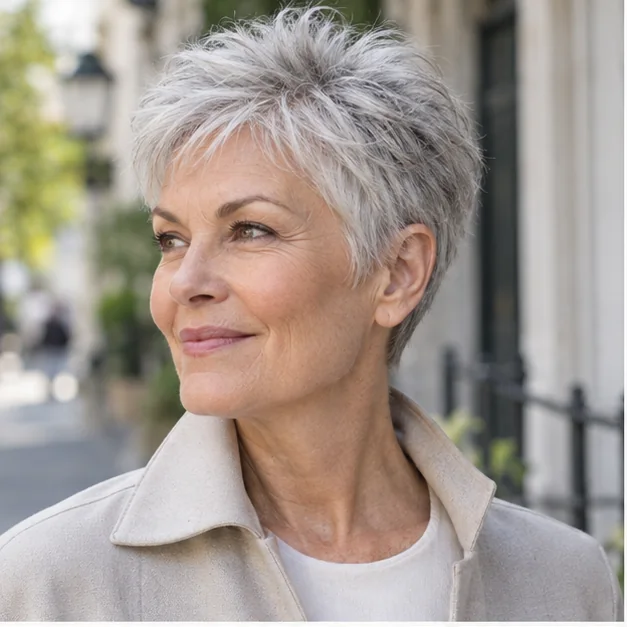
A softly tapered pixie follows the head neatly at the nape and around the ears while leaving enough length on top for gentle lift. The clean sides open the cheekbones and keep glasses from feeling crowded, while the airy crown makes fine or medium hair look fuller and creates a quietly confident mood. It dries quickly, though its tidy outline usually needs reshaping every four to six weeks. Ask for a scissor-cut taper, soft graduation and two to three inches on top; in the morning, warm a pea-size amount of light paste between your hands and lift only the crown.
Ask your stylist for: A scissor-cut soft taper at the nape and ears with gentle graduation and two to three inches of movable crown length.
2. Long Pixie With Side-Swept Fringe
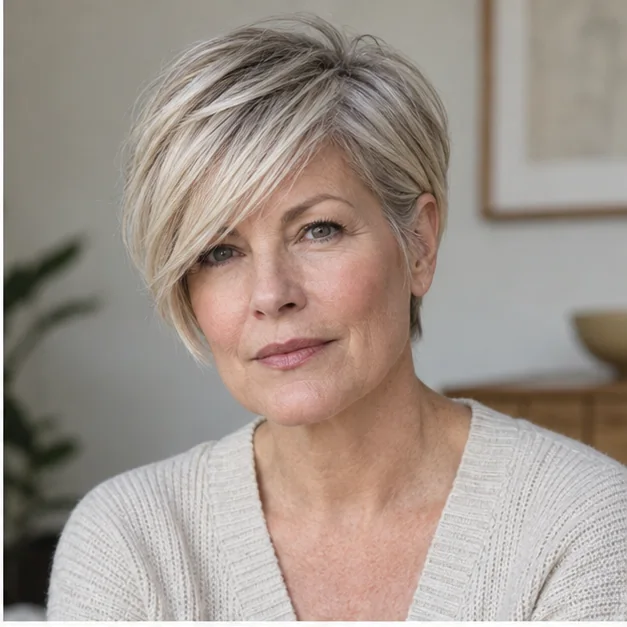
This long pixie keeps the sides close but lets the front sweep diagonally across the forehead and blend near the cheekbone. That movement can soften a square jaw, balance a higher forehead and give the face an elegant, composed frame without the commitment of short bangs. It suits straight or softly wavy hair and feels polished even as it grows, although the fringe may need a quick damp reset. Request a long top, connected side fringe and softly tapered nape; dry the front against its final direction first, then sweep it over with your fingers.
Ask your stylist for: A long pixie with connected cheekbone-directed fringe, close but soft sides and a tapered nape that can grow out gracefully.
3. Feathered Easy Crop
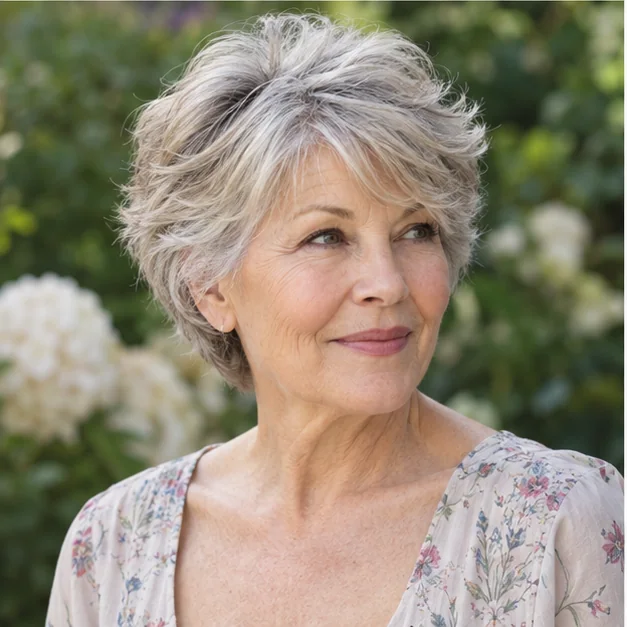
Short feathered layers move away from the face in light, overlapping pieces, with a tidy nape preventing the silhouette from becoming round and heavy. The texture brightens the eyes, gives fine hair visible motion and feels cheerful rather than overly set. This cut works best when the natural growth pattern already lifts at the crown; stubborn cowlicks should guide the layer direction instead of being cut too short. Ask for point-cut feathering through the top and temples with no razor-thinned perimeter, then use a vent brush or simply finger-dry with lightweight mousse.
Ask your stylist for: Point-cut feathered layers through the top and temples, following natural growth, with a neat nape and a substantial perimeter.
4. Wash-and-Wear Wavy Pixie
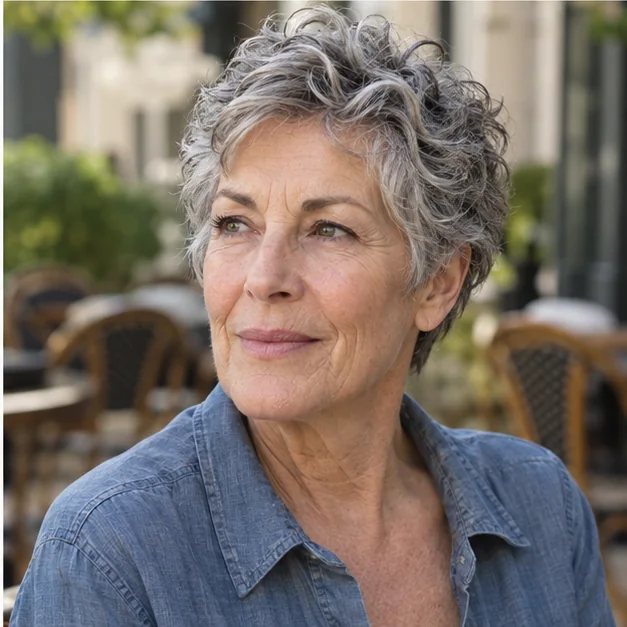
A wavy pixie leaves enough length for the natural pattern to form soft bends, then narrows cleanly around the ears and nape. Working with the wave creates easy crown fullness, softens angular features and makes the finish feel relaxed and self-assured instead of overworked. The practical win is air-drying, but only when the layers are cut for the hair's dry spring and usual part. Ask for curl-by-curl or dry-detailing through the top with a connected taper; scrunch in a small amount of foam, arrange the fringe and leave it alone while it dries.
Ask your stylist for: A wave-aware pixie with enough top length to form bends, dry-detailing around the fringe and a softly connected taper.
5. Rounded Curly Crop
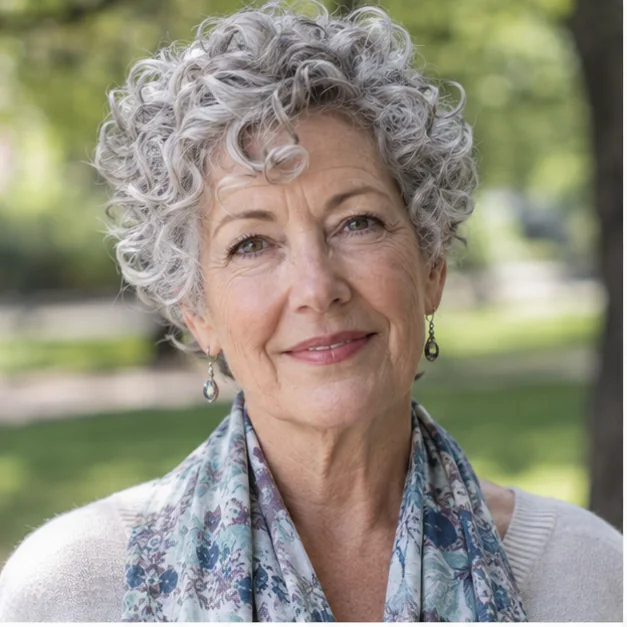
A rounded curly crop builds a soft halo through the top and sides while the perimeter is carefully shaped above the ears and close at the nape. The balanced width can flatter a longer face, showcase silver curls and create a warm, lively presence that never relies on rigid styling. It is low effort between wash days, though curl definition still needs moisture and a thoughtful refresh. Ask for a dry, curl-aware rounded shape with internal weight removal only where needed; apply leave-in and light gel to soaking-wet hair, then diffuse gently or air-dry without touching.
Ask your stylist for: A dry-cut rounded crop that respects curl clusters, with controlled width, a close nape and no blanket thinning.
Pause and notice: Before choosing the shortest option, decide whether quick mornings or fewer salon appointments matters more. Those are different kinds of ease.
6. Soft Bixie With Tucked Sides
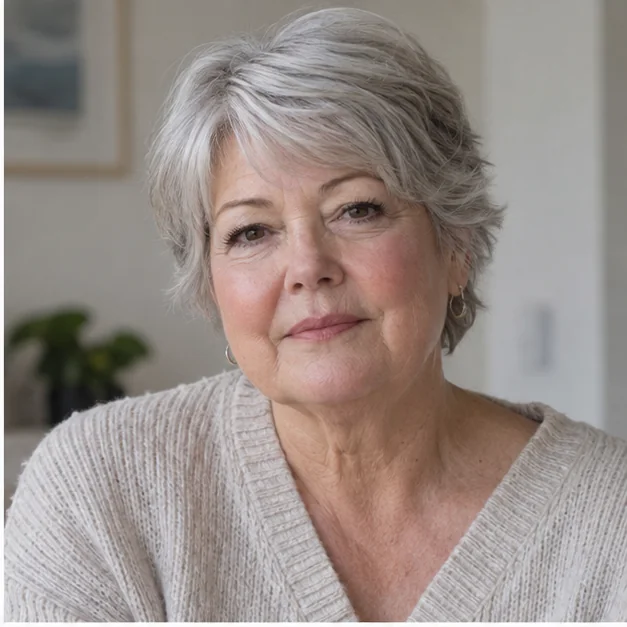
The bixie combines pixie-like layering with a slightly longer bob perimeter, leaving soft pieces at the nape and enough side length to tuck behind the ears. It gives fine or medium hair movement, keeps the face open and feels modern without making the leap to a very short crop. The forgiving outline can stretch salon visits beyond a classic pixie, although the longer top may need a quick blow-dry. Ask for connected pixie layers with an ear-tuckable side and soft nape length; direct the roots with your fingers and smooth only the front with a small brush.
Ask your stylist for: A soft bixie with connected crown layers, ear-tuckable sides and wispy nape length rather than a tight crop.
7. Jaw-Length Blunt Bob
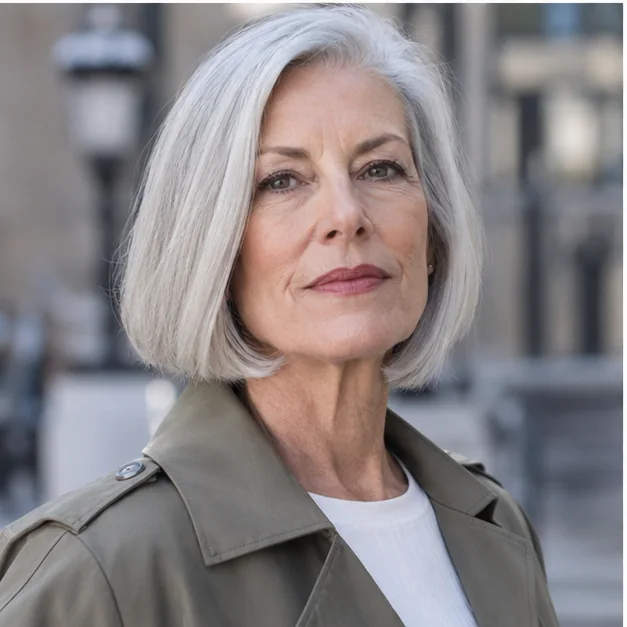
A jaw-length blunt bob places most of its visual weight in one clean perimeter, with minimal layering and a subtle bevel at the ends. That strong edge can make fine strands appear denser, define the jaw and create a calm, sophisticated look that suits both casual and professional routines. It takes longer to dry than a pixie but can hold its shape for seven to ten weeks. Ask for a dry jaw-length line with only discreet internal movement and no thinning through the baseline; air-dry straight hair or smooth the ends once with a paddle brush.
Ask your stylist for: A jaw-length blunt bob with a dense baseline, minimal visible layering and just enough internal movement to prevent stiffness.
8. Air-Dried Layered Short Bob
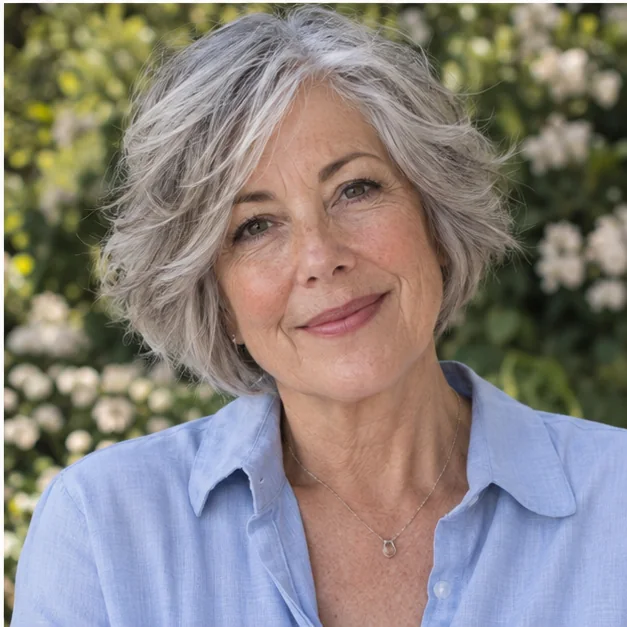
This short bob uses broad, connected layers to encourage natural movement while keeping a recognizable line between the jaw and nape. The softer surface prevents thick or wavy hair from sitting like a solid triangle, lifts the face and gives an easy, approachable finish. It is genuinely low effort when the layers follow the natural bend, but excessive texturizing can create frizz or make the ends look sparse. Ask for long internal layers, gentle face framing and a protected perimeter; squeeze in curl cream or air-dry lotion, set the part and avoid brushing once dry.
Ask your stylist for: A jaw-to-nape bob with long connected internal layers, gentle face framing and a perimeter protected from over-thinning.
9. Low-Stack Rounded Bob
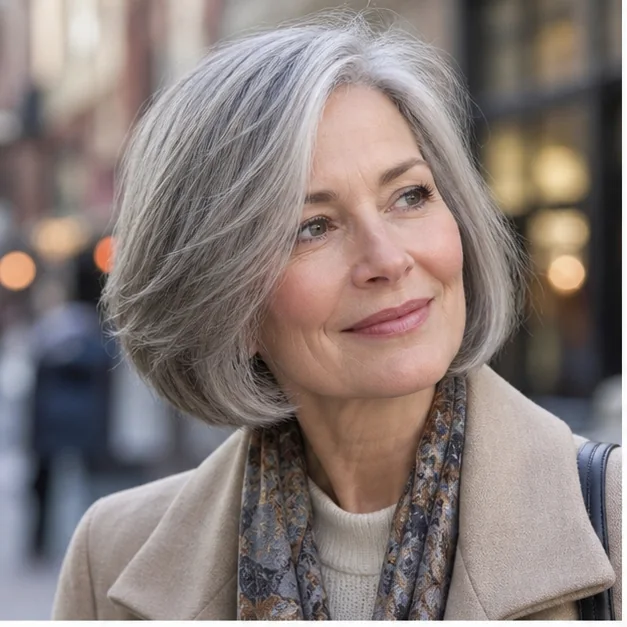
A low stack places subtle graduation near the nape, supporting a rounded back without creating a steep, dated wedge. The shape adds dependable fullness where hair can flatten, keeps the neckline neat and feels quietly polished from every angle. It suits straight to softly wavy medium-density hair, especially when a blow-dry naturally curves the ends under. Ask for low, blended graduation with a longer crown and a jaw-skimming front; dry the back with a flat wrap and use a round brush only on the upper curve, then reshape in six to eight weeks.
Ask your stylist for: A softly rounded bob with low blended nape graduation, a longer crown and jaw-skimming front pieces—not a steep stack.
10. Rounded Bob With Wispy Bangs
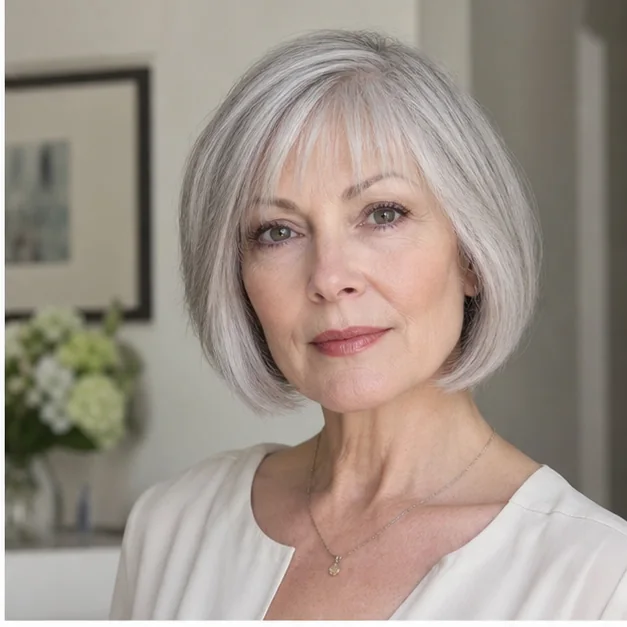
A softly rounded bob curves toward the jaw while a narrow, wispy fringe breaks gently across the forehead. The light bangs draw attention to the eyes, soften a higher forehead and create a friendly, refined frame without the heaviness of a full blunt fringe. This works well on straight or lightly wavy hair, though bangs are only easy if their length respects cowlicks and glasses. Ask for a brow-skimming, low-density fringe with longer temple pieces and a rounded jawline bob; dampen and dry the fringe first, then let the rest settle naturally.
Ask your stylist for: A rounded jawline bob with a narrow brow-skimming fringe, longer temple pieces and allowance for glasses or front cowlicks.
Pause and notice: Look at the perimeter in each photo. A strong edge supports fine hair, while controlled internal layers help dense hair settle.
11. Soft Short Shag
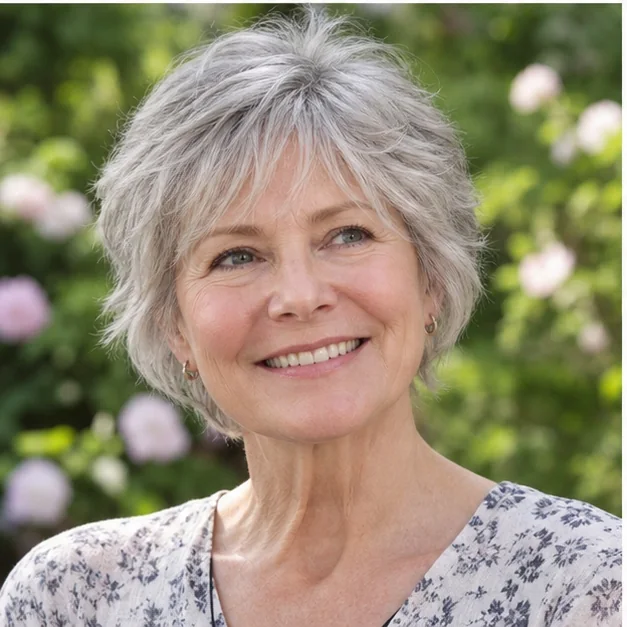
A soft short shag concentrates airy layers at the crown, blends them through the sides and leaves a lightly piecey neckline. The broken-up shape releases natural wave, creates lift above fuller cheeks and feels spirited and contemporary without requiring a perfect finish. It can be easy to air-dry, but very fine ends should not be razor-thinned or the silhouette will lose strength. Ask for rounded shag layering with a soft fringe and retained perimeter density; scrunch with mousse, lift the crown clips while drying and accept a little irregular movement as part of the charm.
Ask your stylist for: A rounded short shag with airy crown layers, a soft fringe and retained density through the neckline and ends.
12. Wavy Cropped Shag
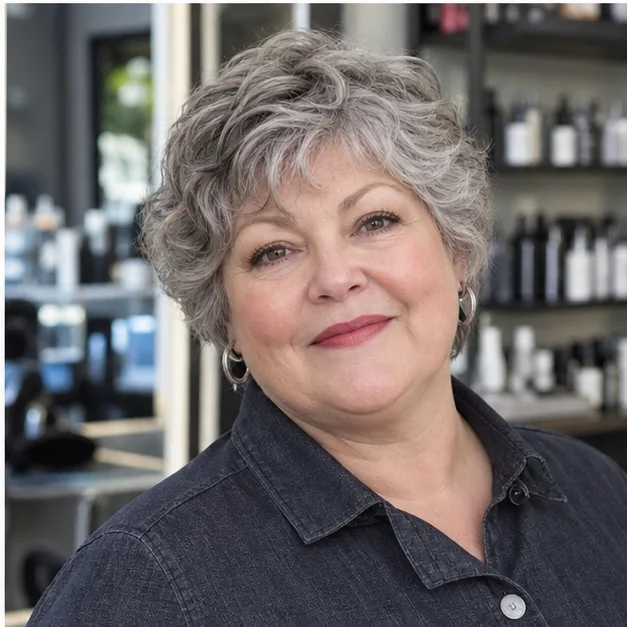
The wavy cropped shag sits closer at the nape while short, irregular layers encourage bends through the crown and temples. Its lifted texture visually lengthens a round face, disguises an inconsistent wave pattern and creates a playful, confident finish that improves as it becomes slightly tousled. This is not ideal for anyone who prefers every piece to lie in the same direction. Ask for a short shag shaped on dry waves, with a tapered neckline and no disconnected shelf at the crown; scrunch in foam, diffuse briefly and separate only a few pieces with paste.
Ask your stylist for: A dry-shaped cropped shag that follows the wave pattern, with irregular connected crown layers and a tapered neckline.
13. Salt-and-Pepper Pixie for Glasses
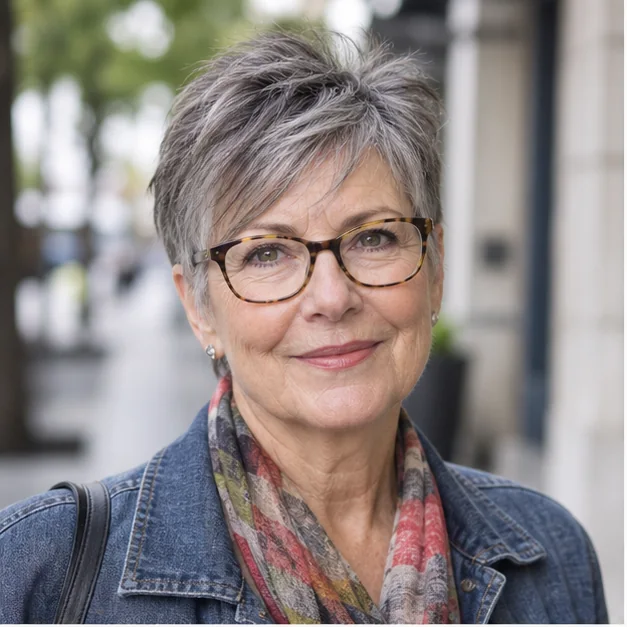
A salt-and-pepper pixie keeps the temples clean around the arms of glasses and leaves a soft diagonal fringe that relates to the frame instead of colliding with it. The open sides highlight cheekbones, mixed color adds natural dimension and the tailored silhouette can feel smart, energetic and distinctly personal. Bring your everyday glasses to the appointment because frame width changes the ideal side length. Ask for close scissor work around the ears, a movable crown and fringe that clears the upper rim; refresh with water and pinch the top into place.
Ask your stylist for: A glasses-aware pixie with clean scissor work around the ears, a movable crown and fringe positioned above or beside the frame.
14. Soft Undercut Pixie
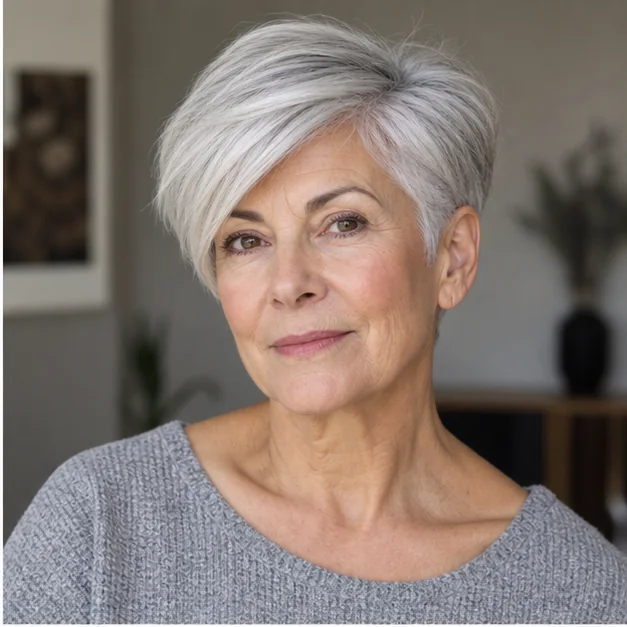
A soft undercut removes hidden bulk beneath a longer top, keeping the visible outline smooth rather than sharply shaved. It can make thick hair feel lighter, control puffiness around the ears and create a sleek, modern confidence while preserving styling flexibility above. The concealed short section grows quickly and may need regular cleanup, so it trades easy mornings for more frequent salon visits. Ask for a subtle clipper-over-comb or scissor undercut with a connected longer top and no hard disconnection; smooth the surface with your hands and let the reduced bulk do the work.
Ask your stylist for: A subtle hidden undercut to remove ear and nape bulk, connected visually to a longer movable top with no harsh shaved line.
15. Piecey Crop for Fine Hair
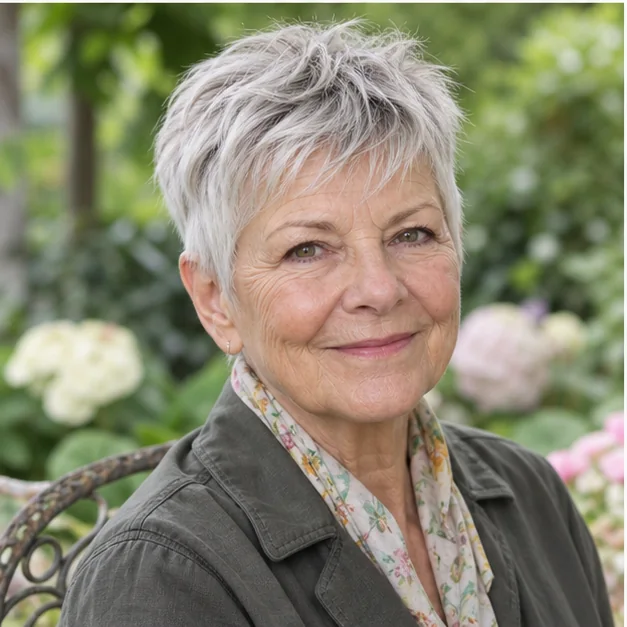
A piecey crop uses compact layers and softly separated ends to create texture without sacrificing the appearance of density. The small shifts in direction make fine hair look more animated, lift attention toward the eyes and give an unfussy, optimistic mood. It needs only a trace of product, but over-thinning or heavy wax can expose the scalp and collapse the shape. Ask for point-cut texture through a dense short crop with no razor and no thinning shears at the crown; mist with volumizer, finger-dry forward and pinch three or four pieces apart.
Ask your stylist for: A dense short crop with point-cut surface texture, a protected crown and no razor or aggressive thinning through fine hair.
Pause and notice: Bring your glasses and show your natural part at the consultation. Small practical details often determine whether a short cut behaves beautifully.
16. Tapered Crop for Thick Hair
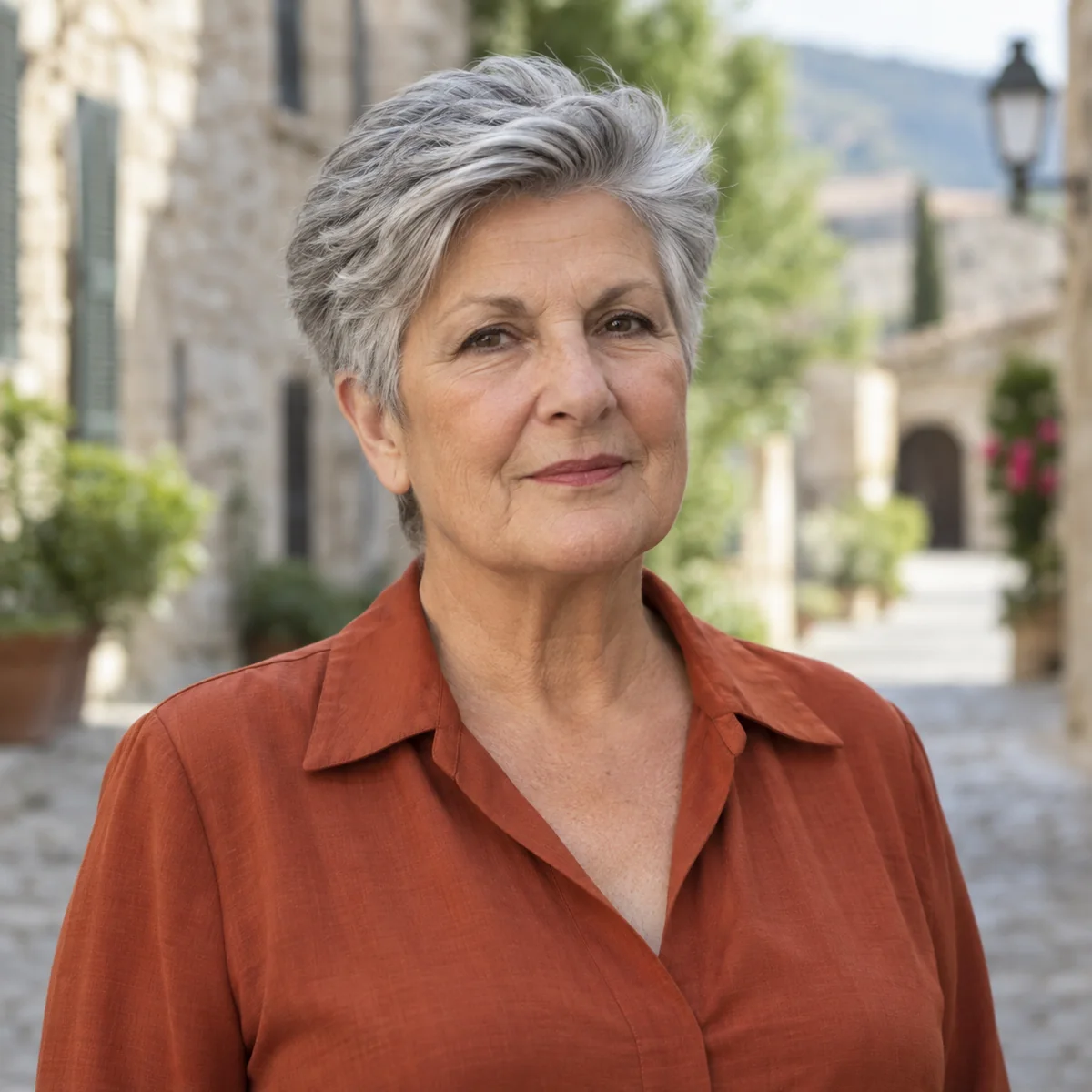
This tapered crop removes weight close to the nape and ears while leaving longer, directional layers through the top. The contrast prevents thick hair from expanding into a round block, reveals the neck and creates a crisp, capable look that is simple to style. Thorough internal weight removal matters, but the surface must stay long enough to lie smoothly rather than spring outward. Ask for a graduated taper with controlled internal debulking and a long top that follows the growth pattern; blow-dry with your fingers, then use flexible cream only where separation is needed.
Ask your stylist for: A graduated taper with controlled internal weight removal, preserved surface length and a long directional top suited to thick hair.
17. Coily Tapered Cut
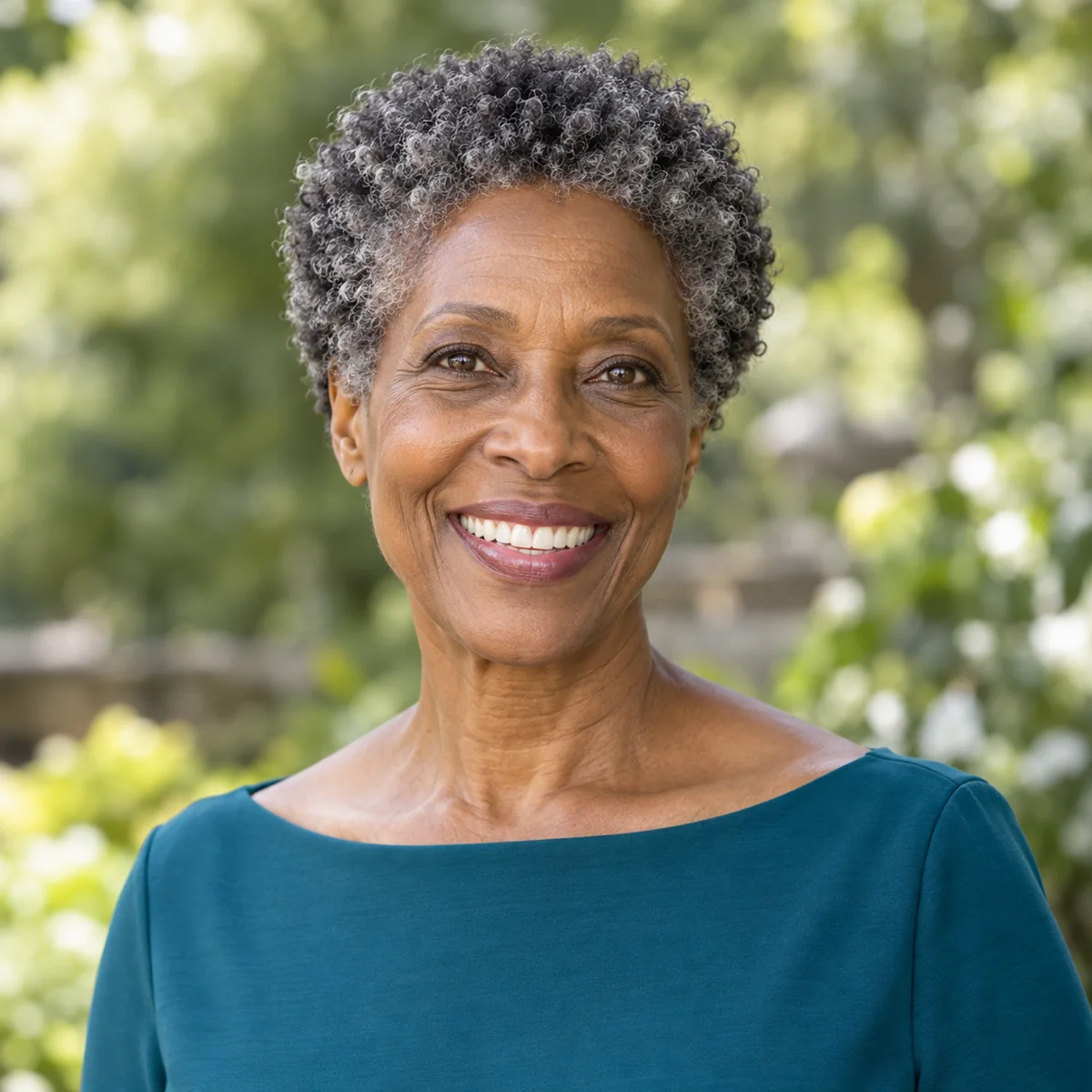
A coily tapered cut keeps the sides and nape compact while natural coils form a softly rounded crown. The lifted center elongates the silhouette, celebrates silver or dark texture and creates a bold, joyful presence with very little daily manipulation. Maintenance is mainly moisture and nighttime protection, although the taper needs regular shaping if you prefer a crisp outline. Ask for a coil-aware taper that preserves a balanced top and avoids cutting every area to one uniform length; hydrate, define with a light cream and sleep in a satin bonnet or scarf.
Ask your stylist for: A coil-aware taper with compact sides and nape, a balanced rounded crown and length adjusted to the dry shrinkage pattern.
18. Asymmetrical Pixie Bob
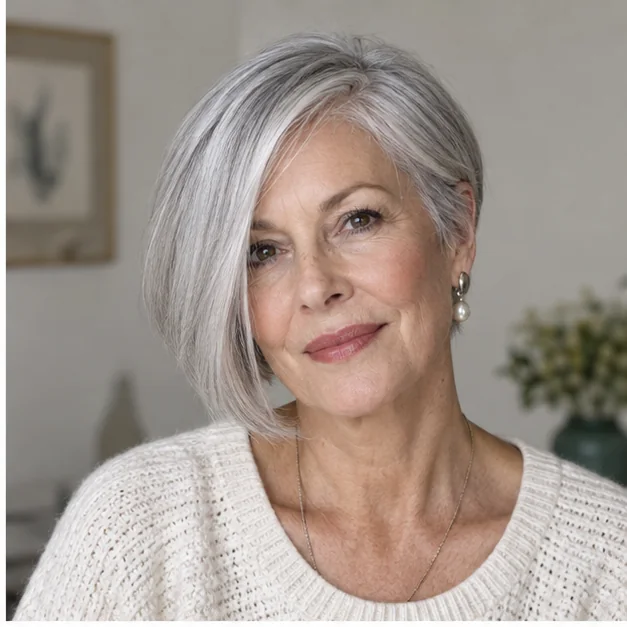
An asymmetrical pixie bob leaves one front side longer while the opposite side tucks neatly behind the ear, with a softly graduated back connecting the two. The diagonal line can lengthen a round face, bring attention to the eyes and make a simple short cut feel creative and assured. It grows out better than a severe undercut, though the intended imbalance must remain obvious. Ask for a pixie-bob foundation with one cheekbone-to-jaw front panel and a softly tucked opposite side; define the long section with a quick brush pass and leave the rest natural.
Ask your stylist for: A connected pixie bob with one cheekbone-to-jaw front panel, a tuckable opposite side and soft back graduation.
19. Ear-Length French-Inspired Bob
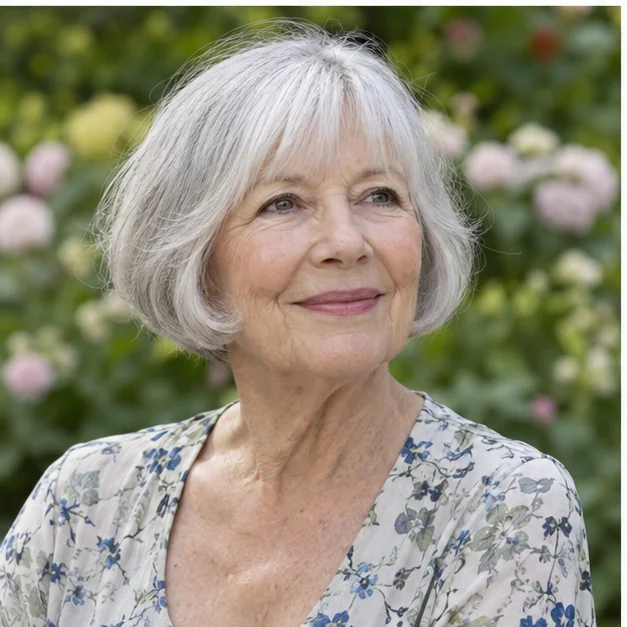
An ear-length bob creates a compact, softly rounded line with a light fringe and enough side length to tuck away. The petite proportions expose the neck, bring focus to the eyes and feel chic and spirited without relying on elaborate styling. It suits straight or softly wavy hair that naturally lies close; strong expansion or tight curls need a texture-specific version rather than forced smoothing. Ask for an ear-length bob with subtle nape graduation, a full perimeter and an airy fringe; air-dry with the part set, then bend only the ends if needed.
Ask your stylist for: An ear-length, French-inspired bob with subtle nape graduation, a substantial perimeter and a light, wearable fringe.
20. Grown-Out Pixie With Soft Nape
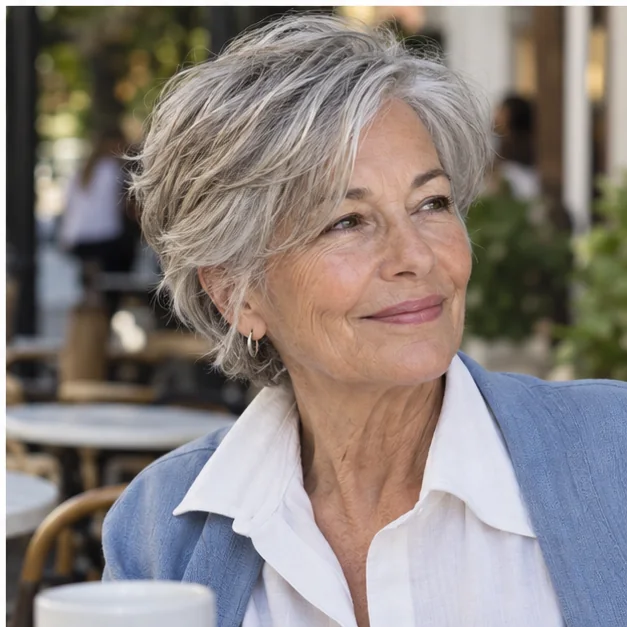
A grown-out pixie deliberately keeps extra length around the ears and nape, with blended crown layers preventing the shape from becoming bulky. The softer perimeter flatters anyone who dislikes a severe neckline, offers more styling flexibility and creates an easy, relaxed elegance between major cuts. It is one of the better choices for stretching appointments, although occasional fringe or nape dusting keeps it intentional. Ask for a long pixie designed to grow toward a bixie, with weight balanced behind the ears; use leave-in spray, tuck the sides and let natural movement soften the outline.
Ask your stylist for: A long pixie planned to grow into a bixie, with balanced weight behind the ears, blended crown layers and a soft nape.
Pause and notice: The best low-maintenance cut is the one you can repeat on an ordinary Tuesday and still recognize as your chosen shape.
Before You Book the Appointment
A successful salon visit begins with the overall shape, construction and upkeep—not only the finished length. Use this quick reality check before choosing your final reference photograph.
- Best for: Women who want a short, intentional shape matched to their natural texture, density and routine
- Styling effort: Usually two to ten minutes, depending on texture and desired polish
- Typical maintenance: Four to eight weeks for pixies and crops; six to ten weeks for softer bobs and bixies
- Main benefit: A predictable silhouette that feels current and reduces unnecessary daily styling
What Low Maintenance Really Means
Separate daily effort from salon frequency. A very short taper may take two minutes each morning but need a four-week reshaping, while a jaw bob may take longer to dry and still look intentional at week nine. Choose which kind of time you most want to save.
Match the Cut to the Hair You Have Now
Density, texture, cowlicks, hairline changes and gray-hair behavior affect ease more than age. Fine hair often benefits from a protected perimeter; thick hair needs controlled internal movement; curls and coils need dry-shape awareness. Bring photos that resemble your own texture and density.
Salon Language That Prevents Surprises
Describe the dry length, the area where you want fullness and what you refuse to style every morning. Ask how the cut will look after six weeks, whether the fringe works with glasses and which pieces need heat. Front, side and back references are more useful than one polished photograph.
Keep Short Hair Easy Between Appointments
Reset only the areas that need it: dampen a fringe, lift a flat crown or redefine a few curls. Lightweight foam, leave-in spray and flexible paste are usually more helpful than heavy oils. Sleep protection and a clean scalp often preserve shape better than adding more product.
Choose Ease Without Following Age Rules
Short hair is an option, not an obligation after 60. The right cut should support your features, texture and days—not promise to make you look younger. Save the silhouette that feels most like you, then choose the version whose real maintenance fits your life.