A short bob can make a change feel wonderfully immediate: the neckline appears, the eyes come forward, and even ordinary hair texture gets a clearer point of view. The best version is not simply the shortest one. It is the one whose outline, fringe and upkeep suit the way you actually live.
Use this gallery to compare shape before you fall for a single photo. A blunt perimeter makes fine hair look denser; internal layers calm thick hair; fringe and front length decide what the cut emphasizes around your face.
1. Classic Short Blunt Bob
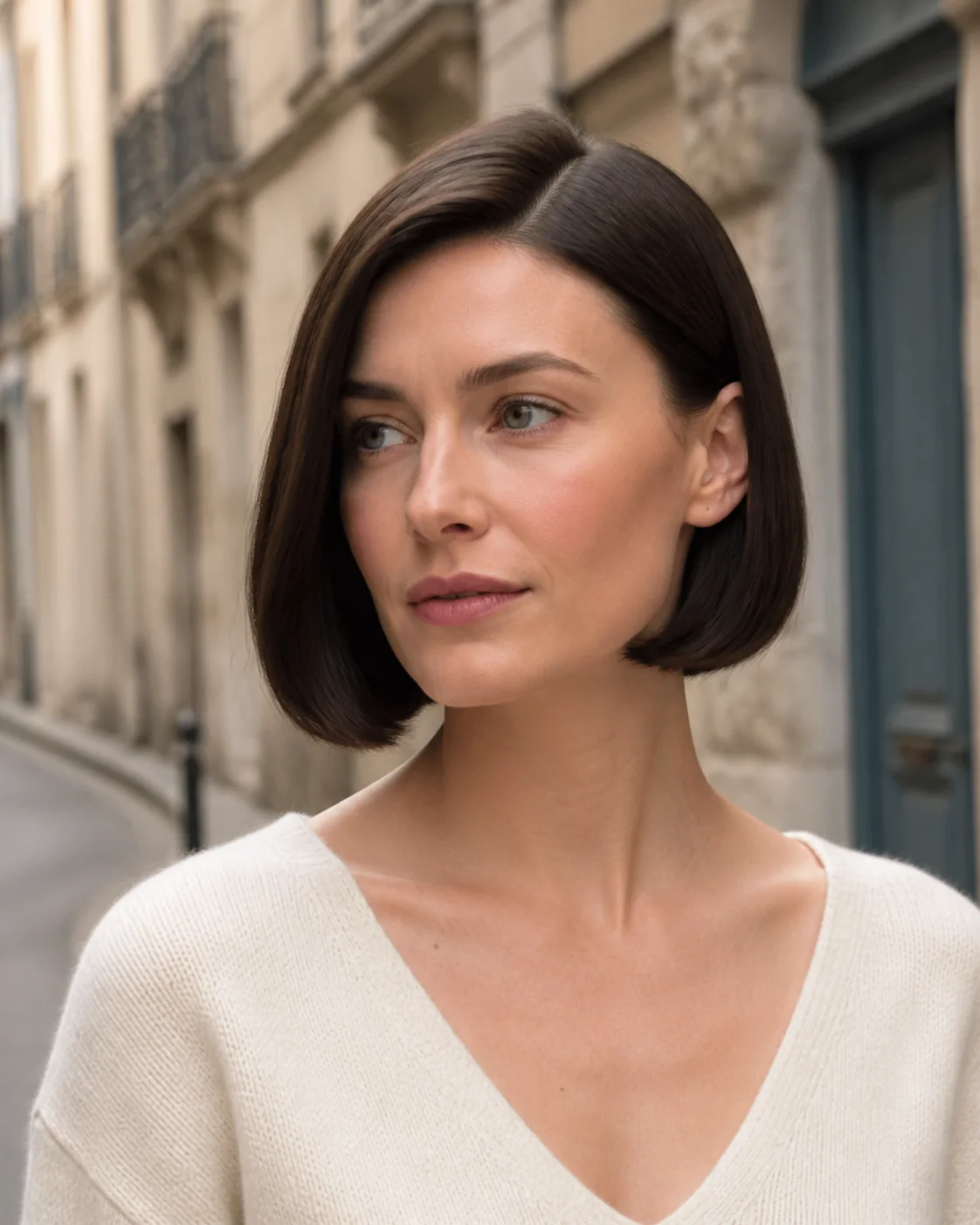
A clean chin-length edge makes this bob look polished and substantial. Ask for a dry-length consultation and minimal layering so the perimeter stays convincing. It is especially good when you want fine or medium hair to look more present.
2. Soft Short Bob With Wispy Bangs
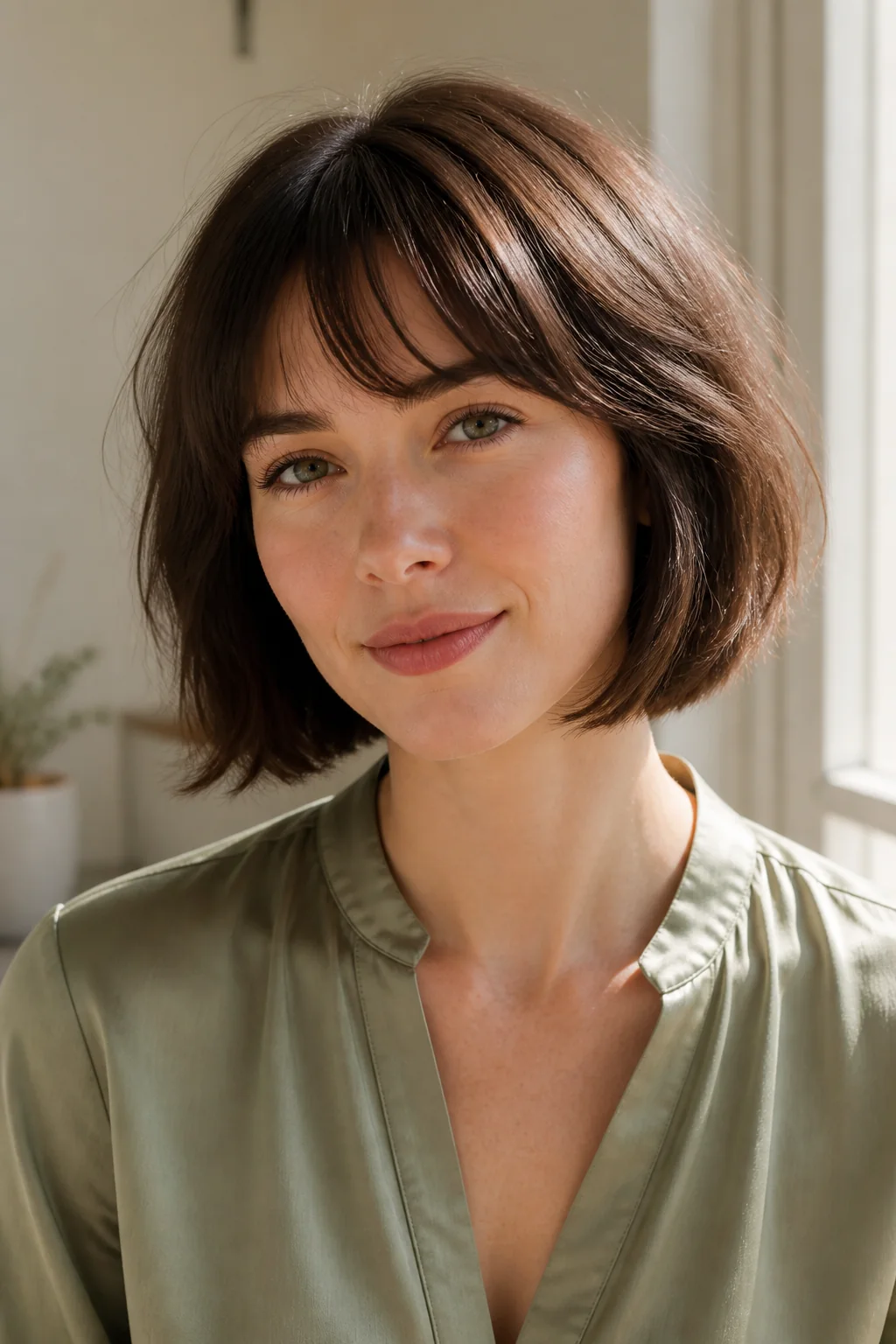
Wispy bangs soften the forehead without closing in the face. Keep the bob compact, but ask your stylist not to over-thin the fringe; lightness should come from separation, not from losing every bit of weight.
3. Wavy Short Bob
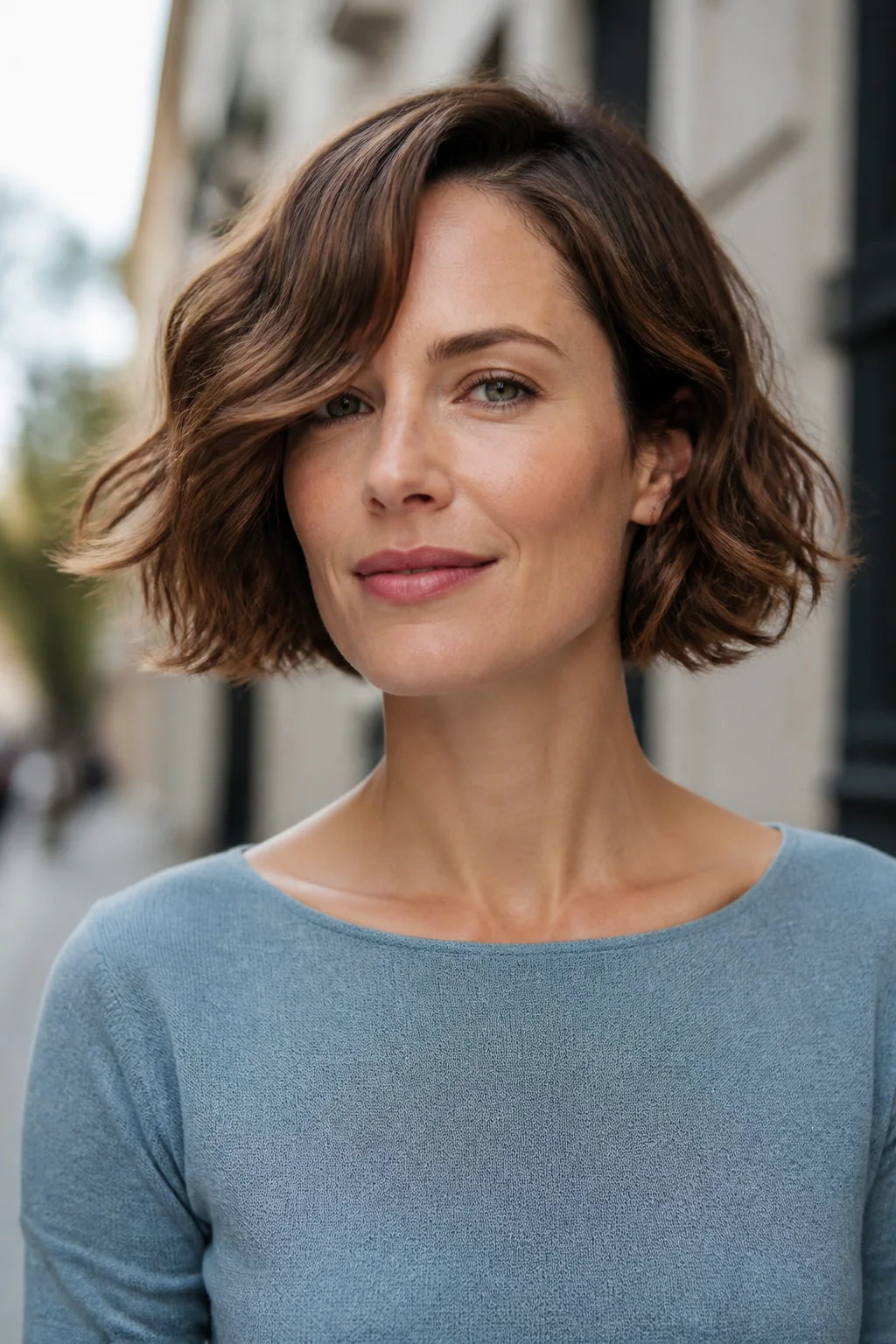
Loose waves make a short shape feel more relaxed and forgiving. Leave enough length for your wave pattern to rise as it dries, then use a small amount of cream and let a few bends remain imperfect.
4. Curly Short Bob With Fringe
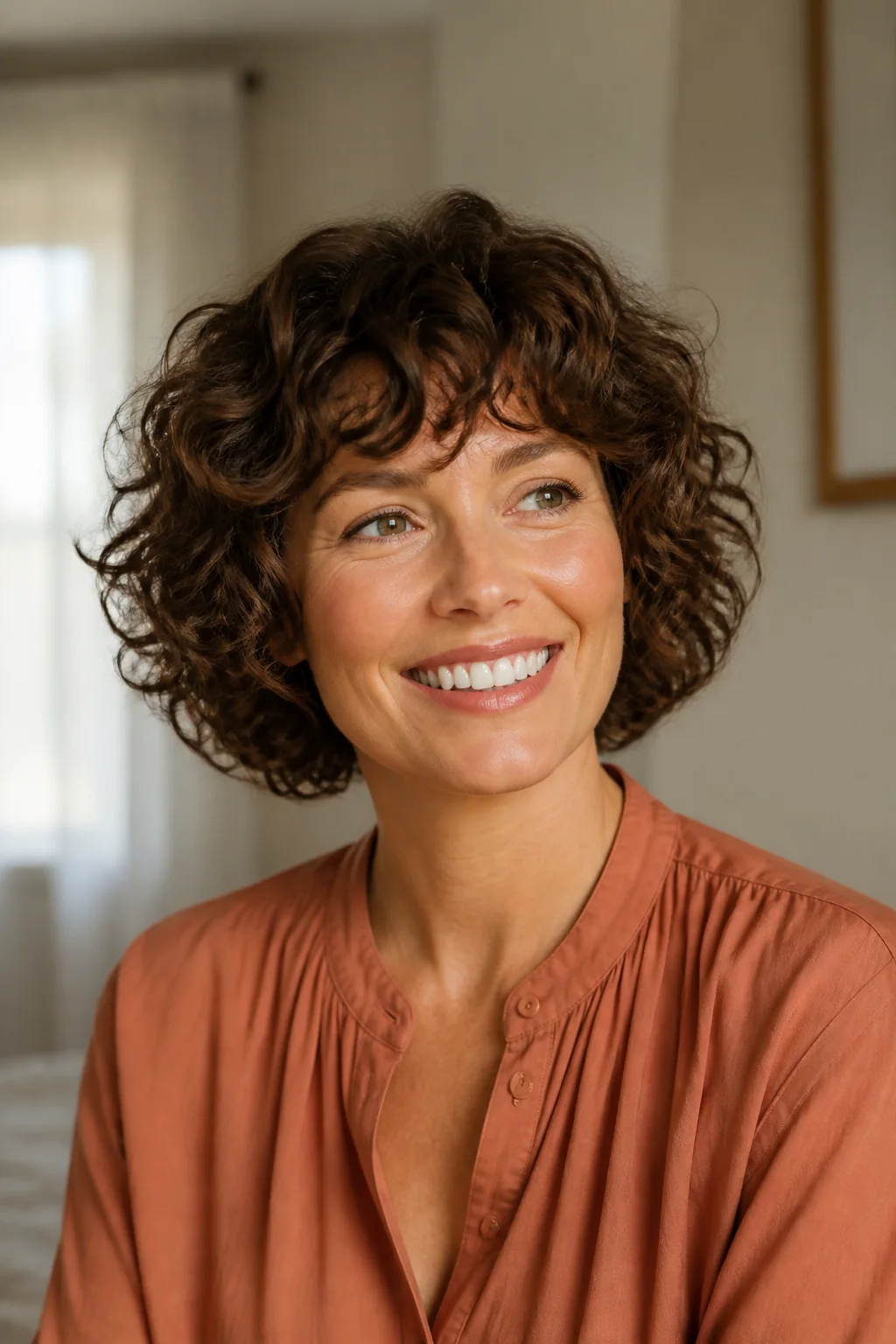
A rounded curly bob brings attention toward the eyes and cheekbones. Have the fringe cut curl by curl in its natural state, and avoid aggressive thinning that can turn a pretty outline fuzzy.
5. Fine-Hair Short Layered Bob
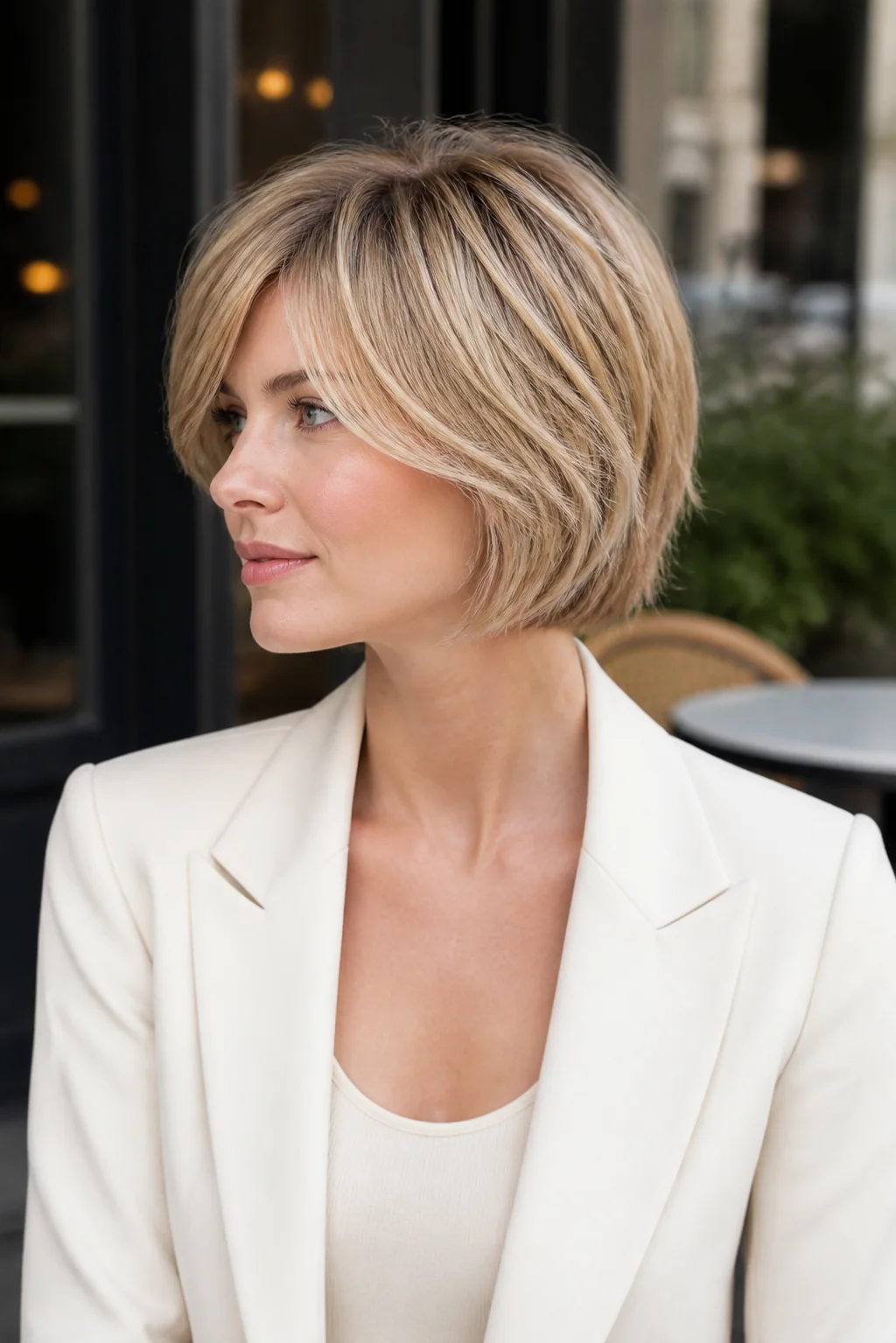
Fine hair usually needs an edge more than it needs many layers. This version keeps weight at the bottom and uses gentle root lift for movement, creating volume that still looks like real hair.
A useful rule: If fullness is your goal, protect the perimeter first. Texture should support the outline, not erase it.
6. Short Stacked Bob
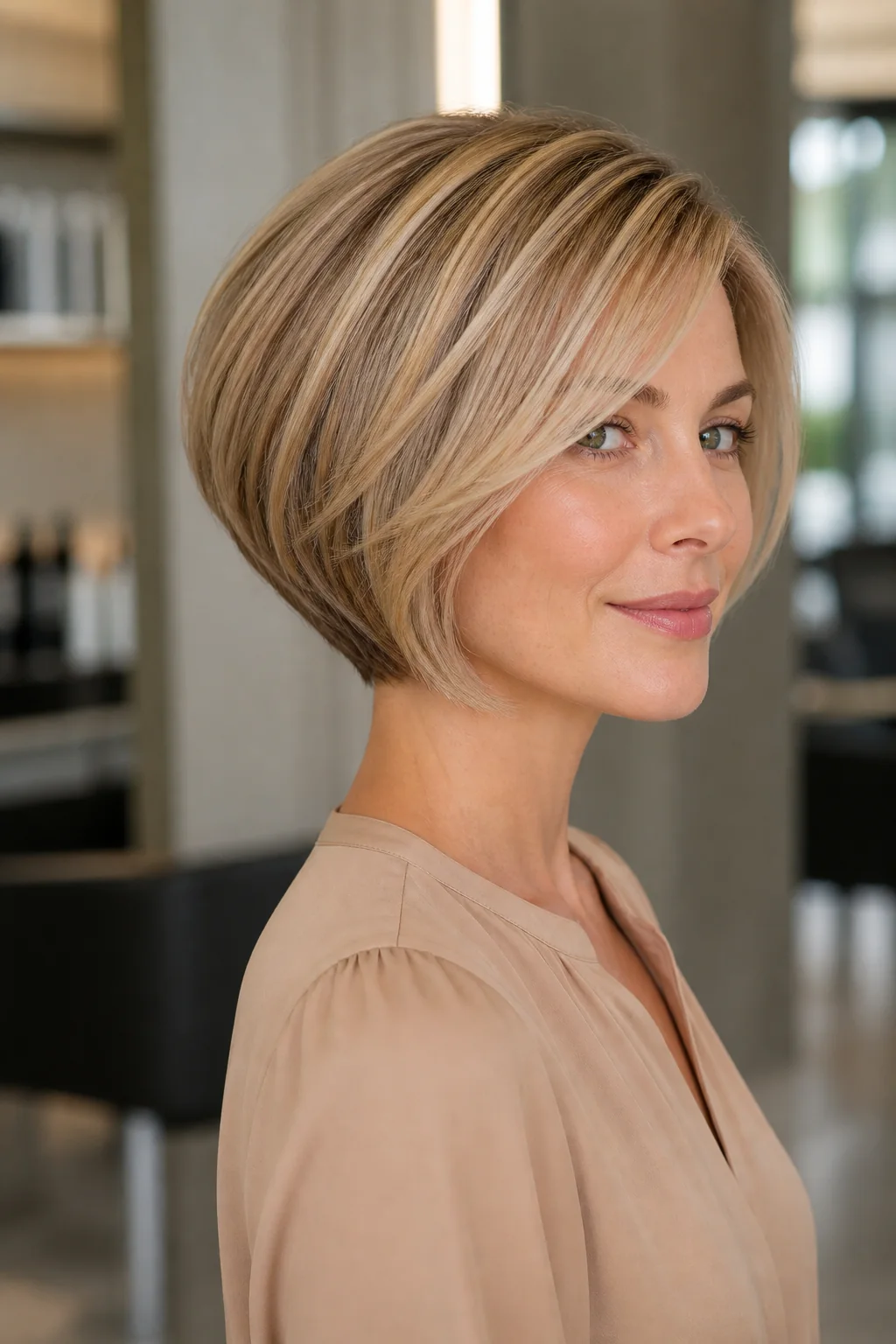
Soft graduation at the nape gives this bob a shaped, finished back. Ask for a subtle stack rather than a dramatic wedge; it should follow your head beautifully from the side and still look current from the front.
7. Short Inverted Bob
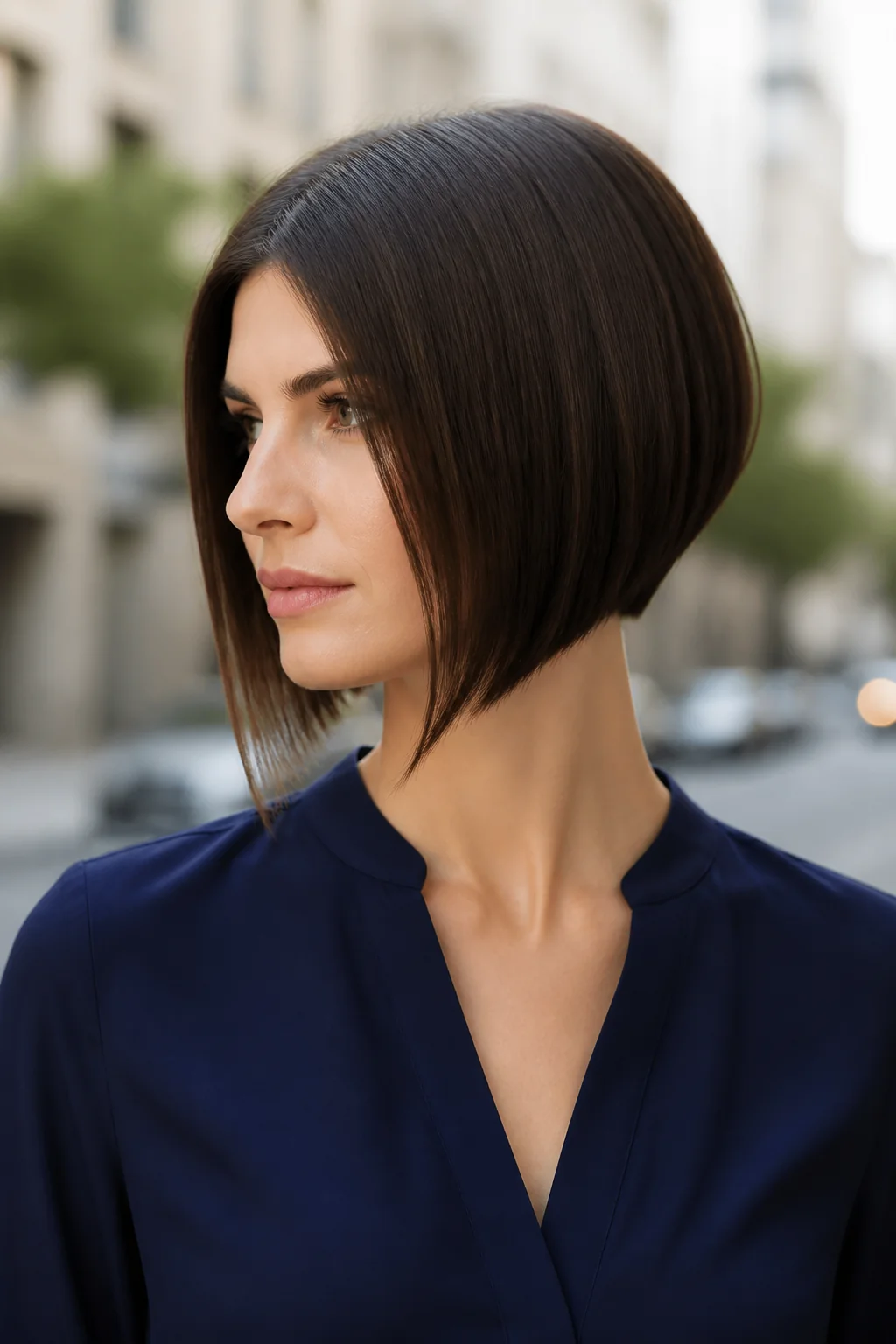
The longer front corners create a graceful diagonal that can make the face feel more open. This is a strong choice if you want a short nape but prefer a little reassurance and coverage beside the cheeks.
8. Choppy Textured Short Bob
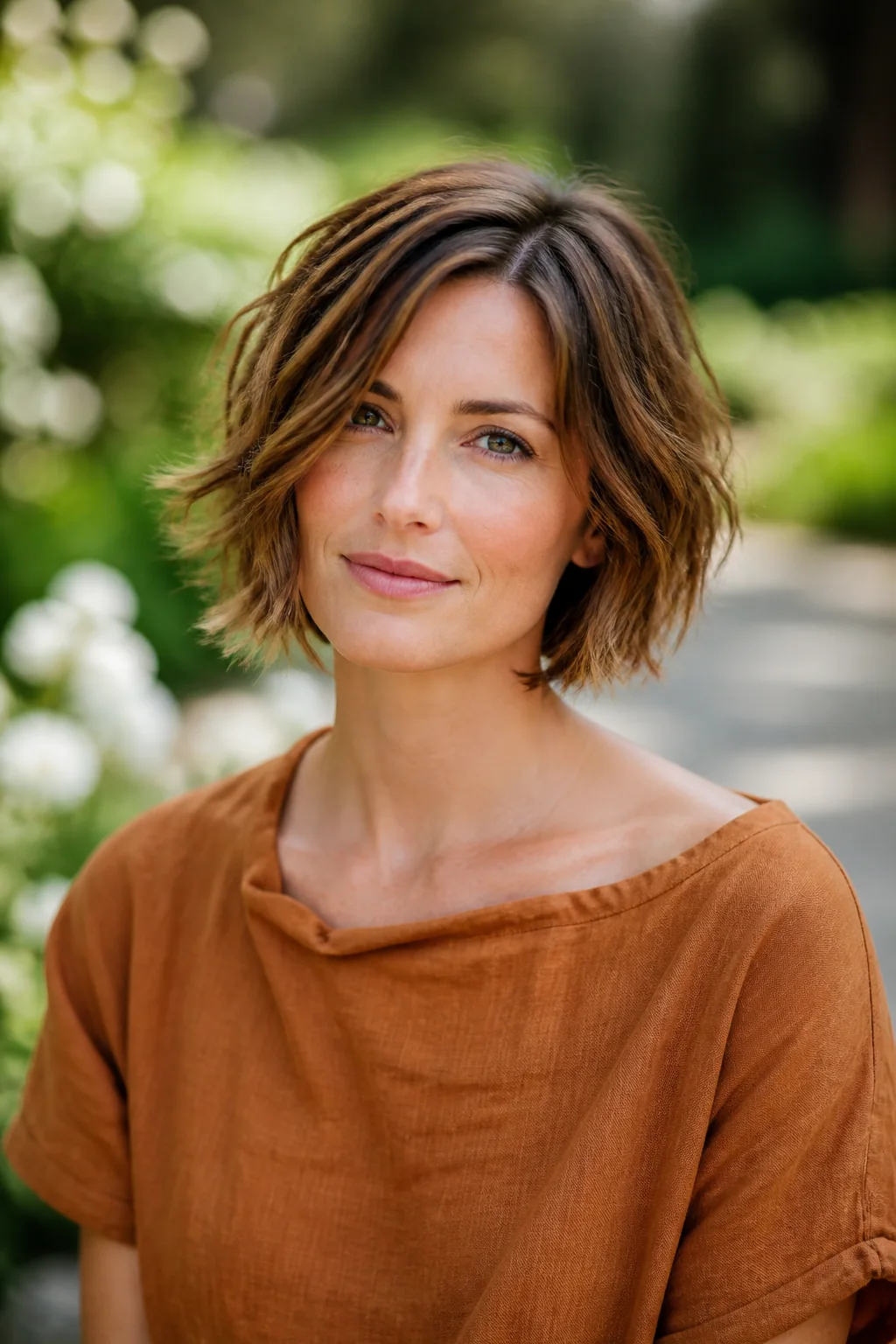
Carefully placed texture gives a short bob energy without making it messy. Ask for a solid underlying line plus a few soft pieces; too much razoring can make the haircut look thin instead of lived-in.
9. Short Bob With Full Bangs
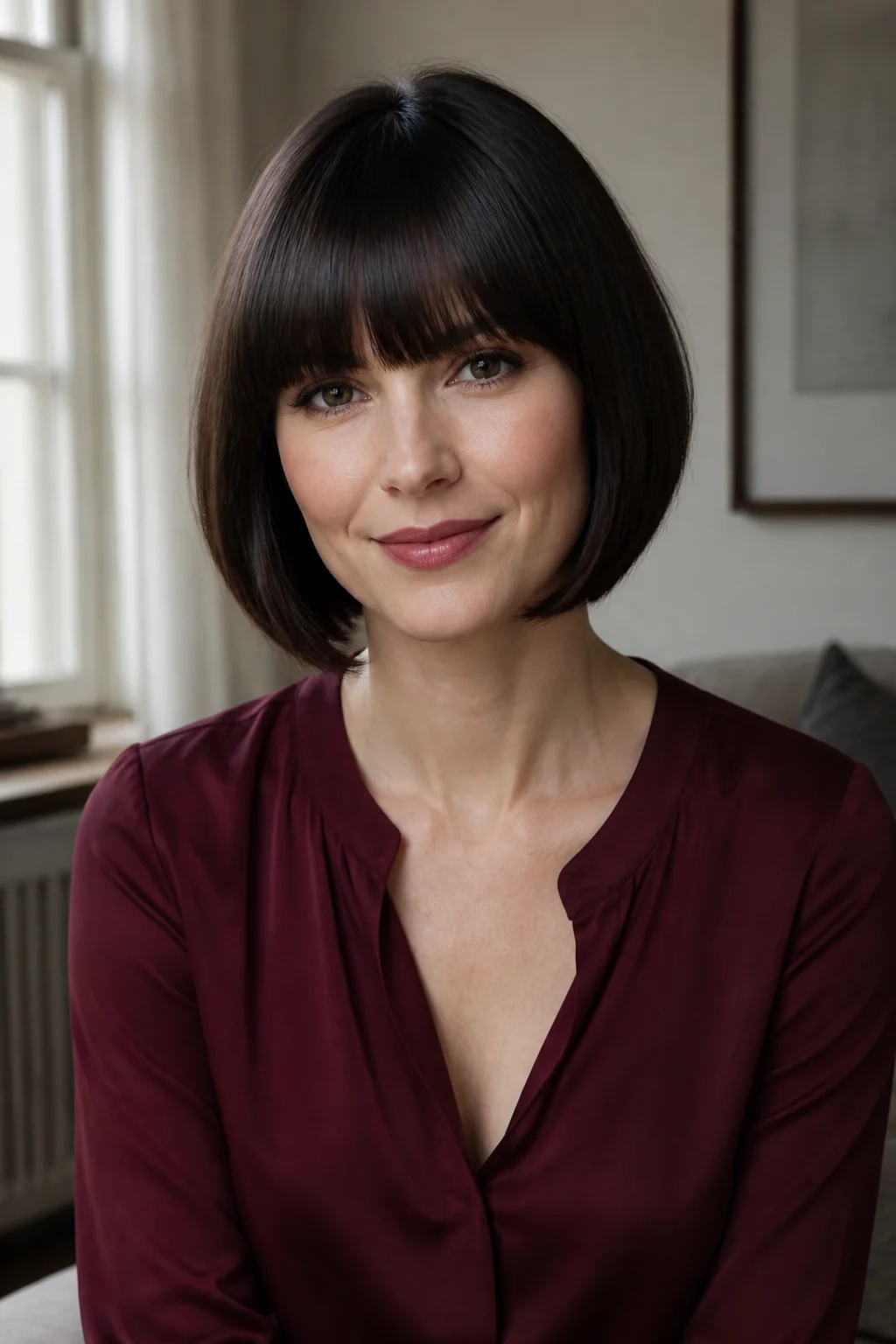
Full bangs turn a bob into an unmistakable frame for the eyes. They need a little daily attention, but drying them first with a small brush keeps the look soft rather than helmet-like.
10. Silver Short Bob for Women Over 50
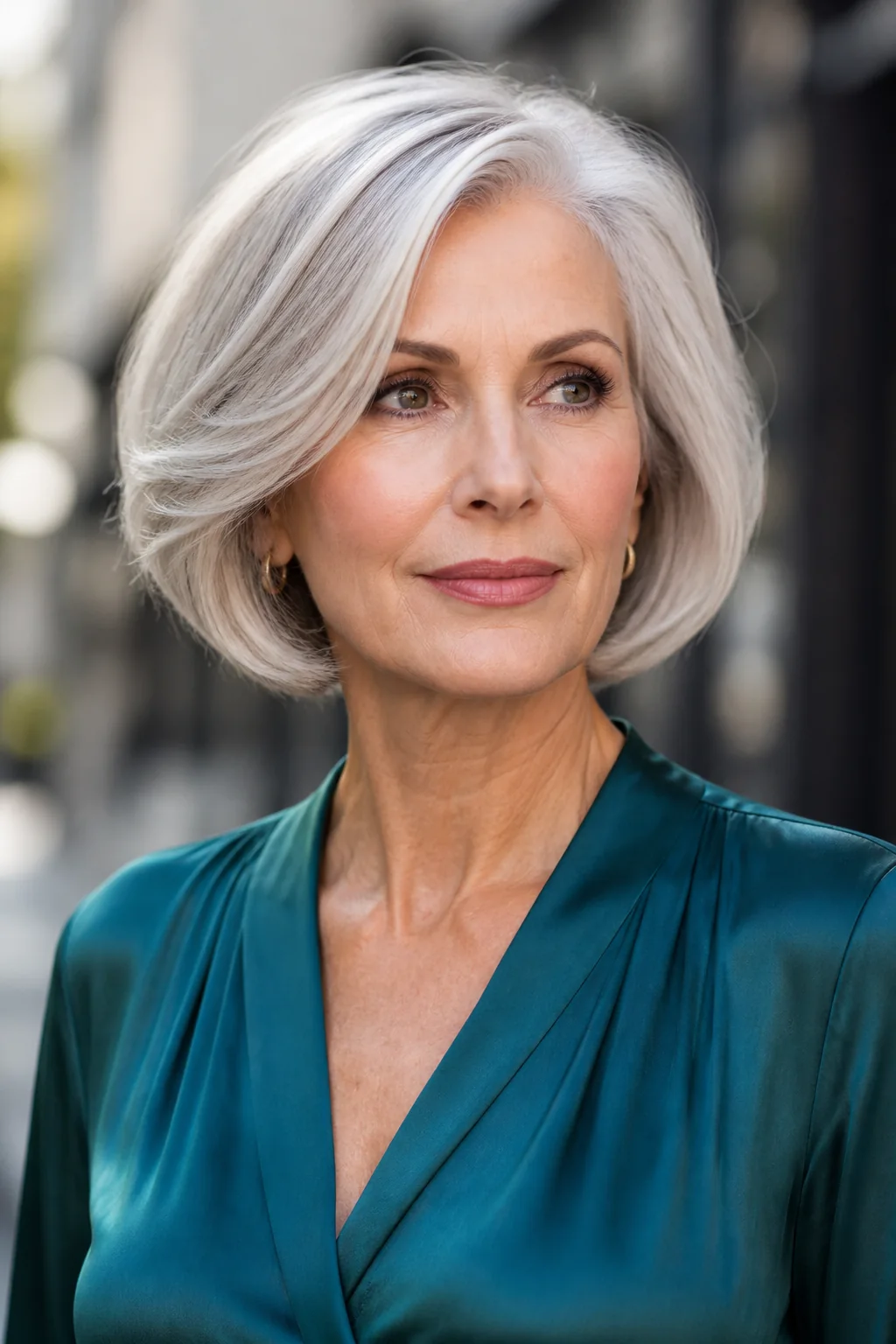
Silver reflects light beautifully in a compact shape. Gentle volume at the crown and softly curved ends make this cut feel elegant and modern, without pretending hair should look younger than it is.
11. Rounded Short Bob for Thick Hair
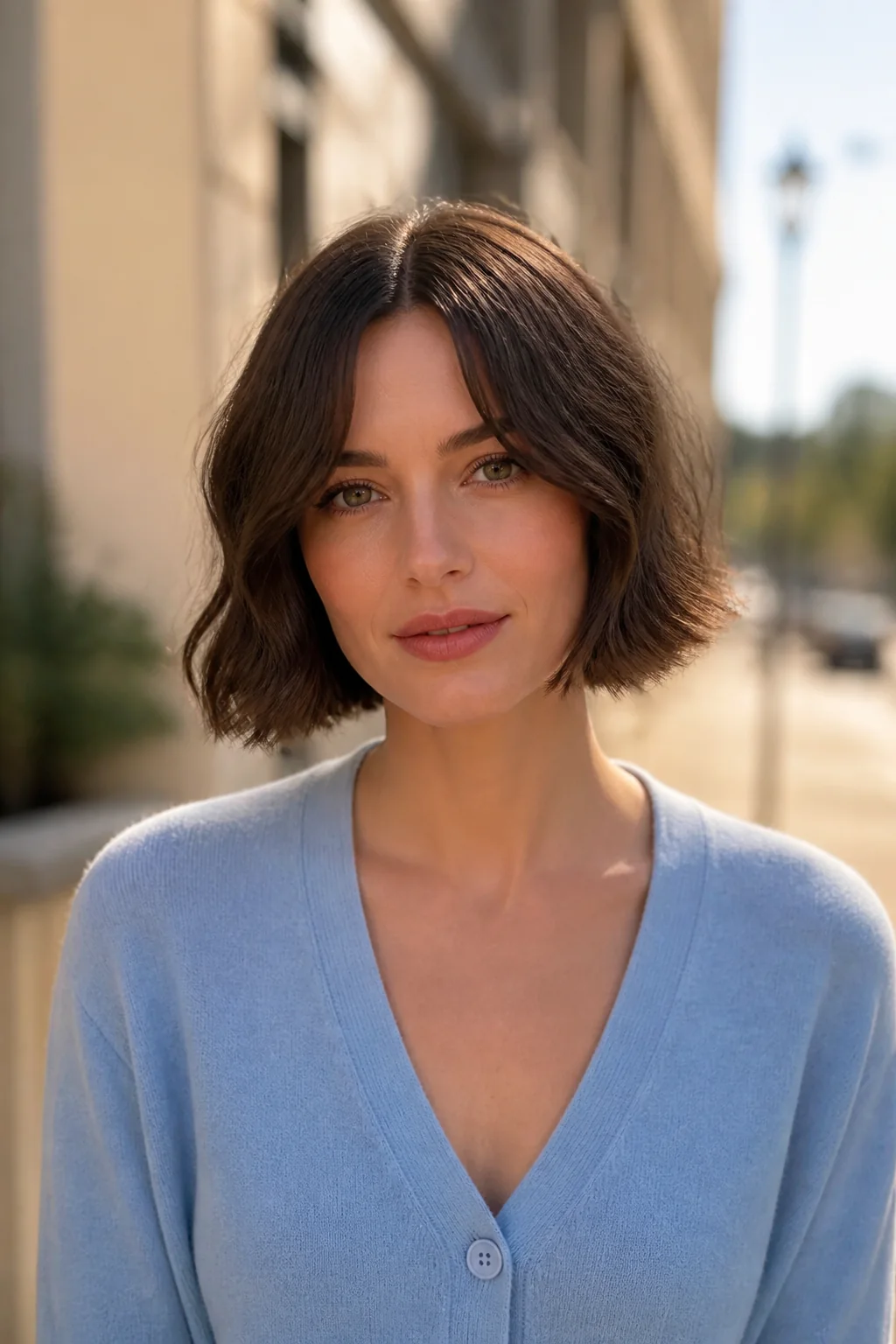
Thick hair can look luxurious in a short bob when excess weight is removed internally. The visible edge should stay rich while the sides hug the head instead of widening into a triangle.
12. Short Bob With Curtain Bangs
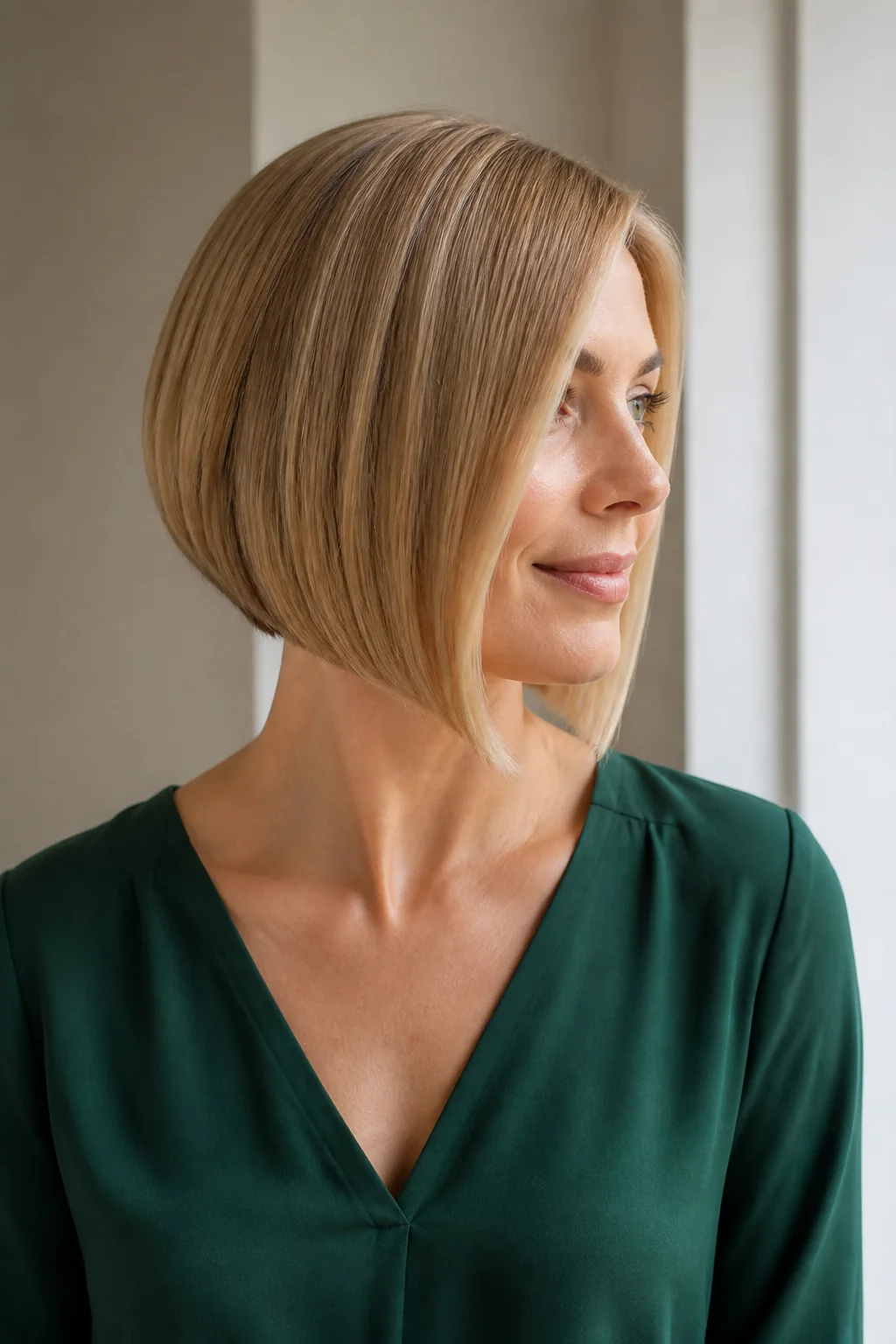
Curtain bangs make a short bob feel airy around the eyes. They work best when their length connects gently to the front corners, not when they are cut as a separate, heavy block.
13. Short A-Line Bob
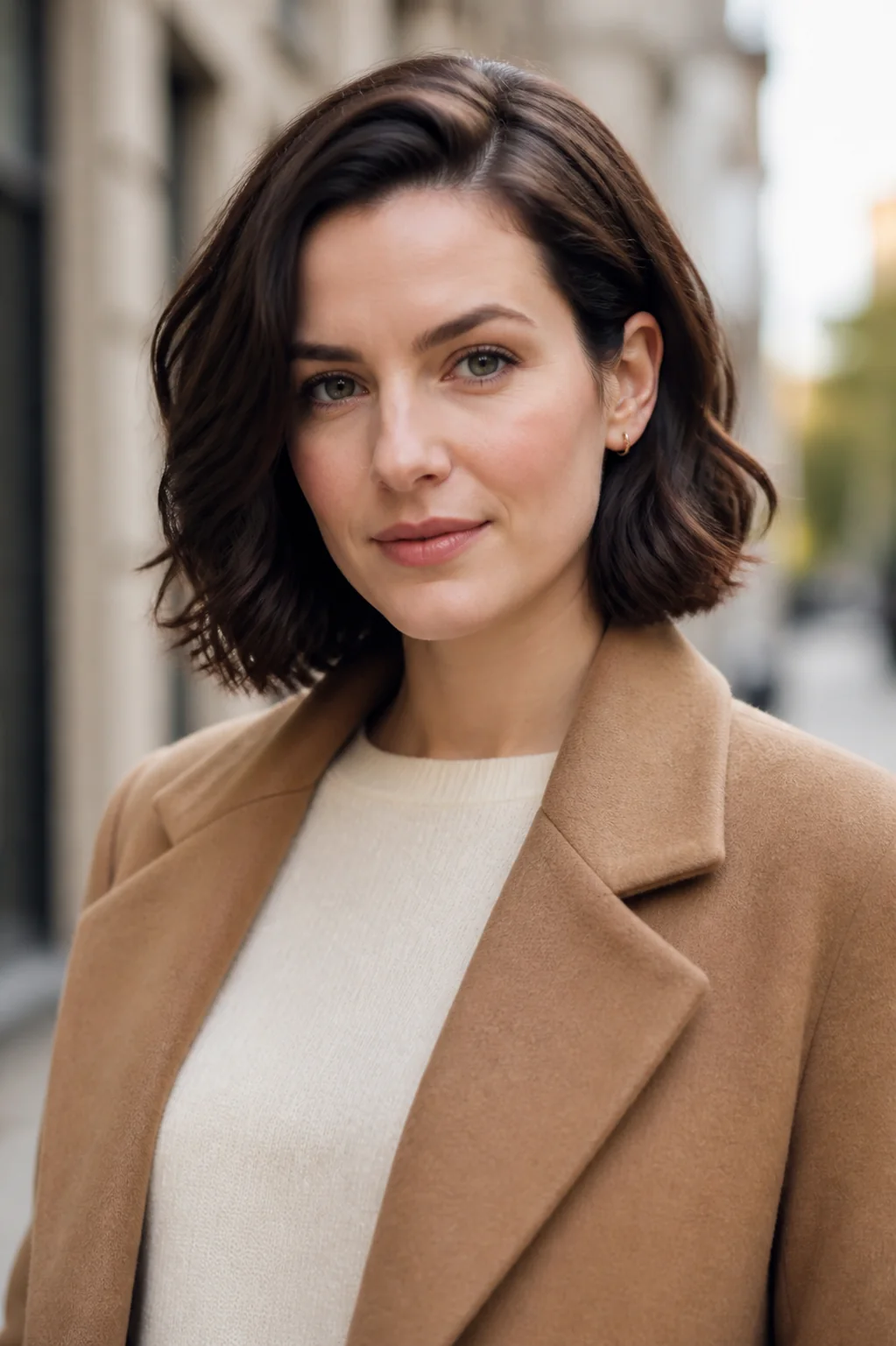
The A-line bob is clean, graphic and easy to understand at the salon: shorter at the back, longer toward the front. Keep the angle modest for a softer everyday version that grows out more gracefully.
14. Short Bob Tucked Behind One Ear
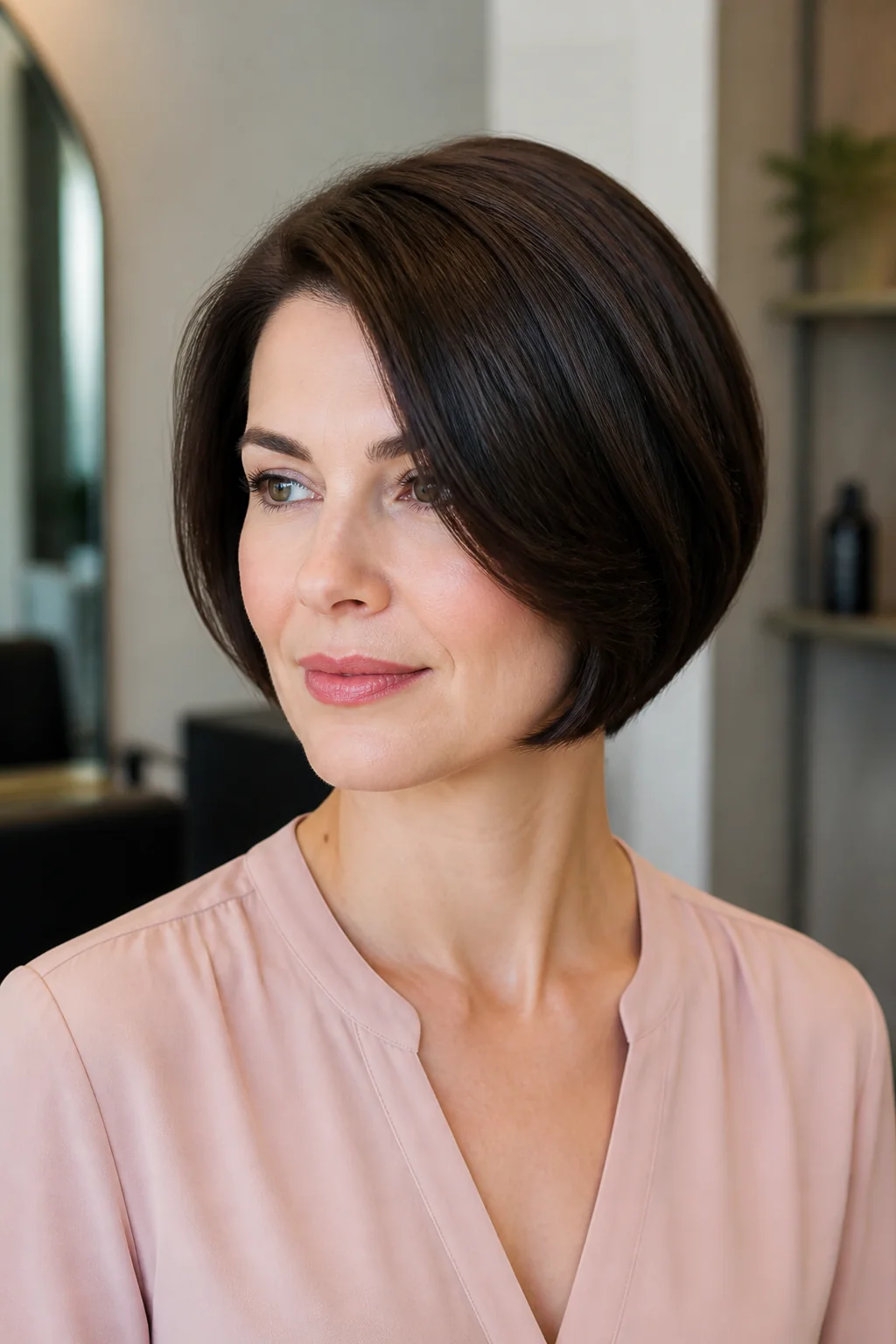
One tucked side reveals a cheekbone and instantly changes the mood of a simple bob. Ask for front pieces that are long enough to tuck naturally, rather than relying on pins or heavy product.
15. Short Bob for a Round Face
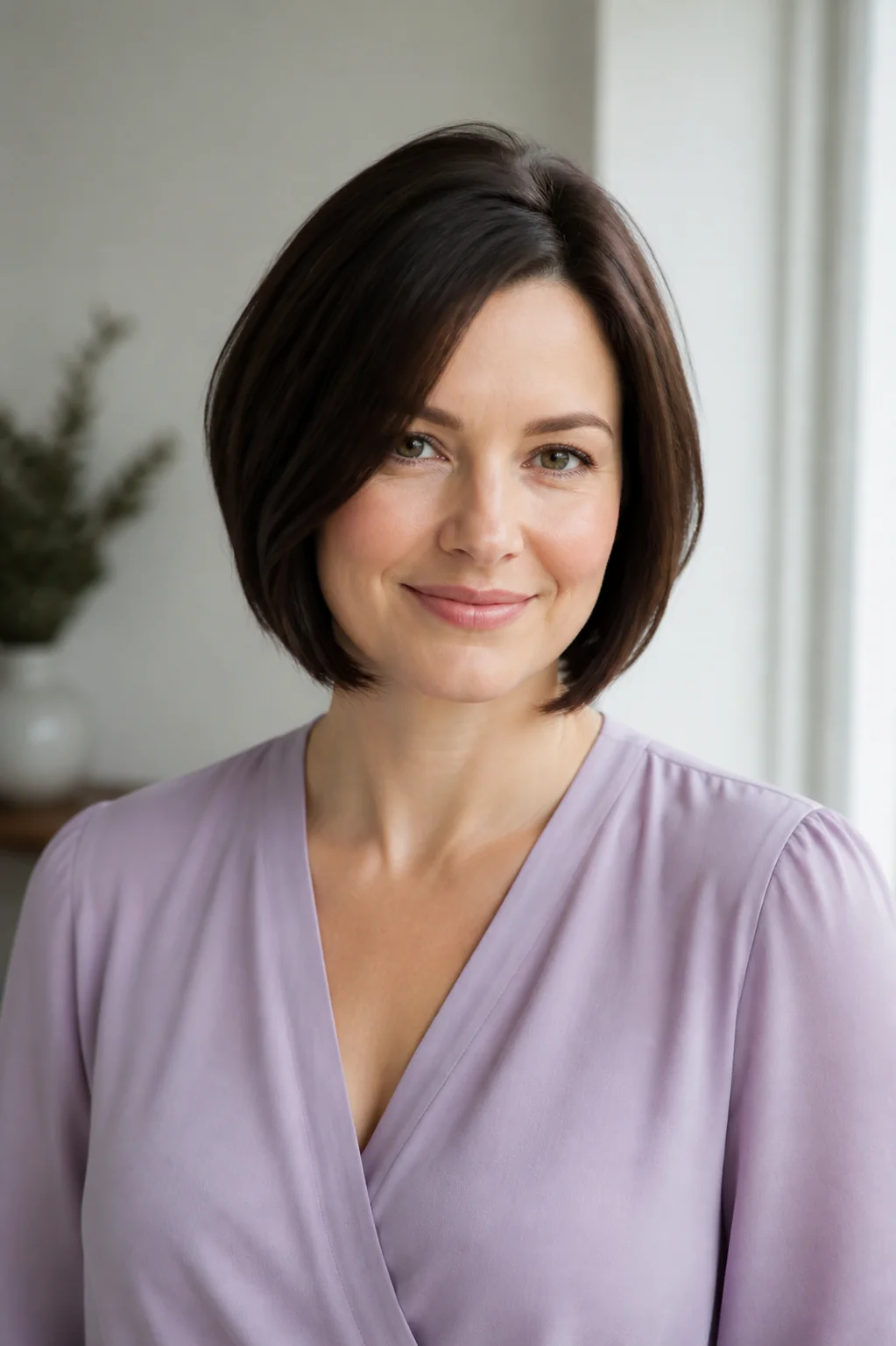
A slightly longer front and small amount of crown height add useful direction. This is not about correcting a face shape; it is about deciding whether you want the eye to travel vertically, diagonally or straight toward the cheeks.
Pause before choosing: Bring the photo that shows the front and another that shows the back. A short bob succeeds as a whole silhouette, not as one flattering angle.
16. Short Bob With Flipped Ends
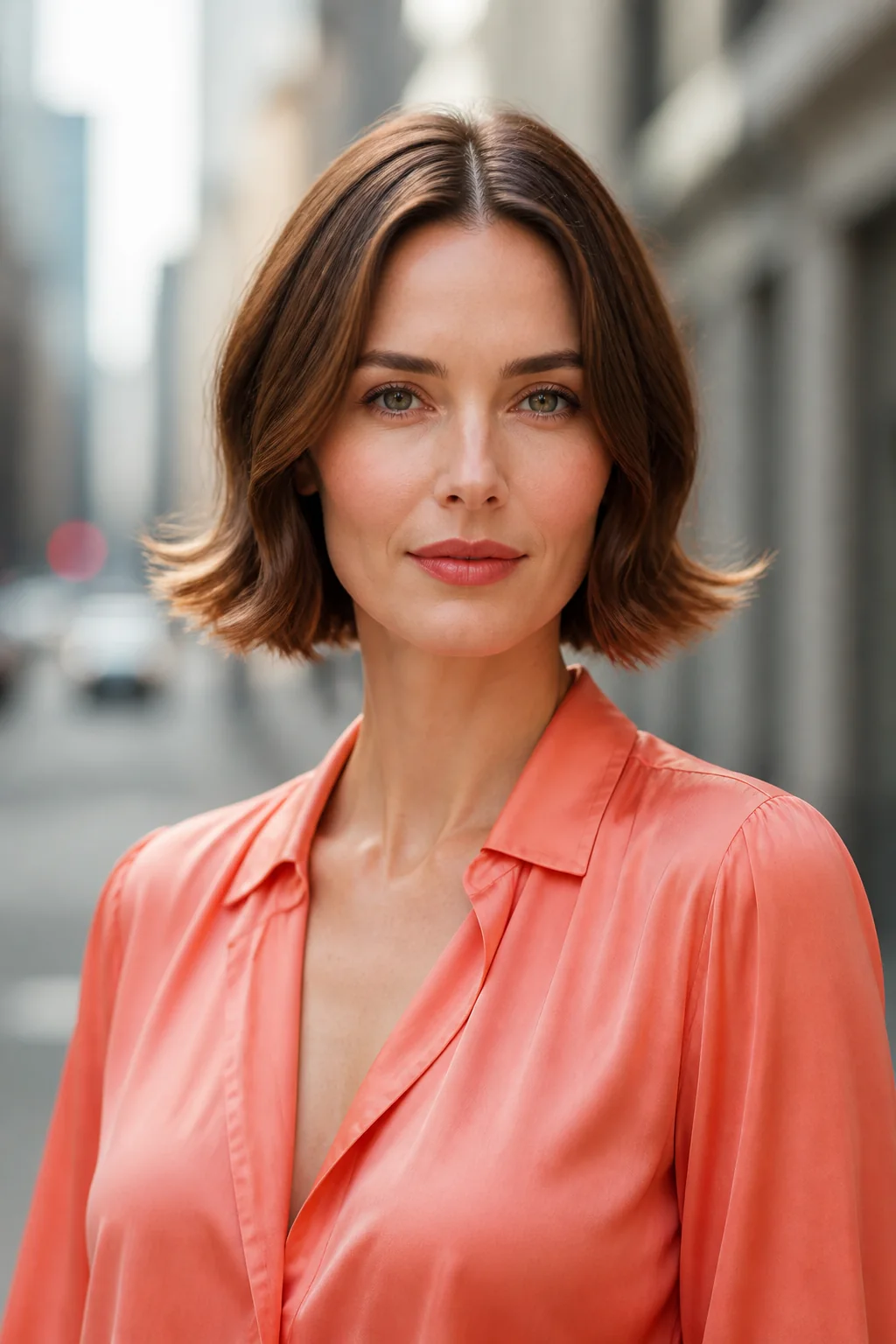
Flipped ends give a classic bob a playful, fresh finish. They suit straighter hair and take only a slight turn of a brush or iron; the secret is keeping the roots calm so the ends can do the talking.
17. Short Asymmetrical Bob
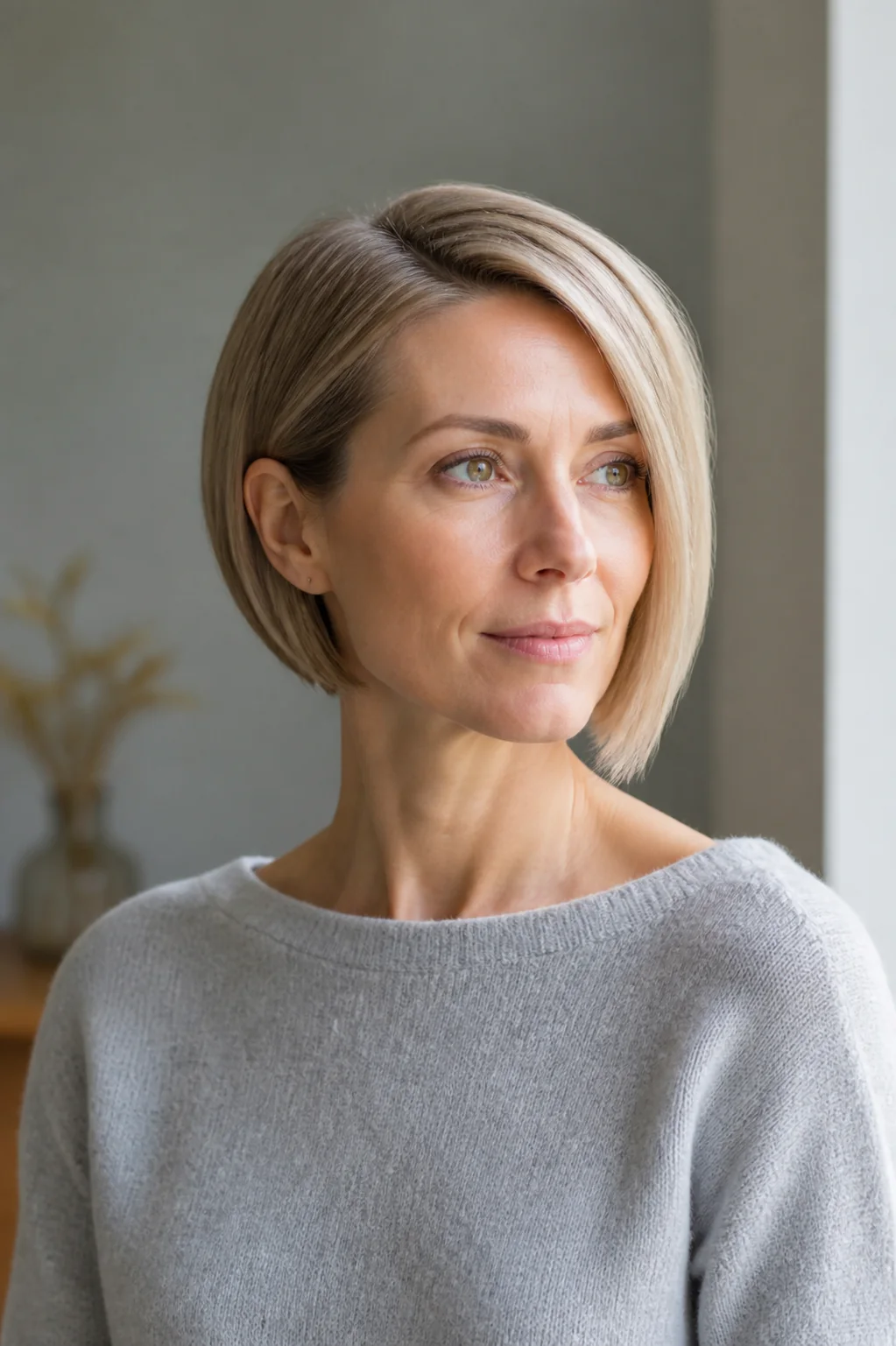
One side slightly longer gives a familiar bob an intentional twist. It can be flattering if you usually part your hair deeply, but check how the cut falls on both sides before committing to a strong difference.
18. Soft Shaggy Short Bob
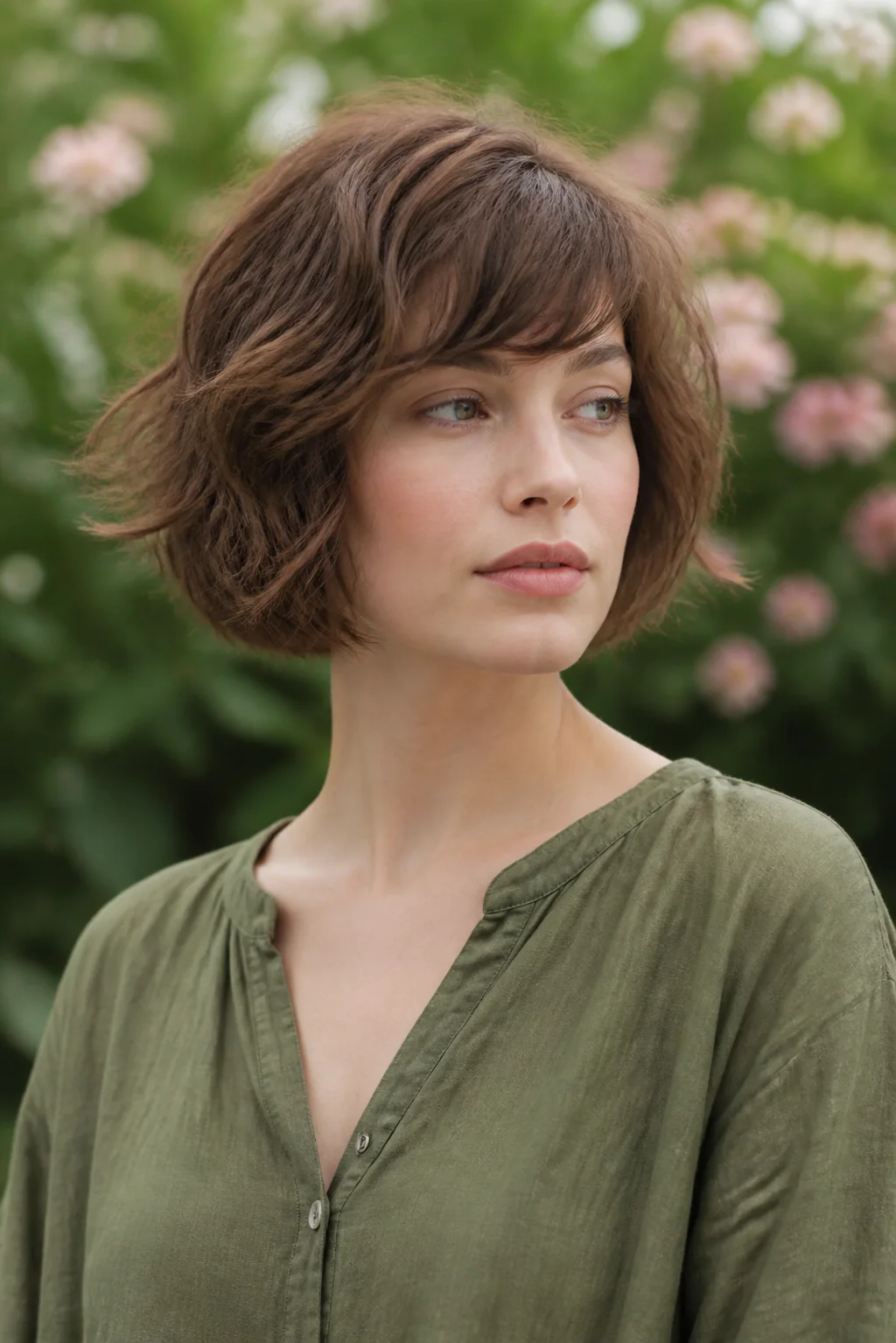
Soft layering and a side fringe make this bob look easygoing rather than severe. It is lovely for natural bend, although a good shape still needs periodic trims to keep it from becoming a generic grown-out cut.
19. Polished Short Bob With a Sculpted Nape
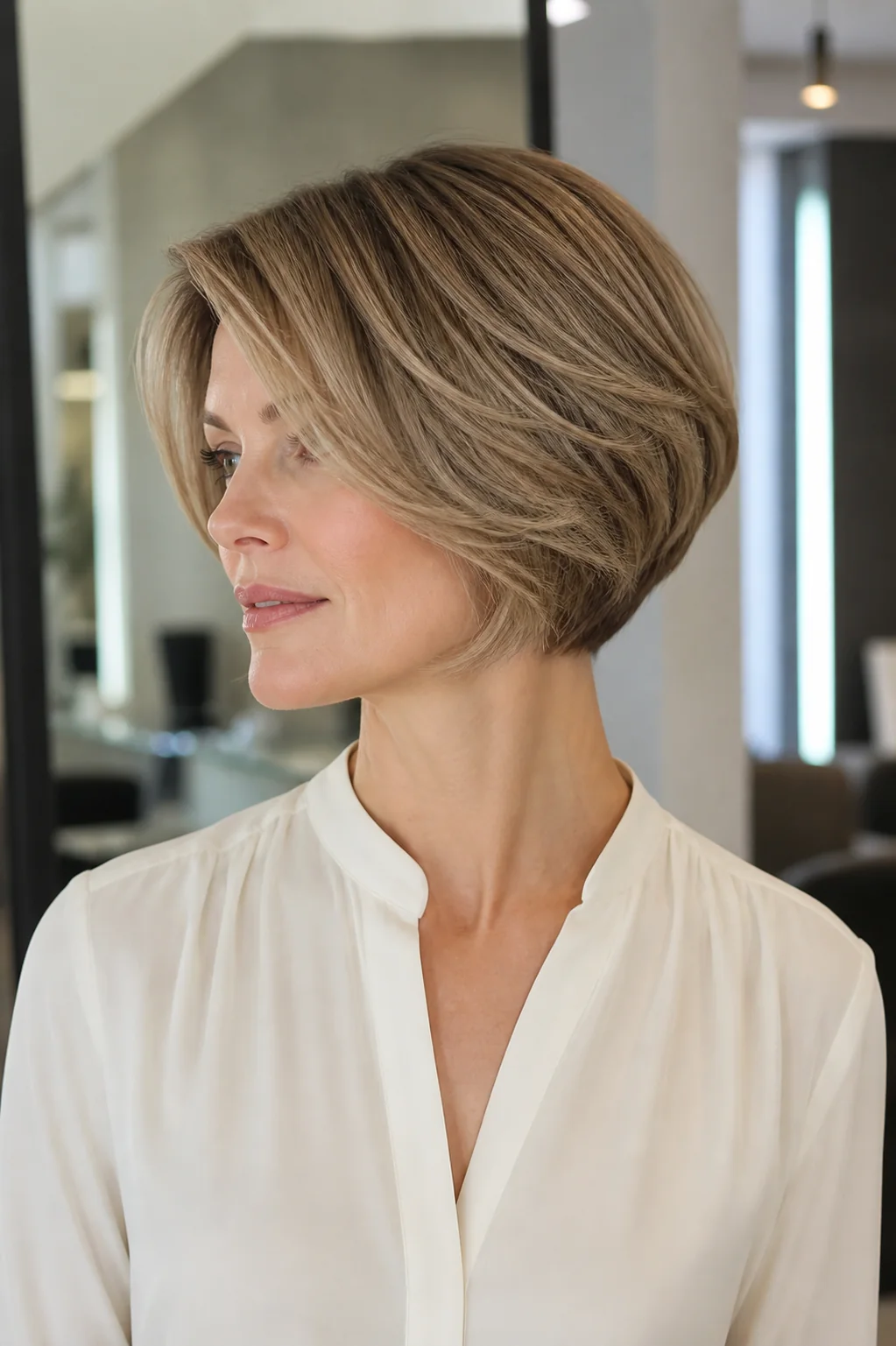
The nape is the quiet detail that makes a bob look considered from behind. A gentle undercurve gives a neat neckline and keeps the whole style compact without the dated drama of a steep stack.
20. Short Bob With a Soft Side Sweep
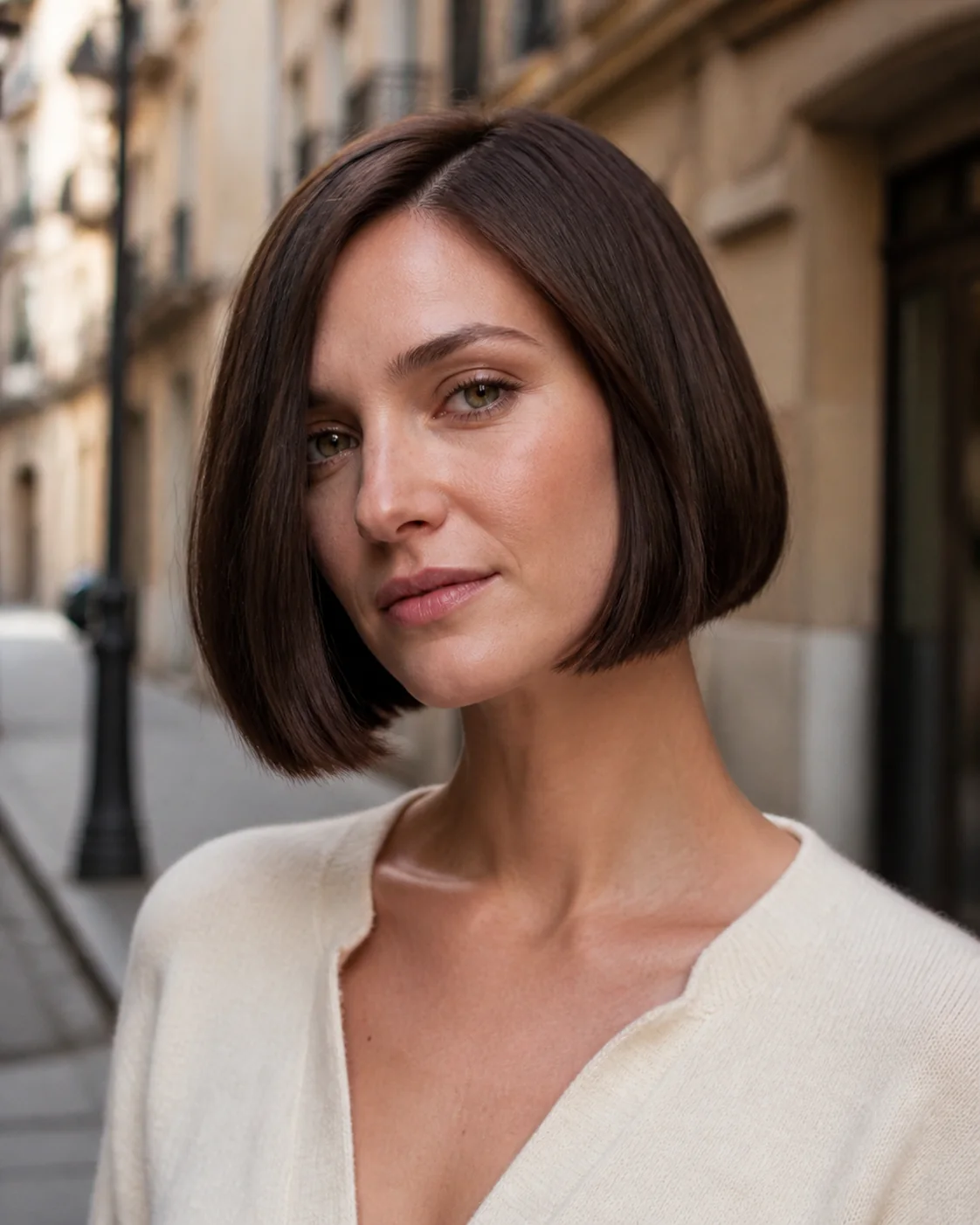
A soft side sweep opens one eye and gives a simple bob evening appeal. It needs flexible lift rather than stiff hold: direct damp roots away from the face, then leave the rest of the finish touchable.
What to Ask Your Hairdresser For
Start with your real priority: more density, less bulk, an open forehead, a shaped nape, or an easy grow-out. Then agree on the dry length, fringe, front corners and how often you are happy to return for trims. Most precise short bobs look their best with a reshape every six to eight weeks.
The right short bob should make an ordinary Tuesday feel easier, not create a new styling chore. If tying your hair back is essential or you dislike fringe maintenance, choose a longer front or an open-face version and let the haircut work with your routine.