The modern Rachel can give thin hair lively face-framing movement, but only when the layers are controlled. The goal is a recognizable flicked shape with ends that still look substantial.
A modern Rachel haircut is a softer update of the 1990s shoulder-length cut: graduated pieces frame the cheeks and jaw, the outline sits around the shoulders or collarbone, and the ends curve inward or flick outward. Unlike butterfly layers, which cascade through greater length, or a shag, which breaks up the crown and perimeter, the Rachel keeps a rounded, polished silhouette. On thin hair, fewer and longer layers are essential. A firm baseline and minimal texturizing preserve visible density, while strategic styling creates bounce. If your ends are very sparse, fragile or breaking, a blunt lob may be the more flattering choice.
Find the one that feels like you: Start with the first look and let the photographs lead. Each style explains how the shape affects your features, the mood it creates and the exact words to take to your stylist.
Quick Facts
- Keep the perimeter solid and place most movement around the face.
- Avoid aggressive thinning, razoring and too many short interior layers.
- The signature flick usually needs a round brush, rollers or a shaped natural wave.
- Trim every eight to ten weeks so fine ends do not become see-through.
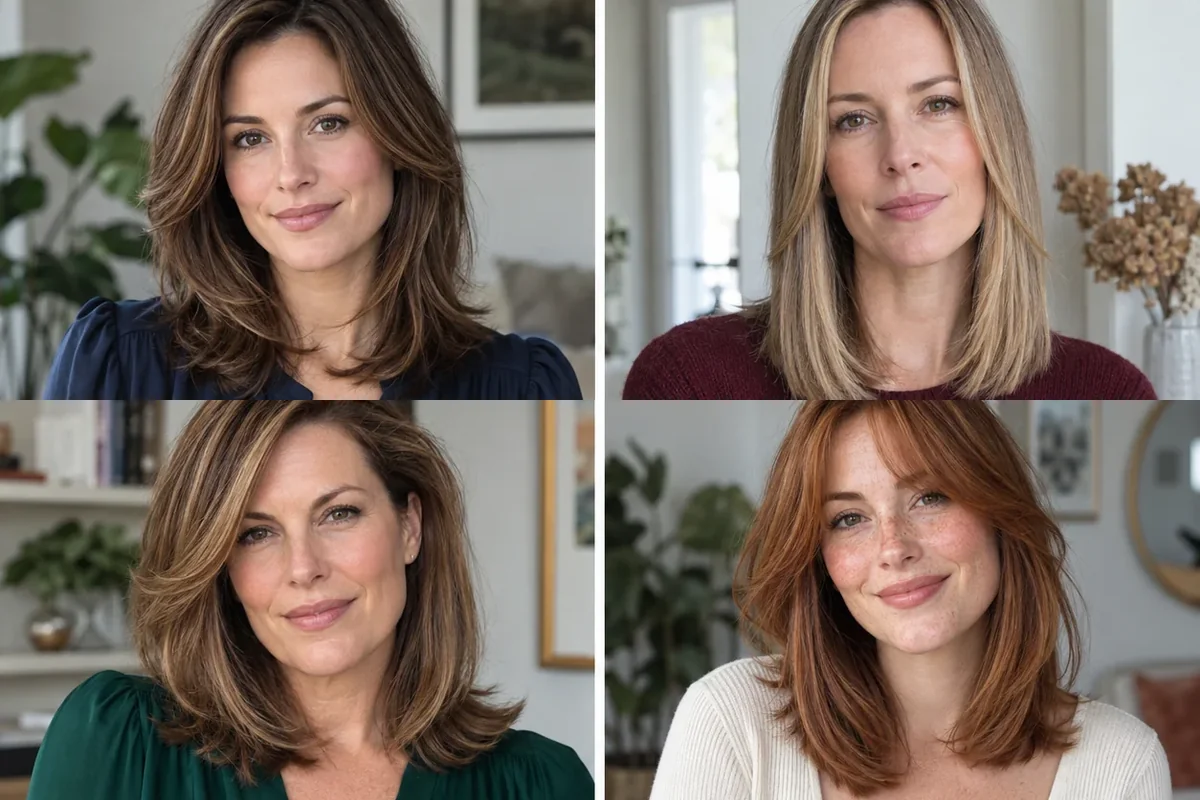
1. Classic Collarbone Modern Rachel
This version lands at the collarbone with long face-framing pieces beginning near the cheekbones and a softly rounded baseline. Keeping the shortest layers in front lets thin hair move without scattering density through the back, so the ends still look polished and substantial. The open frame can lift the cheeks and make the whole style feel confident, fresh and quietly glamorous. Ask for low-elevation cheekbone-to-jaw framing, minimal interior layering and a solid perimeter; blow-dry the front away with a medium round brush.
Ask your stylist for: Keep a solid collarbone perimeter and add low-elevation face framing from cheekbone to jaw, with minimal layers behind.
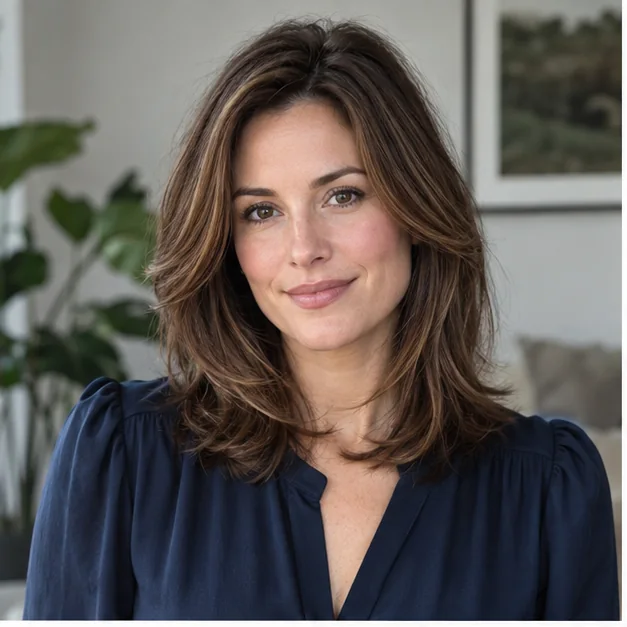
2. Blunt-Ended Rachel for Very Fine Hair

A blunt collarbone edge anchors this Rachel-inspired shape, while only two soft front sections curve away from the face. It is the safest option when strands are very fine and the lower lengths already look delicate, because movement does not require layers through the perimeter. The clean outline can make hair appear thicker and more intentional, which feels reassuring after over-layering. Ask for a one-length base with restrained cheekbone pieces and no thinning shears; use one large roller on the front and keep the rest smooth.
Ask your stylist for: Cut a blunt collarbone baseline, then add only two restrained cheekbone pieces with no thinning or internal texturizing.
3. Shoulder-Length Rachel With Side Part
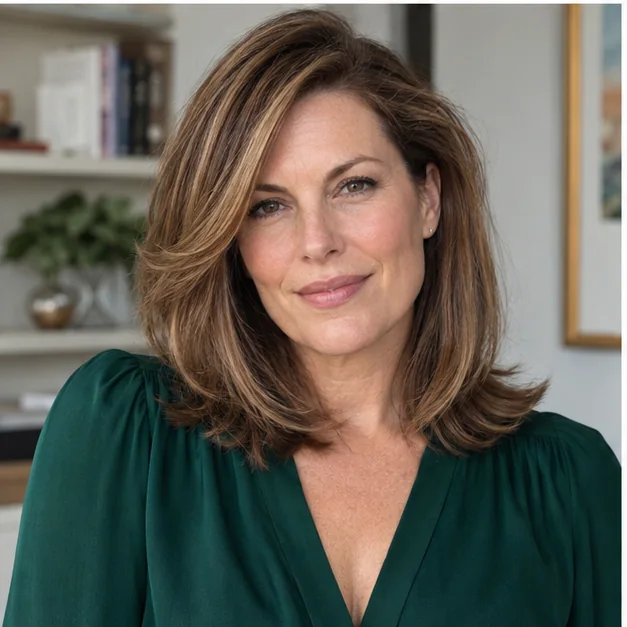
A deep side part sends the top section diagonally across the forehead before it joins jaw-level layers and a shoulder-grazing base. The shift creates instant root lift on thin straight hair without requiring short crown layers. It can soften a square jaw, highlight the eyes and feel sophisticated enough for work while still carrying that playful 1990s flick. Ask for a full shoulder perimeter, long side-swept framing and very light graduation at the front only; dry against the part first, then flip it back for height.
Ask your stylist for: Keep the shoulder-length baseline full and create long side-swept face framing that begins around the jaw.
4. Soft Rachel With Curtain Bangs
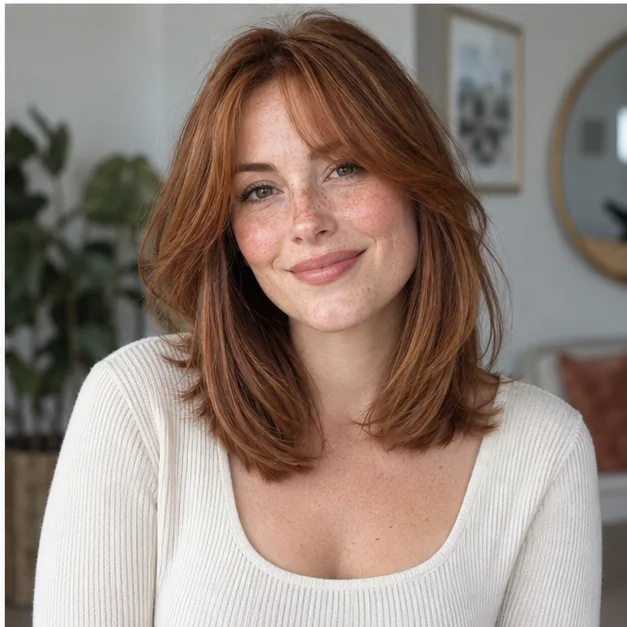
Light curtain bangs open at the center and flow into cheekbone layers above a firm collarbone edge. A shallow fringe section is important for thin hair: it frames the eyes without borrowing too much density from the sides or leaving the temples sparse. The result feels soft, romantic and approachable, with enough structure to make a simple blow-dry look finished. Ask for airy bangs from a narrow triangle, longer temple corners and front-focused layers; set the fringe on one large roller while it cools.
Ask your stylist for: Use a shallow section for airy curtain bangs and connect them into cheekbone layers above a solid collarbone perimeter.
5. Straight-Hair Rachel With Subtle Flicks
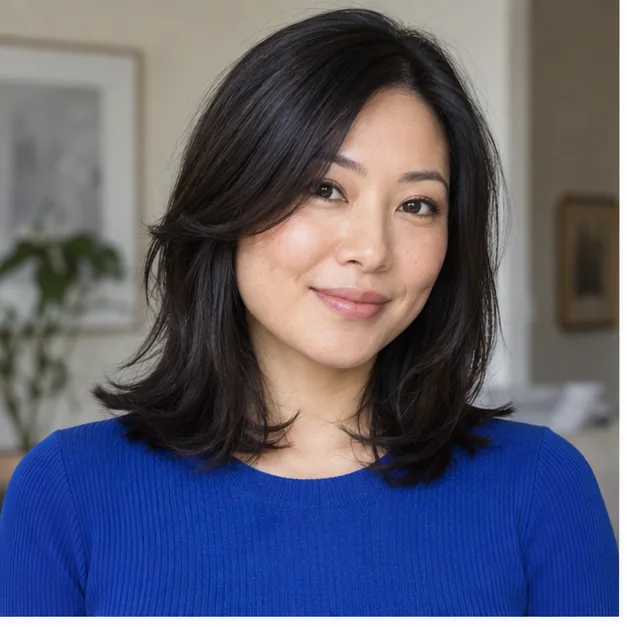
Straight, fine hair stays sleek through the lengths and turns outward only at the final inch, with gentle jaw-level framing defining the Rachel outline. The restrained bend is easier to hold than a dramatic feathered flip and keeps the cut from looking overworked. It brings controlled movement to flat hair and can make everyday styling feel polished rather than fussy. Ask for a dense shoulder edge, long connected front layers and no short crown pieces; use heat protectant and one round-brush pass, then clip the ends while they cool.
Ask your stylist for: Preserve a dense shoulder-length edge and add long connected jaw framing, with no short crown or interior layers.
Pause and notice: If the ends already look transparent, choose the perimeter before the layers. A blunt or softly beveled baseline can carry a small Rachel face frame; heavy all-over layering cannot restore density once removed.
6. Wavy Modern Rachel
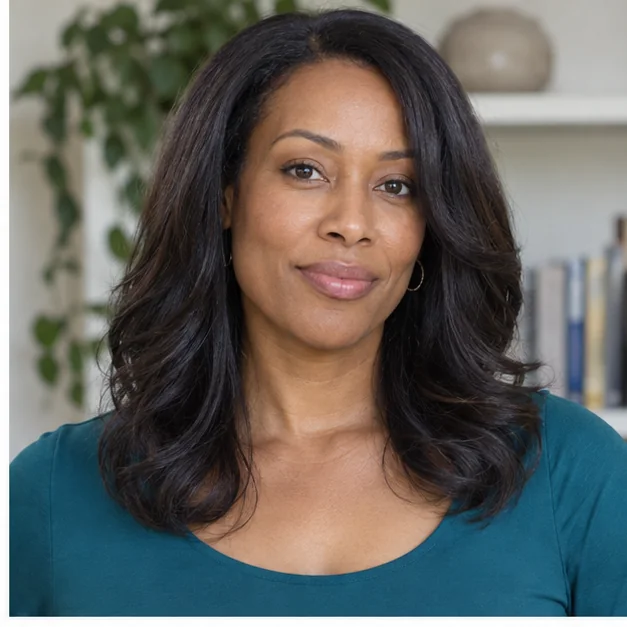
Loose natural waves settle into a collarbone shape with the strongest layers around the face and only a few longer pieces through the sides. The existing bend supplies Rachel movement, so thin wavy hair needs less cutting and less heat to look buoyant. This version can broaden a narrow face gently and feels relaxed, feminine and believable on ordinary days. Ask for dry refinement of the face frame, a weighty lower outline and layers placed around the wave rather than every section; scrunch with light foam and twist the front away.
Ask your stylist for: Refine the face frame around my natural wave, preserve a weighty collarbone outline and keep side layers long and sparse.
7. Short Modern Rachel Bob
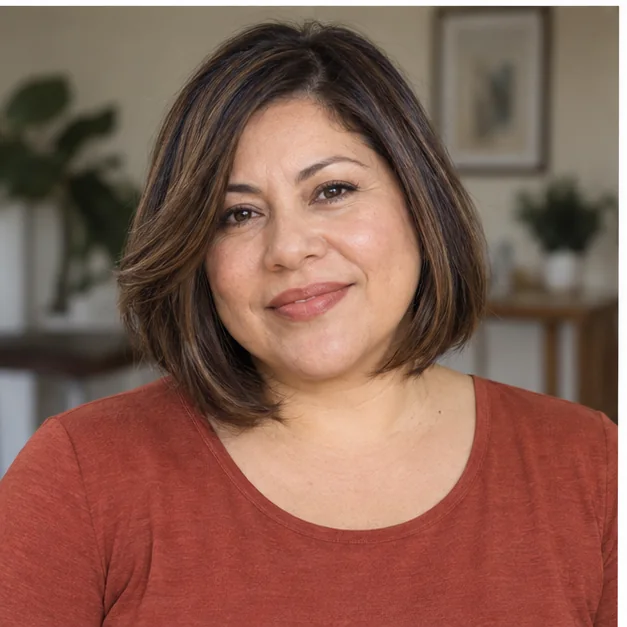
This compact version finishes just above the shoulders, with cheek-to-jaw layers curving back into a blunt bob-like base. Removing tired length can make thin ends look noticeably stronger, while the front architecture keeps the cut from reading as a plain lob. It can lift the neck, sharpen the jawline and feel energetic and modern without becoming a pixie or shag. Ask for an above-shoulder baseline with a shallow C-shaped face frame and minimal graduation; style the front outward and turn the lower edge slightly under.
Ask your stylist for: Cut a blunt above-shoulder base with a shallow C-shaped cheek-to-jaw frame and minimal graduation.
8. Long Rachel With Density-Saving Layers
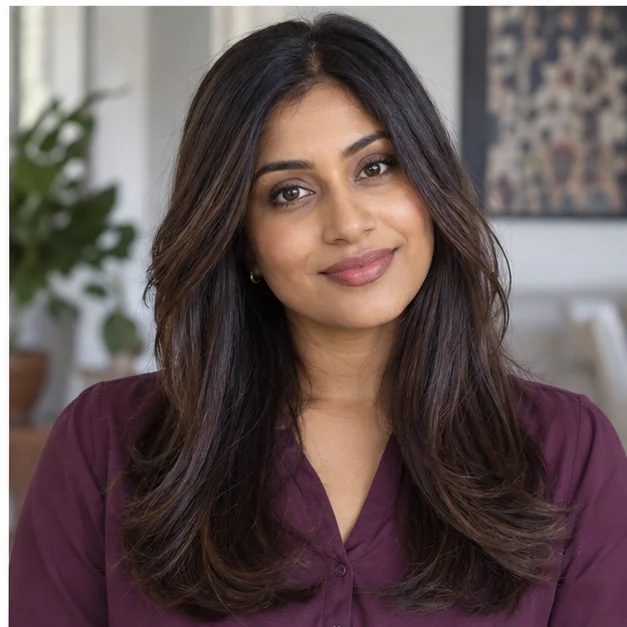
Long hair keeps its length below the shoulders, but the Rachel effect is confined to cheekbone, jaw and collarbone pieces at the front. This gives someone reluctant to lose length a recognizable frame without distributing short layers through already-thin ends. The vertical line can flatter a round face and feels glamorous, familiar and easier to grow out than a heavily layered cut. Ask for a strong U-shaped perimeter, three graduated face-framing lengths and no elevation through the back; use large rollers only around the hairline.
Ask your stylist for: Keep a strong long U-shaped perimeter and create three graduated face-framing lengths without layering the back.
9. Modern Rachel With Wispy Bangs
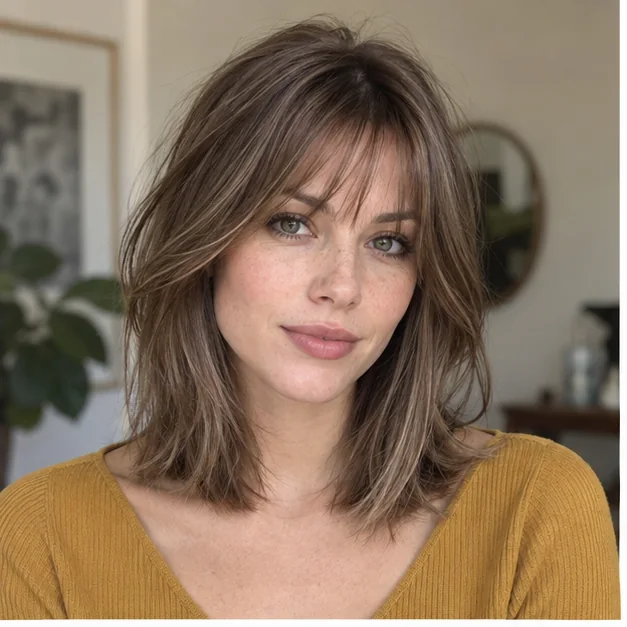
Separated brow-skimming bangs blend into cheekbone pieces while the remaining hair holds a clean shoulder-length edge. Wispy bangs can suit thin hair when the section stays narrow, because transparency looks intentional and the sides retain their fullness. The soft fringe draws attention to the eyes and can feel youthful, playful and forgiving as it grows. Ask for a light narrow fringe with longer corners, front-only layering and untouched density behind the ears; dry the bangs first and avoid coating them in heavy serum.
Ask your stylist for: Take a narrow section for separated brow bangs, keep longer corners and preserve all density behind the ears.
10. Round-Face Rachel With Longer Front Pieces
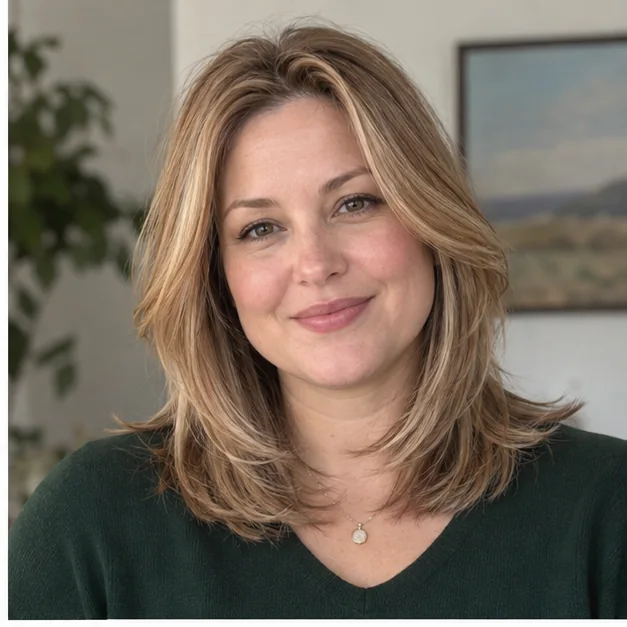
The first visible layer begins below the fullest part of the cheeks and sweeps toward the collarbone, keeping the upper sides smooth. That lower starting point adds vertical direction instead of width beside a round face, while a strong perimeter gives thin hair reassuring weight. The balanced outline can feel elegant and confidence-building without trying to hide natural softness. Ask for long framing from below the cheekbones, a slightly off-center part and no short temple layers; direct the front downward before giving the ends a gentle outward turn.
Ask your stylist for: Begin the face frame below the fullest cheek, keep the temples smooth and preserve a solid collarbone baseline.
Pause and notice: The signature flick is partly styling. Ask your stylist to show the unstyled shape so you know whether the haircut still looks balanced on an ordinary day.
11. Long-Face Rachel With Cheek-Level Volume

Cheek-level curves and a shoulder-skimming base create soft width through the middle of this Rachel shape. On a longer face, outward movement can balance vertical proportions, while keeping the crown smooth prevents extra height. Thin hair benefits from the compact length and a baseline thick enough to swing. The result feels poised, flattering and buoyant. Ask for front layers that crest at the cheeks, a shoulder-grazing blunt perimeter and no crown lift; set the sides on horizontal rollers and brush them out gently once cool.
Ask your stylist for: Build cheek-level face-framing curves over a blunt shoulder base and avoid height or short crown layers.
12. Rachel With Tucked Sides
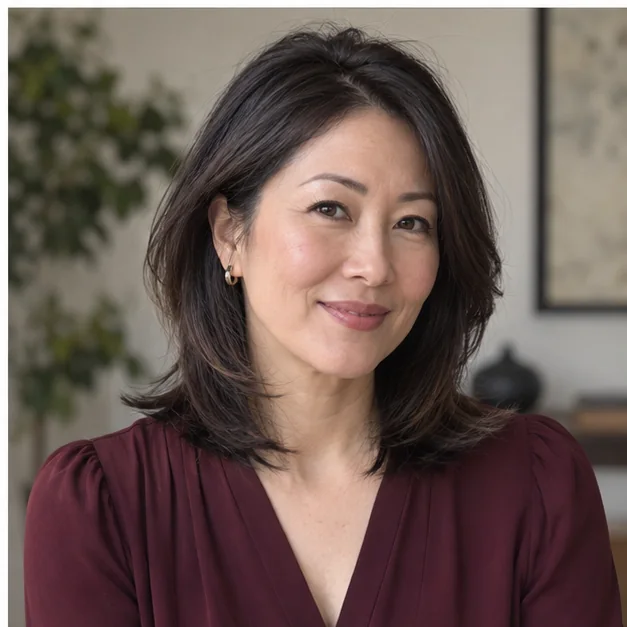
Long front layers sweep behind the ears before the ends flick at the shoulders, revealing the cheekbones without cutting a full fringe. The tuck creates a polished contour and makes limited density look deliberate rather than asking thin side sections to provide constant volume. It feels composed, professional and simple to refresh during the day. Ask for ear-tuck-friendly temple length, jaw-level front layers and a solid shoulder outline with no undercutting; use root spray near the part and bend only the exposed ends with a brush.
Ask your stylist for: Leave enough temple length to tuck securely, add jaw framing and keep the shoulder perimeter solid and unthinned.
13. Low-Maintenance Air-Dried Rachel
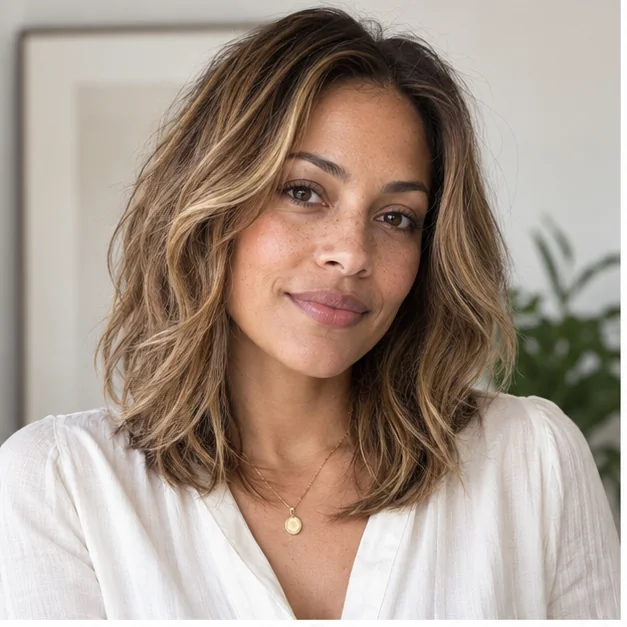
Long, sparse layers follow a natural bend around the jaw and shoulders, creating a relaxed Rachel outline without a full round-brush set. This works best when thin hair already forms a soft wave, because the cut cooperates with that pattern instead of depending on manufactured volume. It looks effortless, touchable and calm, which can make the style feel sustainable. Ask for dry cutting around the natural bends, only a few face-framing pieces and a weighty perimeter; apply mousse at the roots, twist the front away and leave it while drying.
Ask your stylist for: Shape a few long face-framing pieces around my air-dried bend and keep the rest weighty and minimally layered.
14. Polished Rachel With Inward-Curved Ends
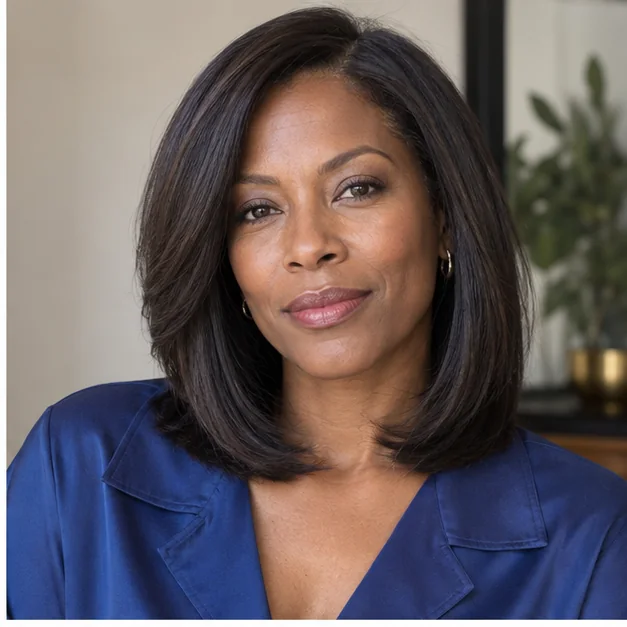
Instead of the familiar outward flip, this polished version curves the perimeter gently under while cheekbone layers sweep back. The inward base makes thin ends gather into one smooth line, creating a denser appearance and a more understated office-ready finish. It can make the jaw look refined and feels sophisticated, controlled and quietly expensive. Ask for a collarbone baseline with a soft bevel, limited face framing and no point-cutting into the lower edge; dry the baseline under, then direct only the front sections away.
Ask your stylist for: Create a softly beveled collarbone baseline with limited cheekbone framing and no point-cutting into the lower edge.
15. Textured Rachel With Piecey Front Layers
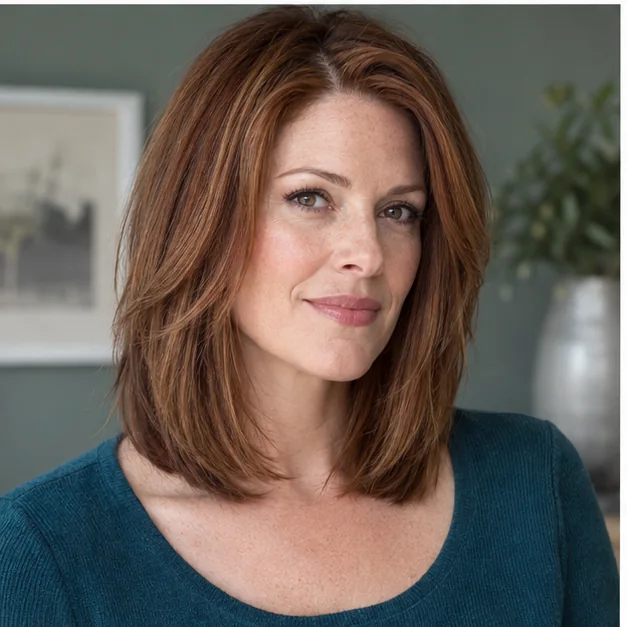
Defined cheek-to-jaw pieces separate at the front, while the back remains smooth and the shoulder baseline stays visibly dense. The contrast gives fine hair texture where it is most noticeable without turning every end wispy. It suits someone who likes a slightly undone finish and can feel lively, creative and less formal than a classic blowout. Ask for point-cutting only through the front framing, long untouched layers behind and a firm perimeter; use a tiny amount of light paste on selected front tips rather than roughing up the whole cut.
Ask your stylist for: Texture only the cheek-to-jaw face frame, leaving the back layers long and the shoulder perimeter firm.
Pause and notice: Fine describes strand diameter; thin describes the amount of hair. Fine but dense hair may tolerate more layers, while coarse but sparse hair may need a stronger perimeter.
16. Modern Rachel Over 50

A soft shoulder outline pairs with cheekbone lift and longer jaw pieces, giving mature thin hair movement without excessive feathering. The controlled frame can brighten the eyes and soften the lower face, while the solid edge respects strands that may be finer or more fragile than before. It feels elegant, current and confident rather than like a 1990s costume. Ask for low-elevation face framing, a substantial shoulder line and gentle scissor work only; use root foam and large Velcro rollers instead of repeated high heat.
Ask your stylist for: Keep a substantial shoulder line and add low-elevation cheekbone-to-jaw framing with gentle scissor work only.
17. Root-Lift Rachel for Flat Hair

The haircut stays conservative, but an off-center part and long crown sections are styled upward before flowing into the face frame. This gives flat thin hair visible height without short layers that can expose the scalp or collapse between washes. The lifted profile feels energetic and glamorous, yet substantial ends keep it believable. Ask for long crown weight, jaw framing and a full collarbone perimeter, making clear that you want styling lift rather than extra layering; dry roots in the opposite direction and set the top on two large rollers.
Ask your stylist for: Preserve long crown weight, add jaw framing and keep a full collarbone perimeter; create lift through styling, not short layers.
18. Modern Rachel With Soft Highlights
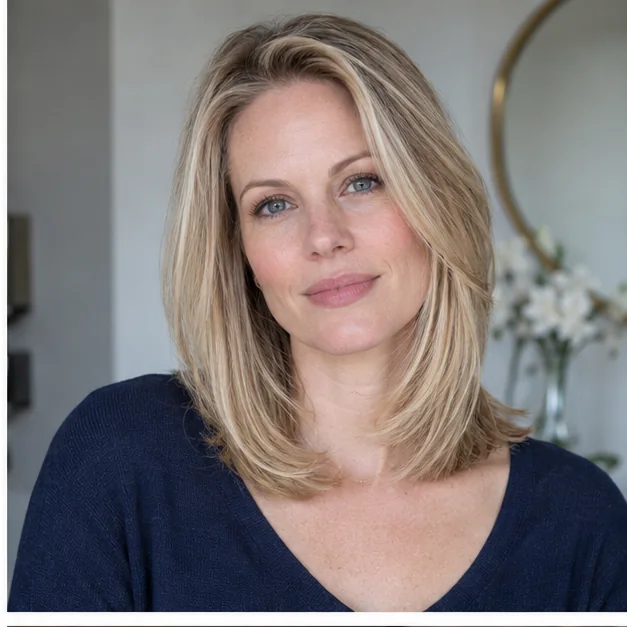
Fine ribbons of light sit around the face and through the surface, emphasizing curved layers without harsh stripes or a shadowy, see-through base. Thoughtful dimension can make the Rachel movement easier to see and give thin hair fuller visual texture, especially when the root remains softly natural. The finish feels luminous, polished and special without a dramatic color change. Ask for a dense collarbone cut with restrained framing plus delicate surface highlights and a soft root; keep lightener away from fragile ends and alternate color appointments with conditioning trims.
Ask your stylist for: Pair restrained Rachel framing with delicate surface and face highlights, preserving a soft root and avoiding fragile ends.
19. Grow-Out-Friendly Long Rachel
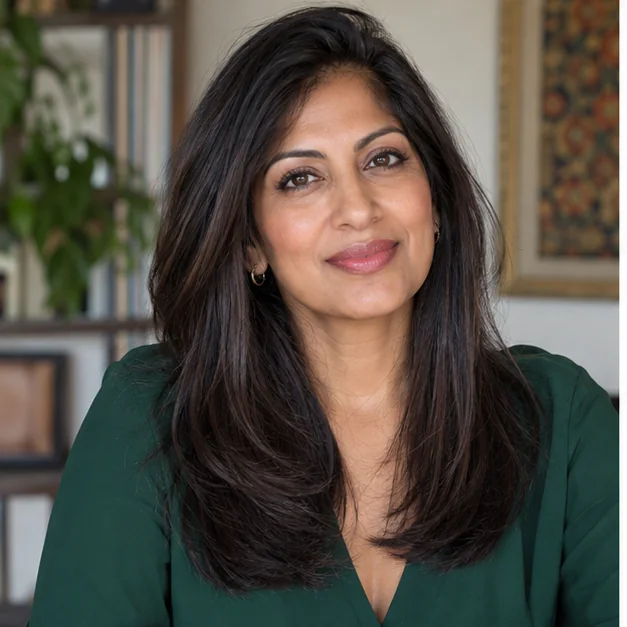
The shortest pieces begin at the jaw and connect gradually into a below-shoulder perimeter, so there are no abrupt layers to manage during grow-out. It offers a softer Rachel impression now and can become ordinary long framing later without months of awkward gaps. Thin hair keeps maximum density through the back, and the versatile shape feels safe, graceful and low-pressure. Ask for jaw-to-collarbone front graduation, a long blunt perimeter and no disconnected crown pieces; maintain the front every ten weeks or let it merge naturally as the cut lengthens.
Ask your stylist for: Graduate only the front from jaw to collarbone, keep the long perimeter blunt and avoid disconnected crown pieces.
20. Evening Rachel With Brushed-Out Bounce
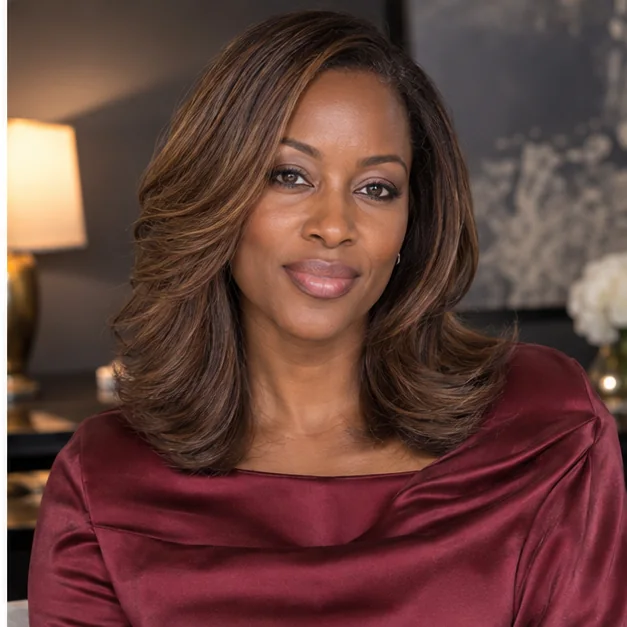
Large, softly brushed curves amplify the cheek and shoulder layers for an evening Rachel, while the perimeter remains smooth rather than teased. Rollers create temporary fullness without requiring aggressive layering, which is kinder to thin ends. The sweeping shape can feel glamorous, celebratory and confidence-boosting, yet it brushes back into a simpler style the next day. Ask for a density-preserving collarbone cut with long framing; set nearly dry hair on large rollers, allow it to cool completely and separate with fingers instead of a dense brush.
Ask your stylist for: Keep the collarbone cut density-focused with long framing that can hold large brushed curves for special occasions.
Before You Book the Appointment
A successful salon visit begins with the overall shape, construction and upkeep—not only the finished length. Use this quick reality check before choosing your final reference photograph.
- Best for: Fine-to-medium strands with light-to-moderate density and enough strength to hold a bend.
- Choose by: Density at the perimeter, face shape, natural texture and willingness to style the front layers.
- Everyday effort: Most versions need five to fifteen minutes of directed drying or rollers; softer wavy versions can air-dry.
- Salon rule: Request long, low-elevation face framing and a visibly solid baseline, with no automatic thinning.
Is a Modern Rachel Good for Thin Hair?
It can be when the adaptation is conservative. The safest versions keep a blunt or softly beveled baseline and concentrate long layers around the face. Very sparse, fragile or broken ends usually look fuller in a one-length lob, so an honest consultation matters more than the trend name.
What to Ask for at the Salon
Bring front, side and back references with density close to yours. Request shoulder or collarbone length, low-elevation cheekbone-to-jaw framing, a solid perimeter and minimal texturizing. State clearly that you do not want thinning shears, a razor or short crown layers unless your density can support them.
Styling, Maintenance and Grow-Out
Use root foam sparingly, direct the front away with a medium round brush or large rollers and let every section cool before separating it. Trim every eight to ten weeks. During grow-out, keep the baseline tidy and allow the front layers to merge into a lob.
Choose the Version That Matches Your Routine
A dramatic flick needs repeat styling; natural waves and subtle framing need less. Decide whether your priority is root lift, a stronger perimeter, face-shape balance or nostalgia, then choose the lightest amount of layering that delivers it.