There’s a moment when a bob swings away from your cheek and the little layers catch the light. If that’s the detail you keep saving, take a closer look at where the pieces start and how much hair is left at the ends. Those two choices can make the difference between a cut you’ll love on wash day and one you only love after a blowout.
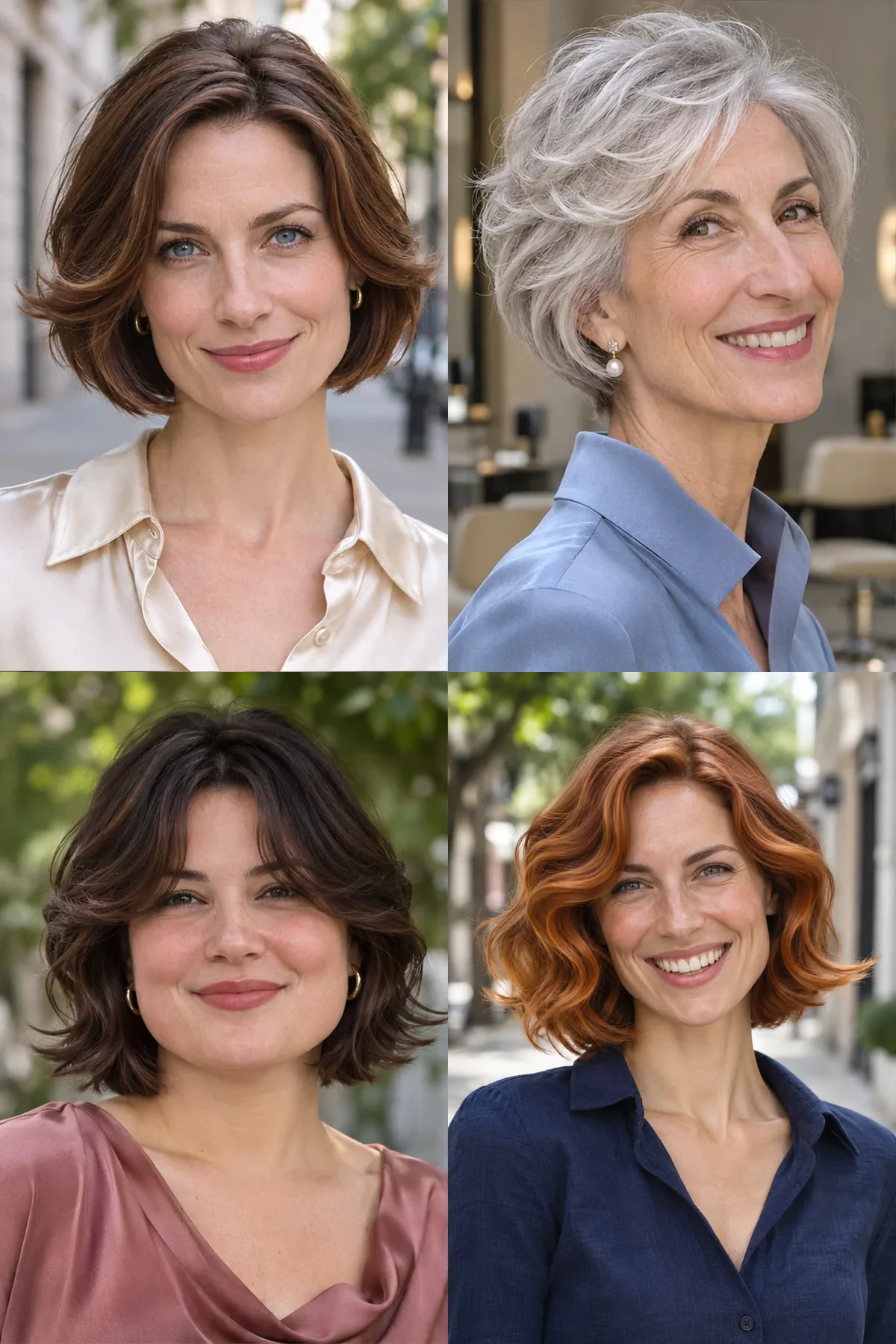
A feathered bob is a short to medium bob with layers that taper into soft, separate tips. You’ll usually see those tips sweep back from the face, lift at the crown, or flare gently at the ends. A blunt bob keeps a stronger, more continuous bottom edge, while a stacked bob builds a shelf of weight at the back. A feathered bob can borrow either outline. The giveaway is how the surface layers fan out and soften it.
Find the one that feels like you: Start with the first look and let the photographs lead. Each style explains how the shape affects your features, the mood it creates and the exact words to take to your stylist.
Quick Facts
- Choose the dry length first, then decide where the layers should move.
- For fine or low-density hair, protect the bottom edge and feather a smaller section.
- Check where your crown and front hair naturally fall before cutting bangs.
1. The Jaw-Length Bob With Cheekbone Flicks
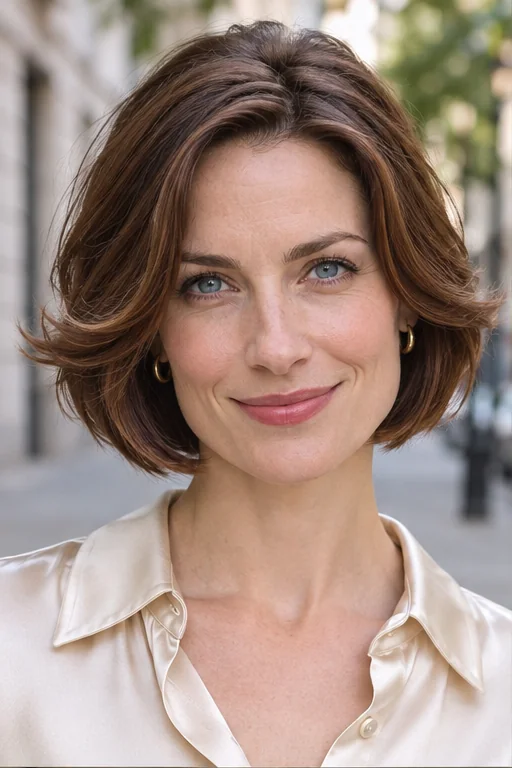
The little sweep beside each cheekbone is what gives this jaw-length bob its lift. The longest hair still traces the jaw, while the shorter pieces turn back and leave the cheekbones and earrings in view, a small detail that can make getting dressed feel more fun. It’s an easy shape to read on straight hair with a little body, though the flick may need a quick reset after sleep. Use a small round brush on just the front sections, and ask for cheekbone-length pieces that blend back into a jaw-length outline.
Ask your stylist for: Set the outline at my jaw and start the face frame at my cheekbones. Blend those pieces back into the sides.
2. The Fine-Hair Bob With a Full Bottom Edge
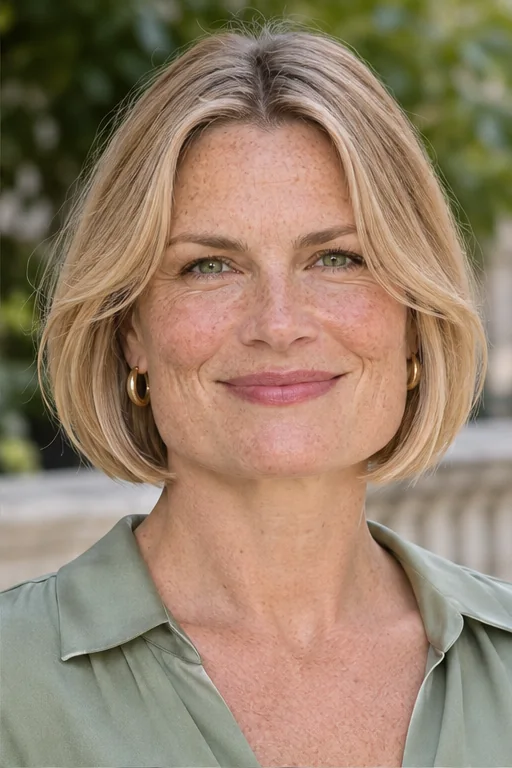
If you like feathering but worry that your ends will look sparse, start with the part of the cut you want to keep full. This chin-length bob has a solid edge, with just a few tapered pieces sweeping away from the face, so the hair looks fuller at the bottom and still moves when you turn your head. It can feel refreshingly tidy on days when you have time to dry the front and little else. Ask for a shallow face frame and a dense perimeter, and skip heavy creams that make fine ends clump.
Ask your stylist for: Keep the chin-length edge dense. Feather only a shallow section at the front and leave the lower sides intact.
3. The Short Feathered Bob With Crown Lift
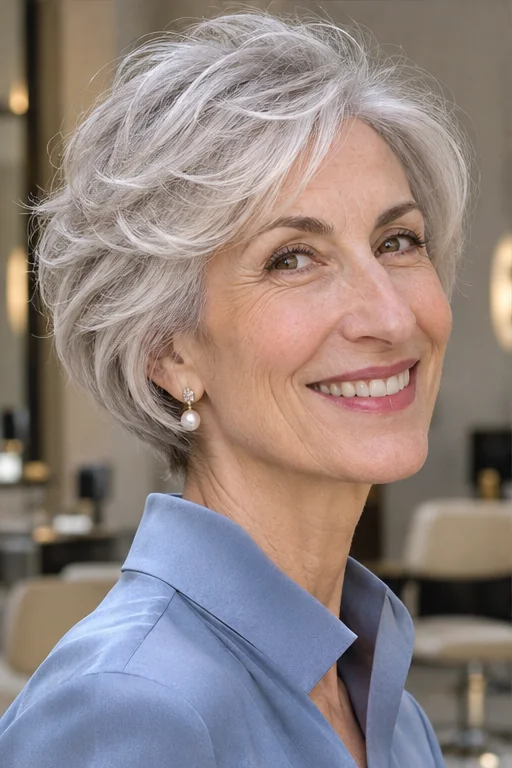
From the side, this bob curves up at the crown and fits neatly around the nape, where the ends sit above most shirt collars. That higher point draws the eye up and can make a short cut feel jaunty when the rest of your look is simple. If your crown tends to flatten, dry the roots in the opposite direction first and let them cool before smoothing the surface. At the salon, ask for a compact nape, visible feathered crown layers and enough length over the ears to keep the shape in bob territory.
Ask your stylist for: Give me a soft, compact nape and enough length over the ear to read as a bob. Layer the crown and taper the tips.
4. The Feathered Bob With Side-Swept Bangs
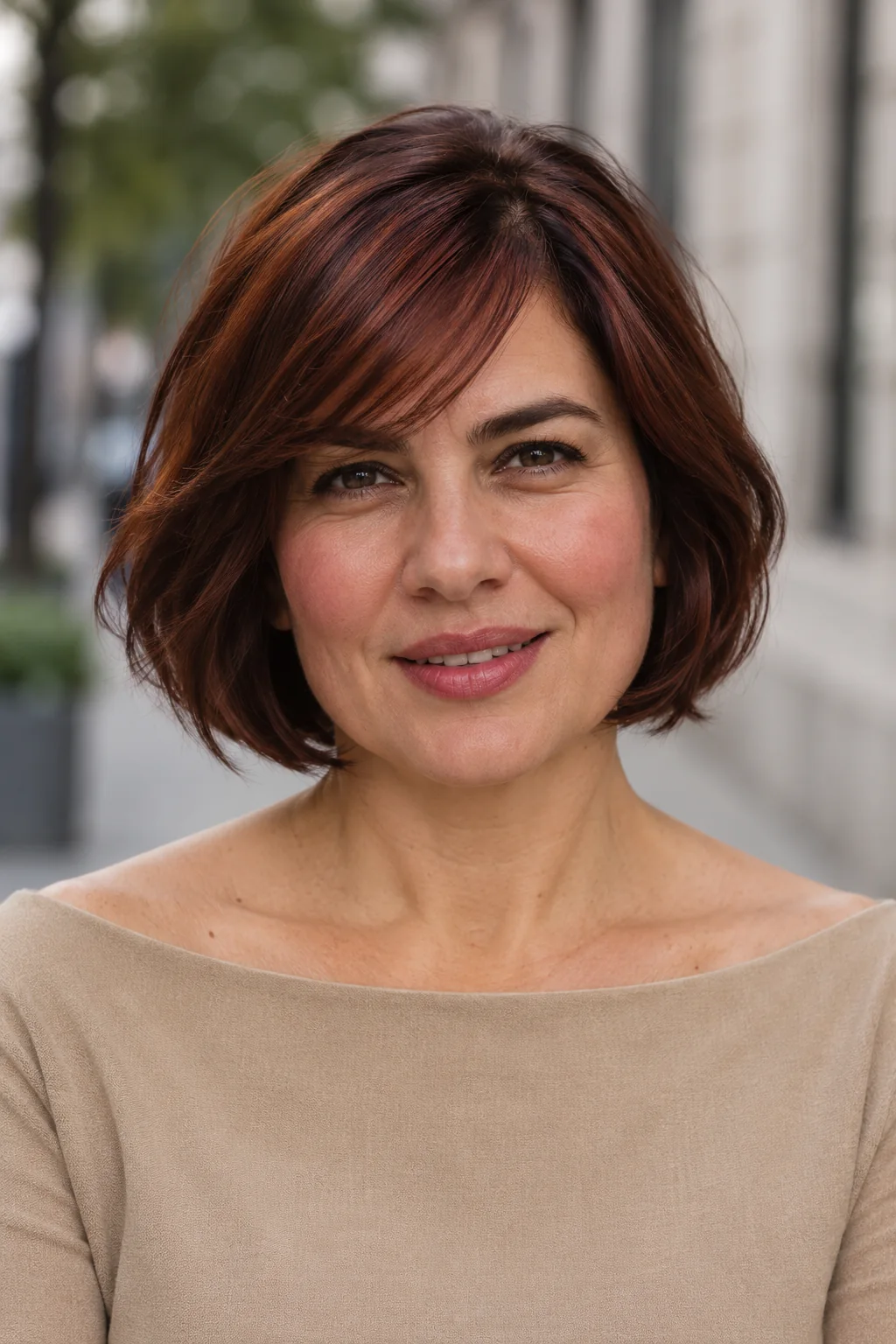
A soft diagonal across the forehead gives this bob an entirely different profile from a center-parted cut. The fringe travels past one eyebrow and blends into tapered jaw-length ends, which puts the focus on one eye and gives a simple workday bob a slightly dressed-up feel. If you already have a strong part or a front cowlick, follow that direction and dry the fringe before the rest of your hair. Ask for a light, brow-length side fringe with a long outer corner, and check that the shortest pieces stay clear of your lashes.
Ask your stylist for: Cut a light side fringe in the direction my hair grows. Blend it from brow level into the longer side at my jaw.
Pause and notice: Save one front view and one side view. The front shows where the feathers frame your face, and the side makes it easier to point to the crown height or nape shape you want.
5. The Feathered Bob With Open Curtain Bangs
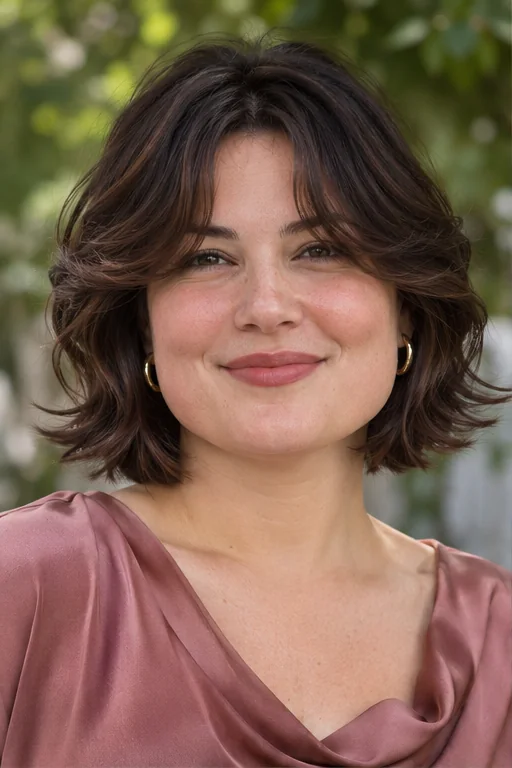
Curtain bangs make room for your eyes and brows while giving the upper half of the bob some shape of its own. On this neck-length cut, the open center is short enough to see clearly, and the sides sweep into feathers at the cheekbones, so the whole front feels soft and a little flirtier than a long face frame. It suits hair that parts easily, especially if you’re willing to dampen and reset the fringe on mornings when it falls flat. Ask for a shallow fringe section and point to where the short center and longer sides should land when dry.
Ask your stylist for: Leave the middle of the fringe open, start the shortest pieces at my brows, and taper the sides through the cheekbones.
6. The Feathered Bob That Follows Natural Waves
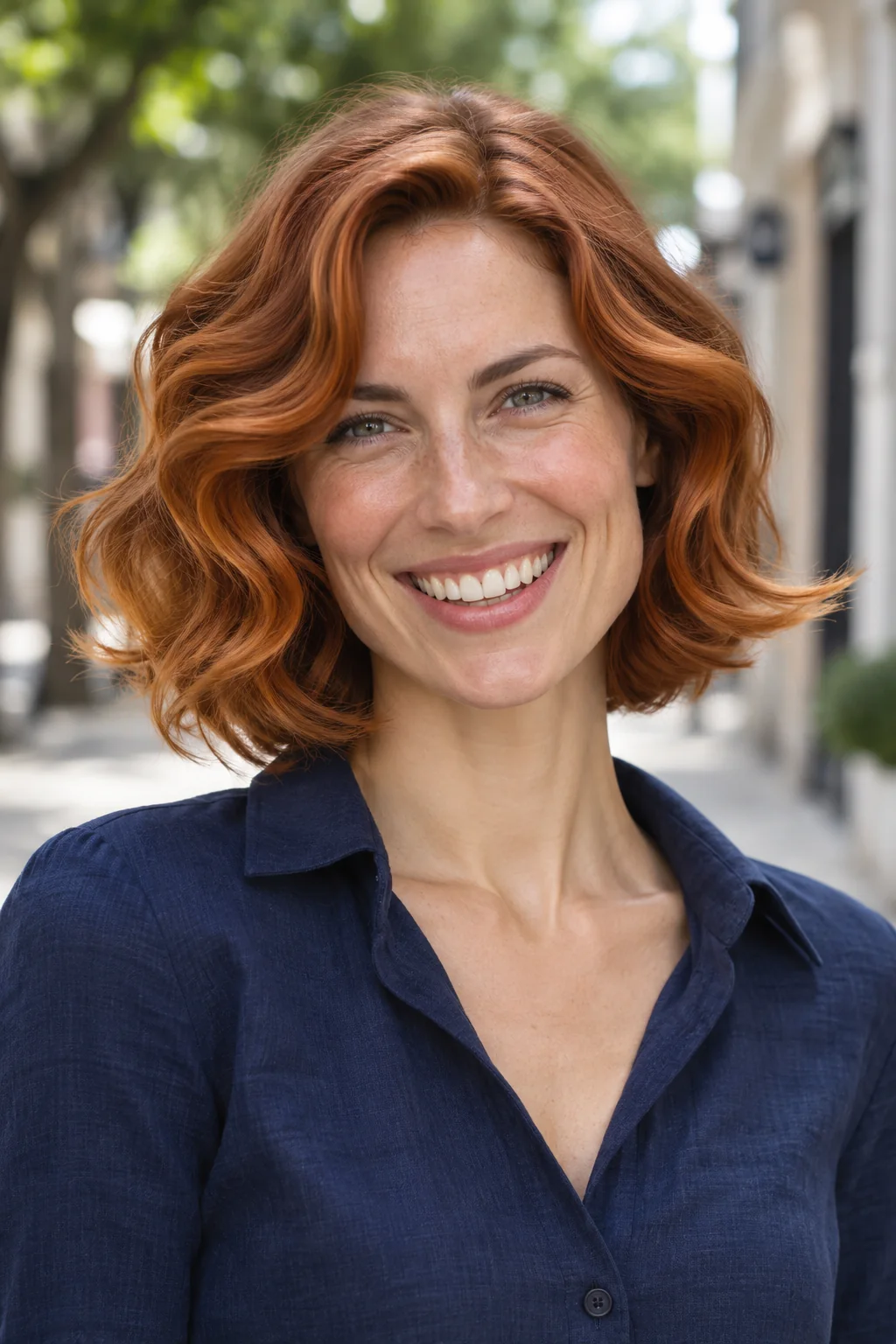
The easiest place to put a feathered layer is often where your hair already wants to turn. On this wavy bob, the bends carry the tapered tips away from the cheeks and break up the edge below the jaw, leaving you with a relaxed shape that still feels intentional on an air-dry day. Ask for the length to be checked dry and for the layers to end near the strongest bends, especially if one side springs up more. A small amount of foam on damp ends can help the waves stay together without making them stiff.
Ask your stylist for: Check the waves dry, cut the longest pieces just below my jaw, and taper the ends where the waves already turn.
7. The Thick-Hair Bob With Lighter Lower Sides
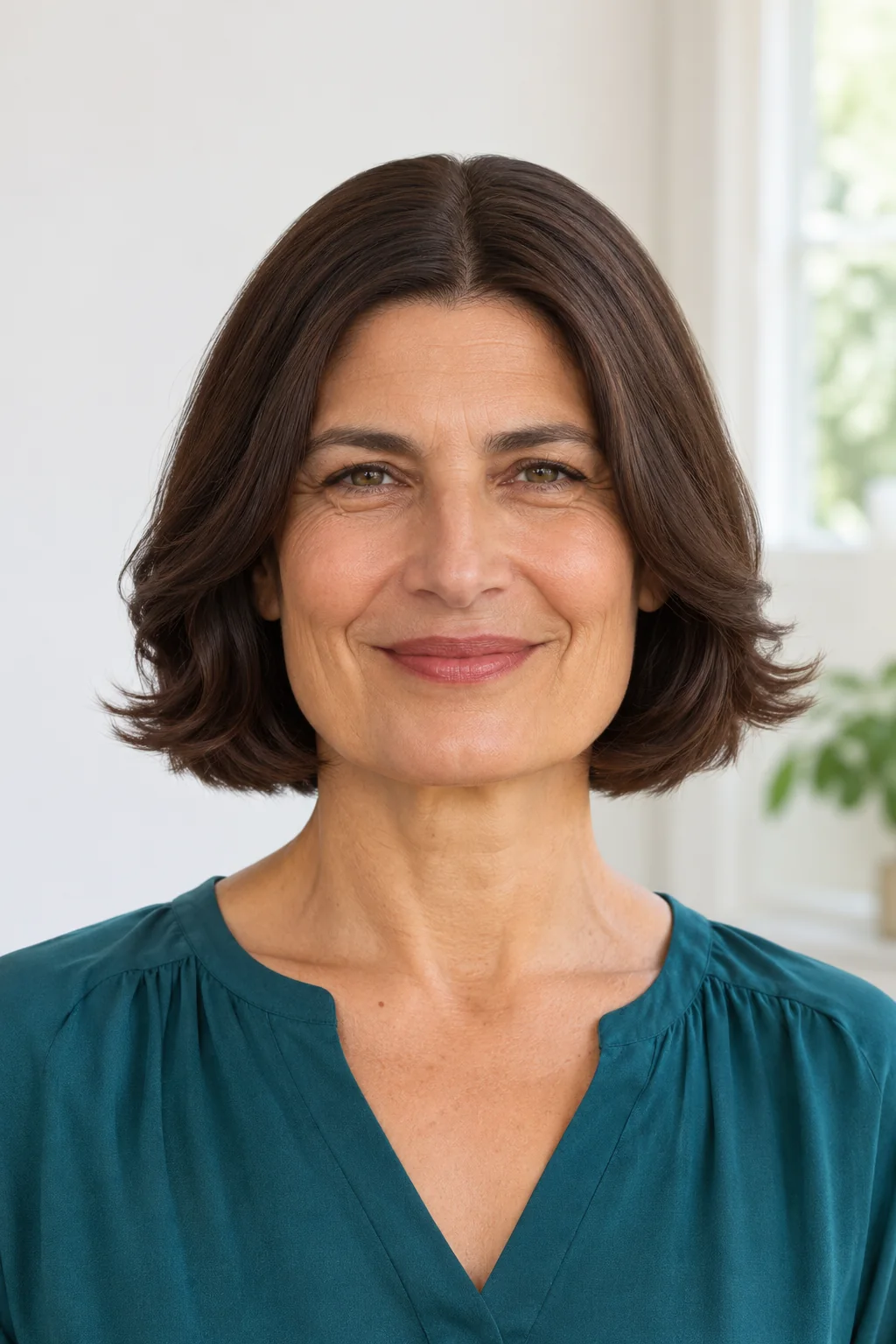
Thick hair can swing beautifully in a bob until all the weight lands in one place beside the jaw. This version keeps the crown smooth and puts the visible feathers lower down, so the sides move without ballooning around the cheeks and the cut feels easy to wear with a scarf or high collar. Ask your stylist to show you where the weight sits and release it below the ears while keeping the surface long. Dry the dense underside first, then let the top fall over it before deciding whether the ends need a brush.
Ask your stylist for: Leave my crown long, take weight out below the ears, and keep the tapered layers long enough to settle into the ends.
8. The Longer Feathered Bob That Clears the Shoulders
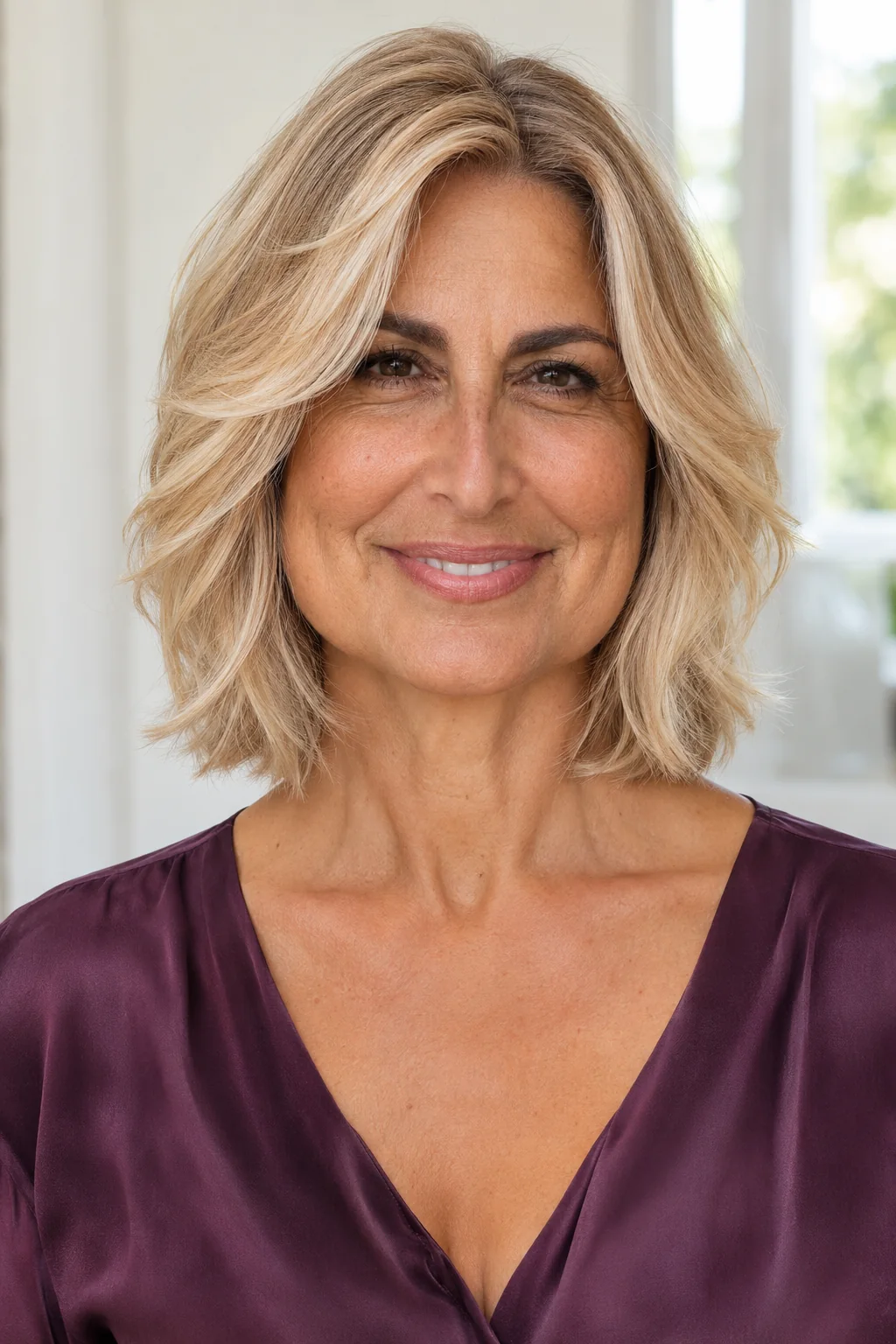
If a chin-length cut feels like too big a jump, try the feathering at the longer end of the bob family. The hem sits just above the shoulders, with tapered pieces that start below the cheekbones and swing clear of a jacket collar, so you get movement and the reassuring feel of some length around your neck. It works best when the layers are long enough to move together and the hem has room to fall freely. Bring your usual jacket to the consultation and ask the stylist to check the length and the longest feathers while you’re standing.
Ask your stylist for: Cut the hem where it clears my shoulders and taper long layers from below my cheekbones into the ends.
Before You Book the Appointment
A successful salon visit begins with the overall shape, construction and upkeep—not only the finished length. Use this quick reality check before choosing your final reference photograph.
- Fine or low-density hair: Keep a solid hem and concentrate the lightest pieces near the face. Fine strands and sparse ends are separate considerations.
- Dense straight hair: Ask where the width builds up. Feathering the lower sides can release weight while the crown stays smooth.
- Wavy hair: Use your natural bends to guide layer placement. Compare the length once the hair is dry.
- Tight curls or coils: Bring a dry-texture reference. The cut will read through tapered groups of curls, with shrinkage setting the final length.
What to Ask For at the Salon
Point to where the longest ends should land when dry. Then show where you want the first feather to start, perhaps at your cheekbones or below your ears. Ask how much weight your ends can spare and whether the silhouette still looks like a bob from the back. If you wear glasses, try them on before committing to a short temple or fringe.
What Makes a Layered Bob Feathered?
A layered bob has sections cut to different lengths. Feathering describes how the tips of those sections taper and separate, so you can see them sweep or fan. If your reference shows a soft edge but you want thicker-looking ends, ask your stylist to keep the taper in the face frame and leave the perimeter full.
Styling the Feathers Between Washes
Work on the part that needs movement. For straight hair, guide the front pieces away from your face with a small round brush and let them cool there. For wavy hair, squeeze a little foam into damp ends and let the bends settle before separating them. If the crown falls flat overnight, dampen and reset just the roots.
Keeping the Shape or Growing It Out
When the fringe starts falling into your eyes or the sides lose their sweep, decide whether you want a shape trim or more length. For grow-out, let the top and face frame catch up and ask for a small perimeter tidy. If the ends start brushing your shoulders, try wearing their natural flip while they grow past that point.
More Hair Inspiration
- Layered Bob Haircuts for Women Over 50 — Compare more ways to place volume and layers around the face.
- Stacked Angled Bob Haircuts — See how rear graduation changes the side and back profile.