Marley twists have that rare mix of drama and ease: they look lush and expressive, yet their softly irregular texture becomes even more convincing as you wear them. The style uses coarse, kinky-textured extension hair wrapped into two-strand twists with natural hair, creating a fuller and more organic finish than the smooth rope effect of Senegalese twists. They are also distinct from Havana twists, which are usually larger and fluffier, and from faux locs, which have a wrapped rather than twisted construction. The ideas below show how size, length, color, parting and styling change the mood—and exactly what to ask for before anyone starts twisting.
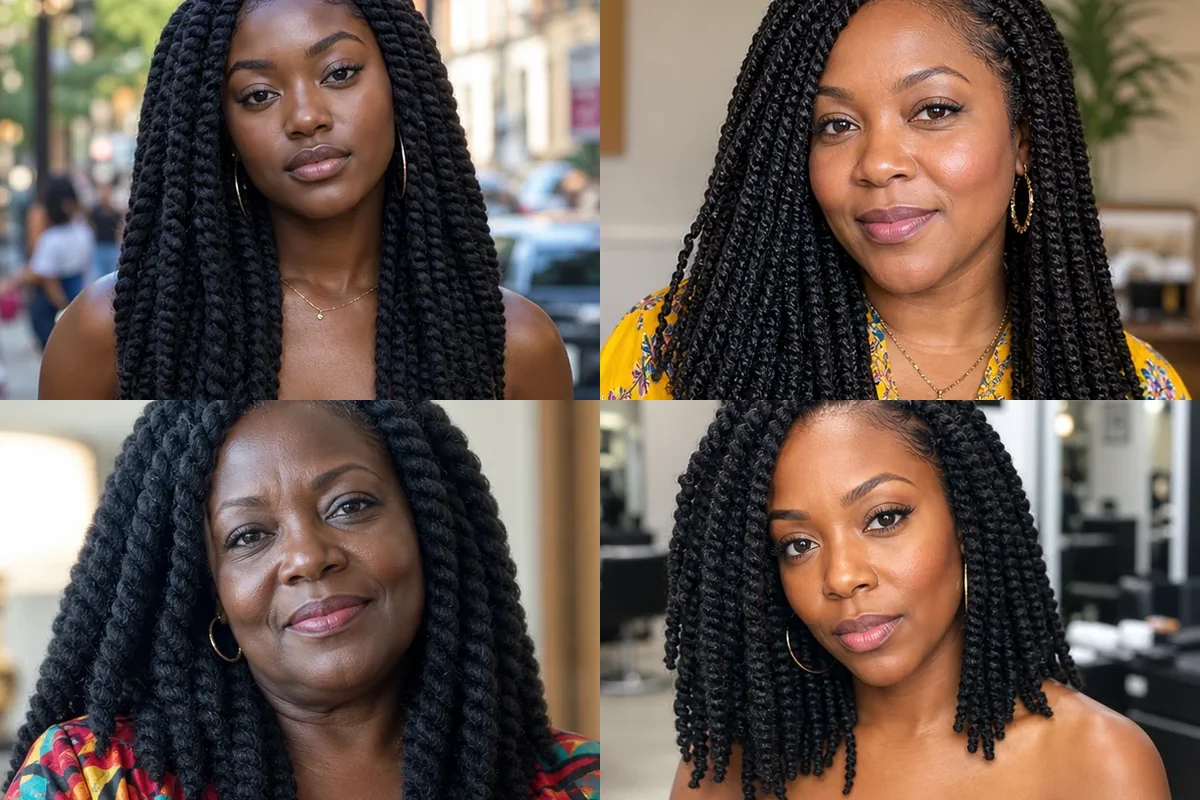
Find the one that feels like you: Start with the first look and let the photographs lead. Each style explains how the shape affects your features, the mood it creates and the exact words to take to your stylist.
1. Classic Medium Marley Twists
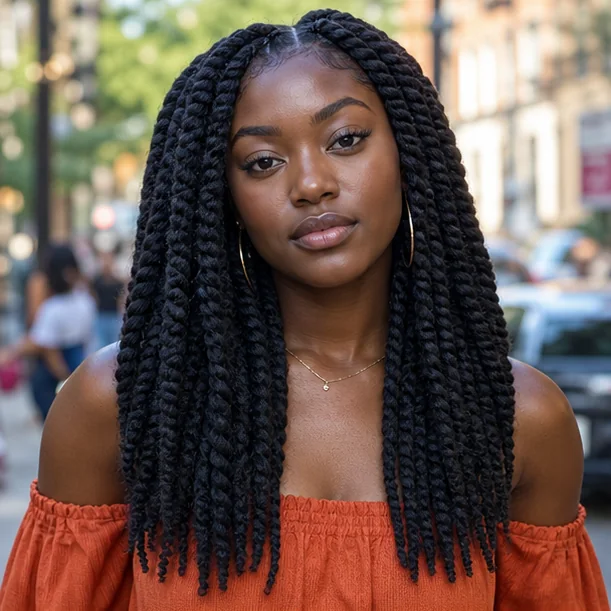
Medium Marley twists fall with a softly irregular rope texture, giving the style generous body without the weight of a jumbo installation. The scale frames most face shapes beautifully, keeps the scalp accessible and can make the wearer feel polished yet relaxed from workdays to weekends. Their moderate size also makes ponytails and half-up styles practical, although the ends still need nightly satin protection. Ask for medium box parts, lightweight kinky-textured Marley hair, comfortable root tension and tapered sealed ends that stay flexible rather than stiff.
Ask your stylist for: Medium box parts, lightweight kinky Marley hair, comfortable roots and soft tapered ends.
2. Small Marley Twists
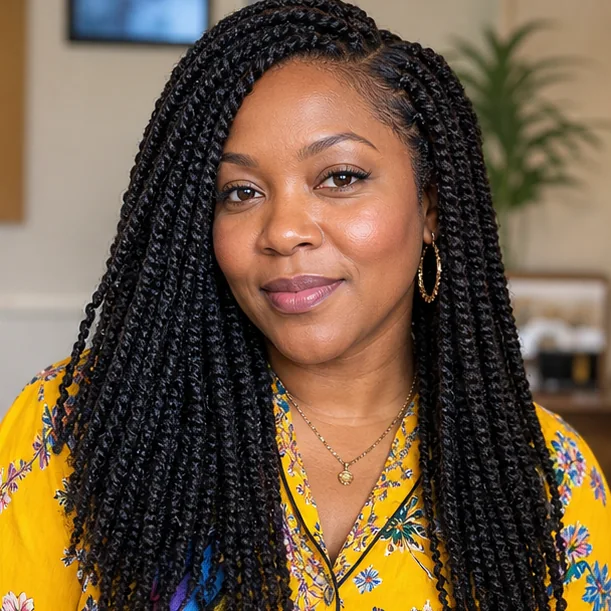
Slim Marley twists create hundreds of fine textured lines that move almost like loose natural hair and tuck easily into detailed updos. The smaller scale can visually soften broad features, build graceful fullness around a narrow face and make the wearer feel refined and wonderfully versatile. Installation takes longer, and sections that are too tiny can overload fragile strands, especially around the hairline. Request small but not micro parts, modest extension amounts, larger perimeter sections and a twist size that remains proportionate to the density of your own hair.
Ask your stylist for: Small, non-micro twists with modest extension hair and generously sized perimeter sections.
3. Jumbo Marley Twists
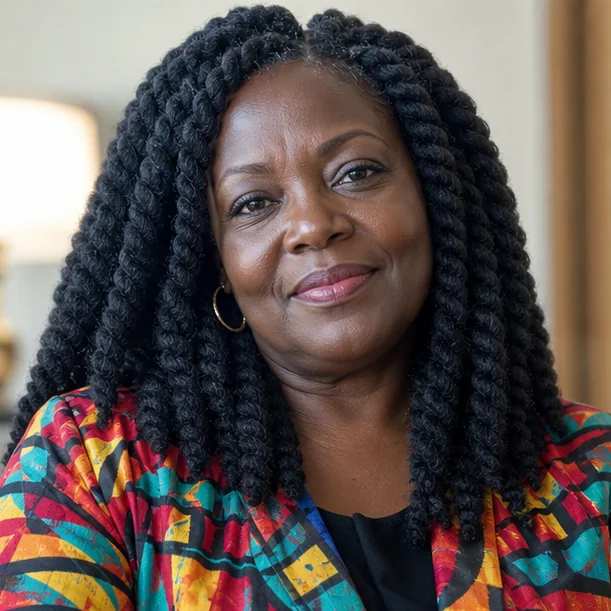
Jumbo Marley twists use broad sections and thick bundles to create a dramatic silhouette with fewer, more sculptural ropes. That strong scale can balance a tall frame, spotlight cheekbones and give the wearer an immediate sense of confidence without requiring a complicated style. Fewer twists may shorten installation time, but oversized bundles can still feel heavy when the extension amount is not controlled. Ask for large clean parts, fluffy hair divided to match each natural section, restrained weight at the temples and blunt-soft ends that preserve the chunky shape.
Ask your stylist for: Large clean parts, chunky but lightweight bundles, protected temples and full soft ends.
4. Shoulder-Length Marley Twists
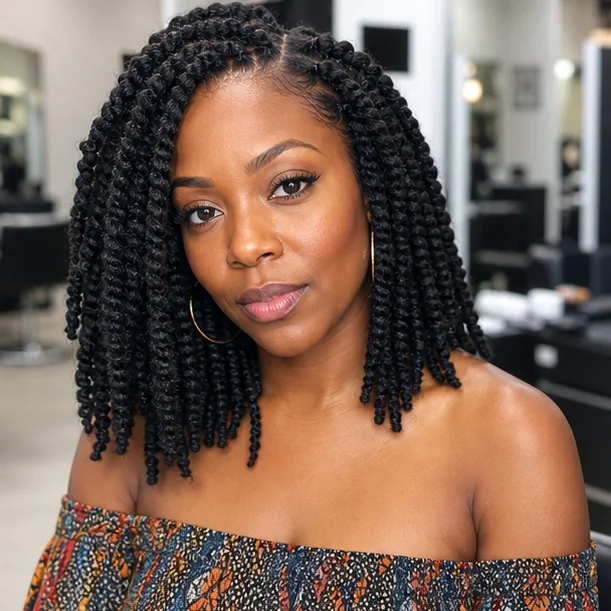
These twists finish around the shoulders, where their textured ends create a buoyant outline instead of pulling the style downward. The compact length opens the neckline, can bring width to a long face and makes the wearer feel fresh and unencumbered during workouts, commutes and sleep. Short ends may unravel more readily if they are cut too bluntly, so sealing and tapering matter. Request medium twists that skim rather than stack heavily on the shoulders, with lightly feathered ends and enough flexibility to gather into a small low ponytail.
Ask your stylist for: Medium shoulder-skimming twists with tapered sealed ends and flexible low-ponytail length.
5. Marley Twist Bob
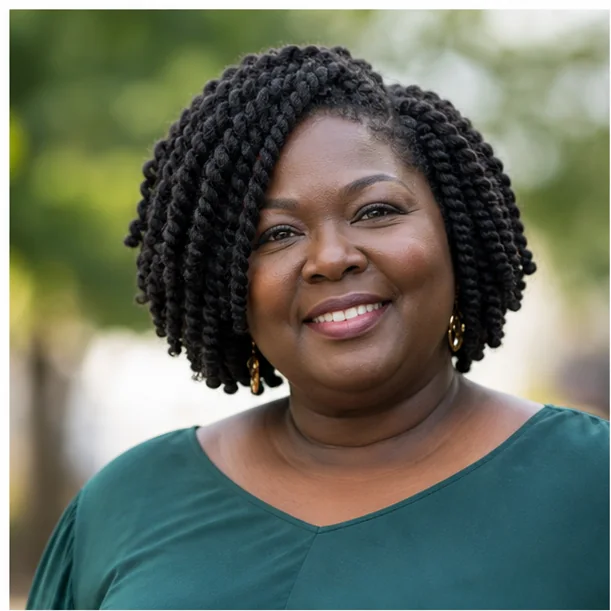
A Marley twist bob curves around the jaw with short, full ropes and an intentionally rounded perimeter. The shape makes the kinky texture look especially plush, defines the neck and can soften a long or angular face while giving the wearer a smart, modern confidence. A chin-length finish needs careful balance because bulky ends can flare outward or obscure the jaw. Ask for lightweight medium twists, subtle layering around the lower perimeter, slightly shorter pieces at the back and ends sealed neatly without hard plastic-looking tips.
Ask your stylist for: A lightweight chin-length twist bob with subtle perimeter layering and clean soft ends.
6. Waist-Length Marley Twists
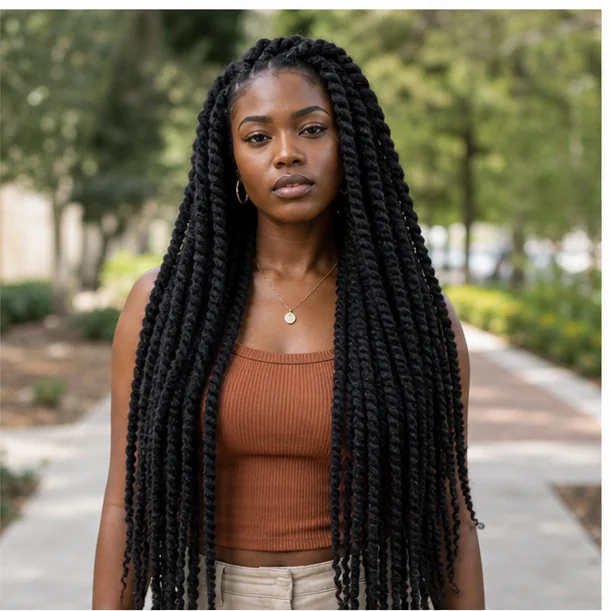
Waist-length Marley twists stretch the textured ropes into a sweeping vertical line that feels glamorous without losing their earthy finish. The length can visually elongate the body, give dramatic movement in photographs and make the wearer feel striking even in simple clothing. Extra length increases weight, drying time and nighttime friction, so a dense installation is not automatically better. Request a controlled braid count, lighter extension amounts through the lower lengths, flexible root direction and finished weight you can comfortably lift into a low bun.
Ask your stylist for: Waist length with a controlled twist count, light lower lengths and flexible root direction.
Pause and notice: Choose length and size with your scalp, sleep and workout routine in mind. A beautiful result should feel comfortably wearable, not impressive only while you are sitting still.
7. Center-Part Marley Twists
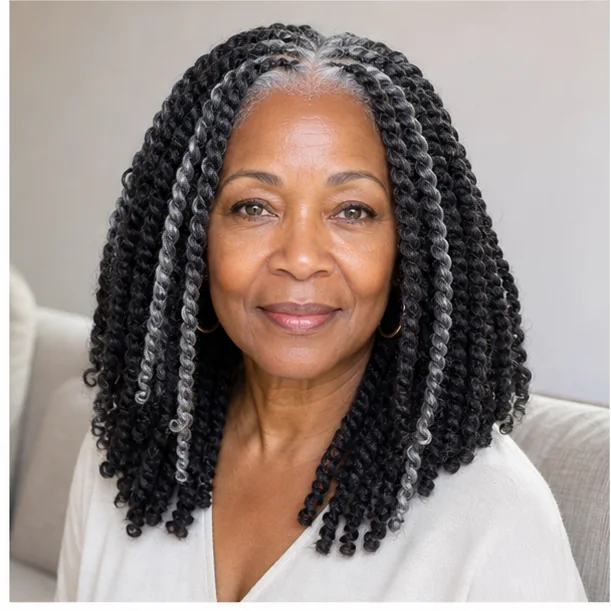
A precise center part divides full Marley twists into two balanced curtains while the irregular texture prevents the symmetry from feeling severe. The clean line highlights the eyes and cheekbones, brings quiet order to a voluminous installation and can make the wearer feel composed and elegant. Sparse coverage becomes obvious along an overly wide part, so the brick pattern behind it is important. Ask for a narrow centered part, offset rows for coverage, equal density on both sides and two shorter twists positioned to frame the face.
Ask your stylist for: A narrow center part with offset rows, balanced density and shorter face-framing twists.
8. Deep Side-Part Marley Twists
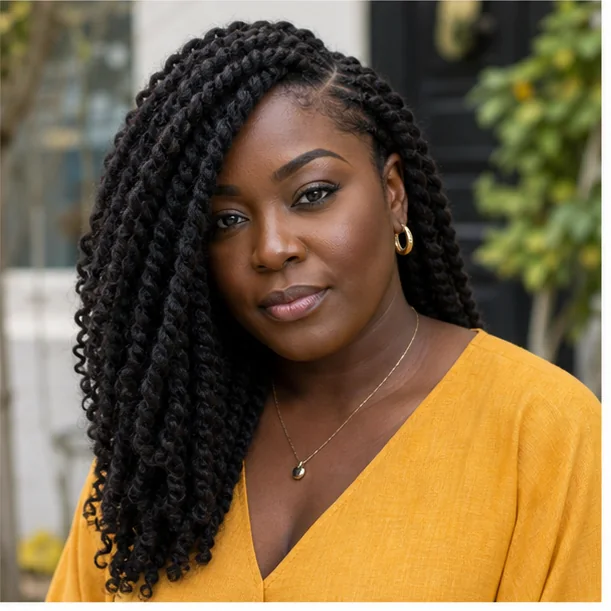
A deep side part sends more twists across one side of the forehead, building gentle crown lift and a soft diagonal frame. The asymmetry can lengthen a round face, soften a square jaw and make the wearer feel glamorous without adding beads or elaborate styling. Heavy lengths repeatedly flipped to one side may strain the roots, so the sections must be designed to change direction comfortably. Request flexible root placement, moderate twist weight, a natural side part and a few shorter front pieces that sweep clear of the eyes.
Ask your stylist for: Flexible roots, moderate weight and shorter front twists designed for a deep side sweep.
9. Crochet Marley Twists
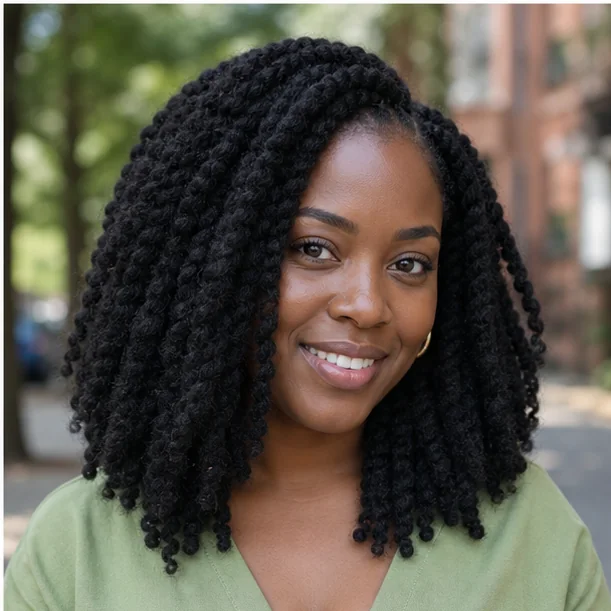
Crochet Marley twists attach pre-twisted lengths to a cornrow base, producing even coverage with less individual handling of every natural section. The method can shorten chair time, distribute visual fullness efficiently and leave the wearer feeling ready for the week with very little morning styling. A bulky braid foundation or dense knot placement may feel hot and make scalp access difficult. Ask for flat, secure cornrows, staggered lightweight loops, an invisible perimeter where appropriate and enough spacing to clean and dry the scalp thoroughly.
Ask your stylist for: Flat cornrows, staggered lightweight crochet loops, natural perimeter coverage and clear scalp access.
10. Knotless Marley Twists
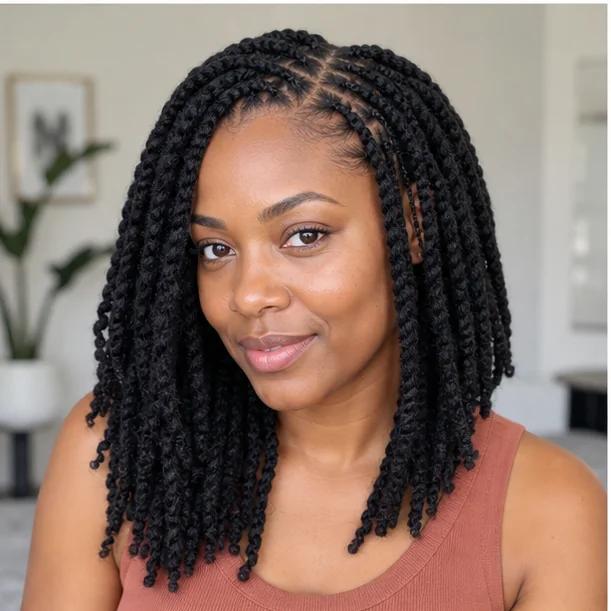
Knotless Marley twists begin with natural hair and feed in coarse extension fiber gradually, creating a flatter root without a visible starter knot. The seamless base moves freely, can feel gentler on a sensitive scalp and gives the wearer an easy confidence when the twists are swept away from the face. Knotless does not guarantee low tension; too much hair added too quickly can still overload a section. Request a gradual feed-in, sections matched to your density, minimal extension at the hairline and permission to stop immediately if any root feels pinched.
Ask your stylist for: Gradual knotless feed-in with density-matched sections and minimal extension at the perimeter.
11. Dark Brown Marley Twists
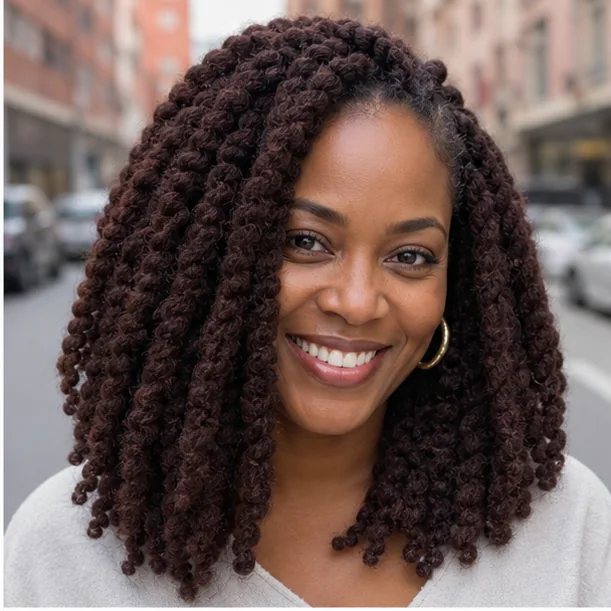
Rich dark-brown fiber reveals the ridges of each twist more softly than blue-black, especially in warm daylight. The shade can harmonize with brown eyes and warm complexions, make the full silhouette feel approachable and help the wearer enjoy color without a high-contrast change. Mixed extension packs sometimes vary in undertone, which becomes noticeable across a large installation. Ask to compare the chosen brown beside your roots in natural light, blend compatible shades deliberately and keep the hairline closest to your natural base.
Ask your stylist for: A deliberate deep-brown blend checked in daylight, with the perimeter closest to the natural root shade.
12. Honey-Blonde Marley Twists
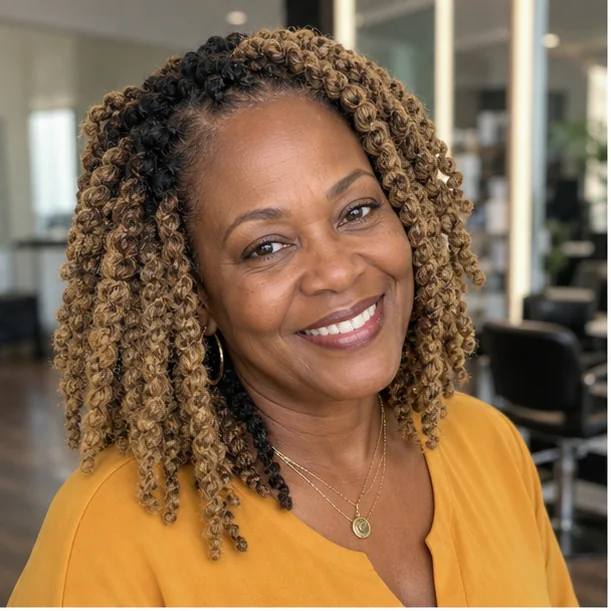
Honey-blonde pieces thread through a darker base so the twist pattern catches light while the roots remain grounded. Strategic brightness around the face can warm the complexion, make the texture photograph beautifully and give the wearer a playful, sunlit feeling without committing to permanent color. An even half-and-half blend may look stripy, and pale fibers can expose frizz faster. Ask for a dark base with irregular honey and caramel accents, slightly brighter face pieces and enough root depth to keep the result dimensional.
Ask your stylist for: A dark base with irregular honey-caramel accents and brighter but softly blended face pieces.
13. Burgundy Marley Twists
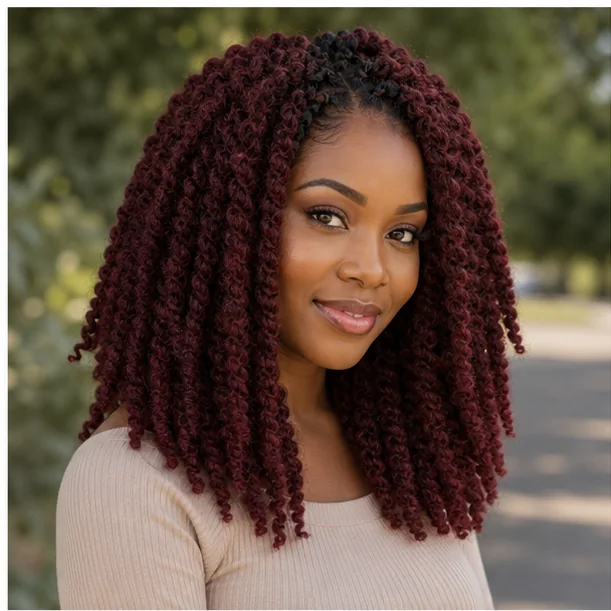
Wine-toned Marley twists read sophisticated indoors and reveal vivid berry depth when sunlight reaches their textured ridges. The color can add warmth near the face, create a memorable contrast with neutral clothing and make the wearer feel artistic and boldly put together. Red extension shades vary dramatically and some fibers transfer color during washing, so testing matters. Request a deep burgundy rather than bright red, dark-root blending at the perimeter and one opened sample twist to confirm the final undertone before installation.
Ask your stylist for: Deep burgundy twists with dark-root perimeter blending and a tested cool-or-warm undertone.
14. Ombre Marley Twists
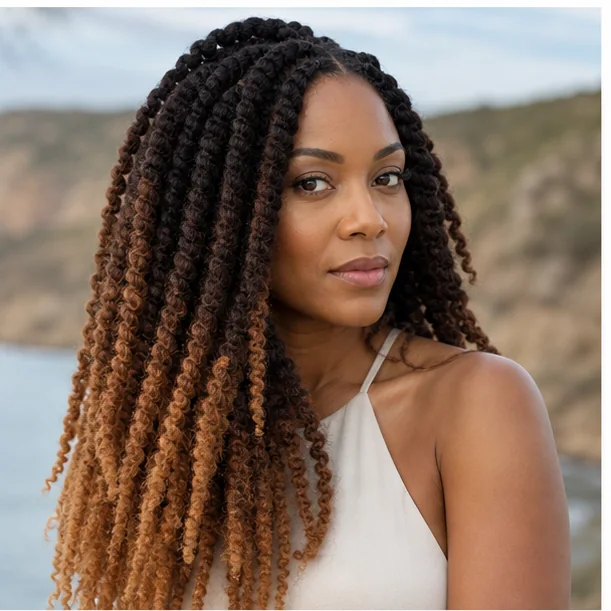
Dark roots melt through chestnut into caramel ends, placing the brightest color where the twists move most. The gradient draws the eye downward, keeps the face framed by familiar depth and can make the wearer feel adventurous while preserving a natural-looking transition. Abrupt factory color blocks can resemble stripes when twists begin their change at identical heights. Ask for two or three compatible shades staggered through the installation, with transitions beginning at varied levels and the lightest tone concentrated below the shoulders.
Ask your stylist for: A staggered dark-to-chestnut-to-caramel ombre with varied transition heights and light ends.
Pause and notice: Color looks most dimensional when the extension shades share an undertone. Compare the fibers beside your face in daylight before the full installation begins.
15. Marley Twists With Curled Ends
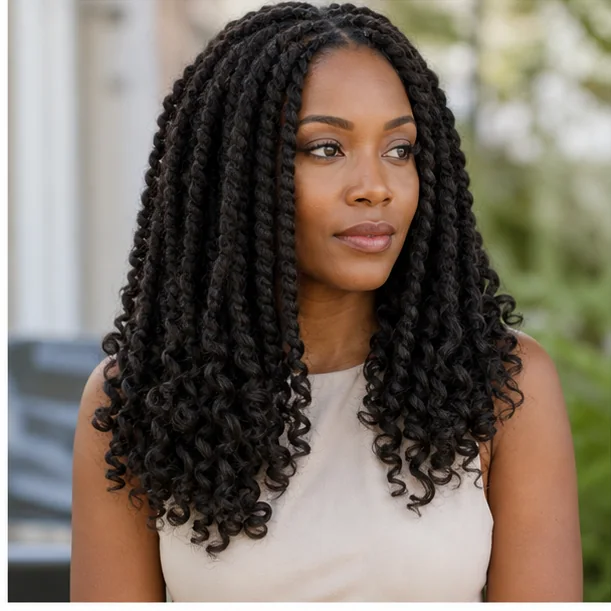
These twists keep their coarse two-strand definition through most of the length, then release into soft coils at the ends. The contrast gives the perimeter buoyancy, softens a long installation around the shoulders and can make the wearer feel romantic without turning the style into French curl braids. Exposed ends tangle faster than fully twisted lengths and require gentle separation. Ask for twists completed well below the shoulders, a gradual release into compatible curl hair and fewer loose ends through the friction-heavy back rows.
Ask your stylist for: Long defined Marley twists with a gradual release into soft curls and reduced nape leave-out.
16. Marley Twists With Beads
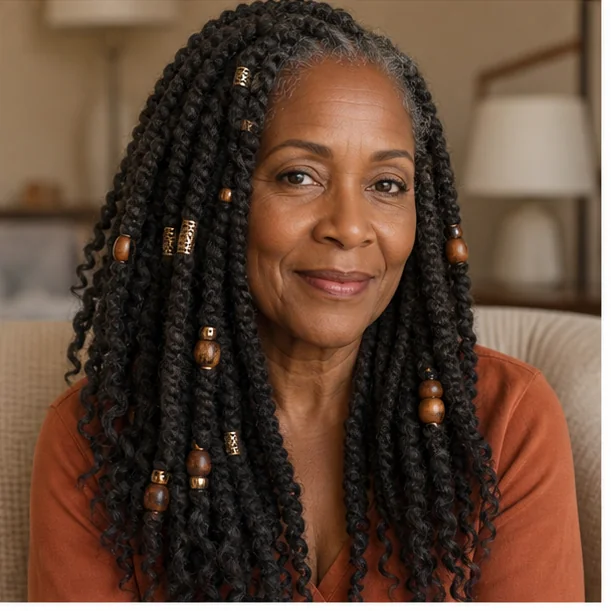
Wooden and warm metallic beads punctuate selected twist ends while most of the textured lengths remain unadorned. The accents create rhythm, draw attention to the lower silhouette and can make the wearer feel expressive without overwhelming the style’s organic character. Too much hardware adds weight, noise and friction, particularly on fine perimeter sections. Ask for an asymmetrical scattering of lightweight beads on sturdy twists only, with clear spacing between pieces and no ornaments on the smallest hairline or nape sections.
Ask your stylist for: Lightweight wooden and metallic beads scattered asymmetrically on sturdy twists away from the perimeter.
17. Half-Up Marley Twists
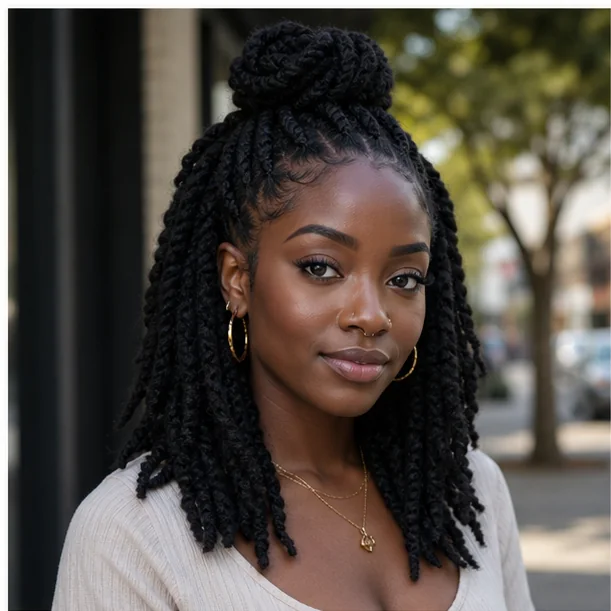
The upper twists gather softly at the crown while the remaining lengths spread around the shoulders in a full textured frame. This shape opens the face, adds cheerful height and can make the wearer feel effortlessly organized on busy days while still showing off the installation. A tight elastic can bend the twists and load the front rows, especially when the hair is long. Ask for flexible crown direction and lightweight front sections, then secure only a modest bundle with a broad satin tie rather than pulling every temple twist upward.
Ask your stylist for: Flexible crown-directed roots and lightweight front twists suitable for a loose half-up bundle.
18. High-Ponytail Marley Twists
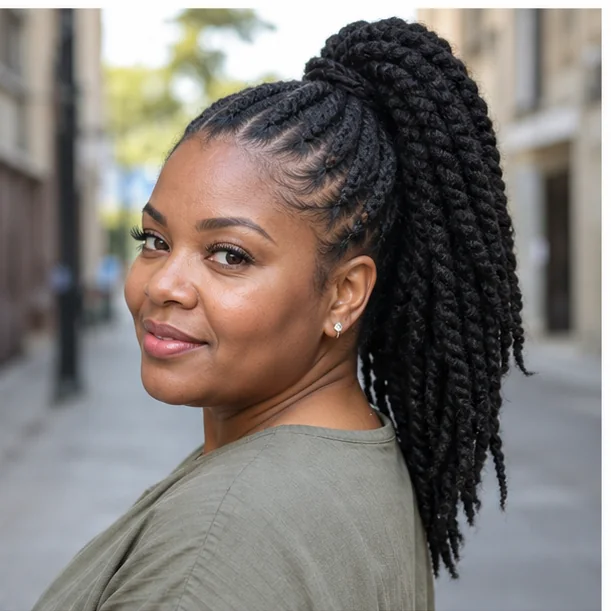
Marley twists rise into a high ponytail and spill around the crown, creating a bold fountain of coarse texture. The lifted silhouette lengthens the neck, emphasizes the cheekbones and can make the wearer feel energetic and glamorous for a night out. A very long or dense installation may be too heavy to wear high for hours, and repeated pulling can stress the edges. Request a lightweight twist count, multidirectional roots and medium length, then use a wide fabric wrap and release the ponytail when the scalp feels tired.
Ask your stylist for: A lightweight medium-length installation with multidirectional roots designed for occasional high styling.
19. Low-Bun Marley Twists
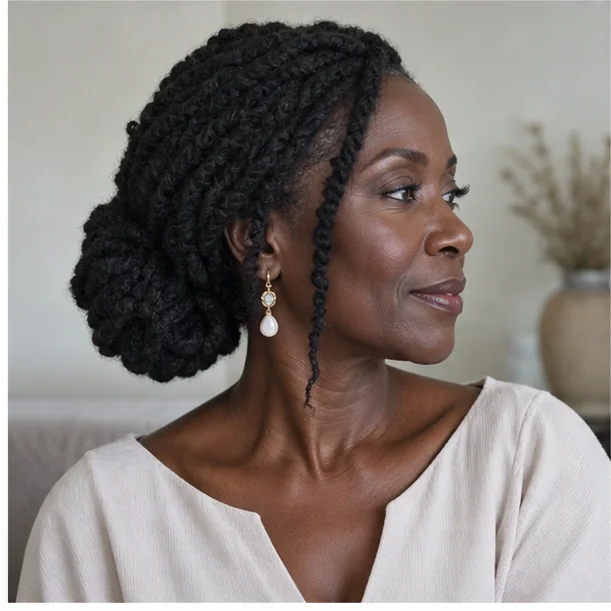
The twists sweep back into a broad low bun, with a few shorter pieces left loose near the temples for softness. Keeping the volume near the nape creates a graceful profile, works beautifully with professional clothing and can make the wearer feel serene and completely pulled together. Packing every twist into a tight coil can create pressure and trap dampness after washing. Ask for flexible root direction and moderate density, then build the bun loosely with long pins and allow the entire installation to dry before gathering it.
Ask your stylist for: Moderate-density twists with flexible roots and shorter temple pieces for a loose low bun.
20. Layered Marley Twists
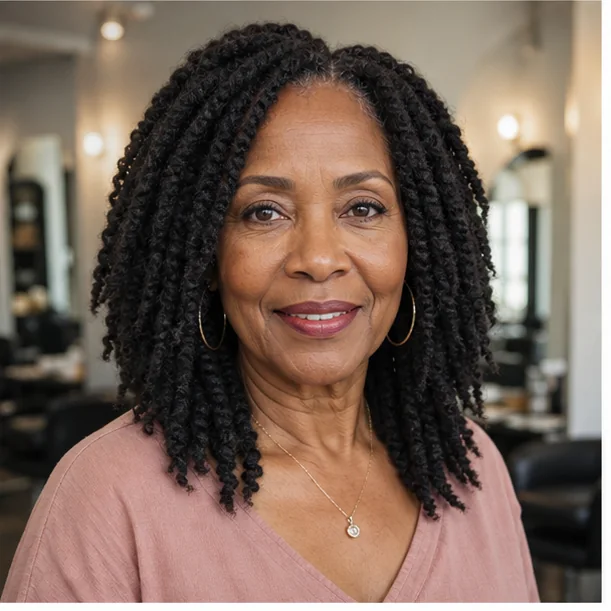
Layered Marley twists step from cheekbone-length face pieces into longer shoulder and chest lengths, breaking up the usual one-level curtain. The graduation adds lift, prevents the texture from swallowing petite features and can make the wearer feel modern and beautifully seen rather than hidden behind volume. Cutting finished twists indiscriminately may cause unraveling, so the length plan should be built during installation. Ask for preplanned short, medium and long sections, sealed tapered ends and the lightest pieces placed around the face and crown.
Ask your stylist for: Preplanned graduated twist lengths with light face pieces and individually sealed tapered ends.
Pause and notice: Protective styling is a technique, not a guarantee. Comfortable tension, sensible weight, clean scalp access and patient removal matter more than keeping twists in for a particular number of weeks.
Before You Book the Appointment
A successful salon visit begins with the overall shape, construction and upkeep—not only the finished length. Use this quick reality check before choosing your final reference photograph.
- Best for: Natural and transitioning textures that can support two-strand extension twists; fine or fragile hair needs fewer, lighter twists and generous sections.
- Signature finish: Coarse, kinky-textured extension hair twisted into full ropes with a soft natural-looking irregularity.
- Closest alternatives: Senegalese twists are smoother and sleeker; Havana twists are usually larger and fluffier; faux locs use wrapped construction.
- Maintenance: Clean and dry the scalp carefully, smooth frizz with mousse, protect lengths with satin and remove the style if tension or persistent soreness develops.
What Marley Twists Are—and What They Are Not
Marley twists are two-strand extension twists made with coarse, kinky-textured fiber designed to resemble the look and grip of type 4 hair. Their surface is fuller and more irregular than sleek Senegalese twists. Havana twists are generally larger and fluffier, kinky twists tend to be smaller, and faux locs are wrapped to imitate locs rather than formed as an exposed two-strand rope. Because salon labels vary, bring a reference photo and describe texture, size, length and installation method instead of relying on the name alone.
Choosing Hair, Size and Installation Method
Ask which exact fiber will be used, how many packs the plan requires and whether the hair is pre-stretched, pre-fluffed or suitable for dipped ends. Individual twists allow flexible parting and perimeter styling; crochet twists can reduce installation time but depend on a flat, comfortable cornrow base. Match the extension bundle to the strength and size of each natural section. More hair creates fullness, but it also adds weight, heat and drying time, so the densest photograph is not always the healthiest or easiest choice.
How to Ask for Marley Twists at a Salon
Specify small, medium or jumbo twists; bob, shoulder, chest or waist length; center, side or flexible parting; and individual, knotless or crochet installation. Show where you want color transitions, beads or curled ends, and explain whether you often wear ponytails, hats or workout styles. Ask for generous perimeter sections, no painful grip and a finished weight you can lift comfortably. Agree on the end-sealing method and confirm that any heat or hot water is appropriate for the selected fiber before installation begins.
Scalp Care, Frizz and Realistic Longevity
There are rising questions about how long Marley twists last, but comfort and condition matter more than a fixed deadline. Clean the scalp in sections with diluted cleanser, avoid scratching under the roots and let the base dry completely. Use light mousse to settle surface frizz and a satin scarf or roomy bonnet at night. If the hairline feels sore, bumps appear, roots begin matting or buildup cannot be cleaned, remove the style rather than forcing it toward an arbitrary number of weeks.
Removal and Rest Between Protective Styles
Separate accessories and curled pieces before cutting any extension hair, then confirm where your natural ends stop. Unravel each twist patiently, finger-detangle shed hair with conditioner and follow with a thorough cleanse. A large amount of shed hair can be normal after weeks without daily detangling, but breakage, thinning or a tender scalp deserves attention. Give the hairline and scalp time without added weight before another long installation, especially if you plan to repeat small or jumbo twists.
More Hair Inspiration
- 20 Box Braids Hairstyles That Feel Polished, Versatile and Beautiful — Compare structured three-strand braids with the softer rope texture of Marley twists.
- 20 Boho Braids That Look Soft, Romantic and Beautiful — Explore braids mixed with loose curls when you want a lighter, more romantic texture.
- 20 Short Natural Hairstyles That Celebrate Your Texture — See extension-free and compact natural styles for a shorter routine.