Mini twists turn small sections of natural hair into neat two-strand ropes, creating airy definition that can be worn loose, pinned up or accessorized. Their signature is the repeated fine twist pattern: unlike flat twists, each rope hangs freely from the scalp; unlike micro braids, every section uses two strands rather than three; and unlike Marley twists, traditional mini twists do not require coarse extension hair. The looks below show how length, density, parting and styling change the mood, along with realistic guidance for moisture, tension, longevity and salon requests.
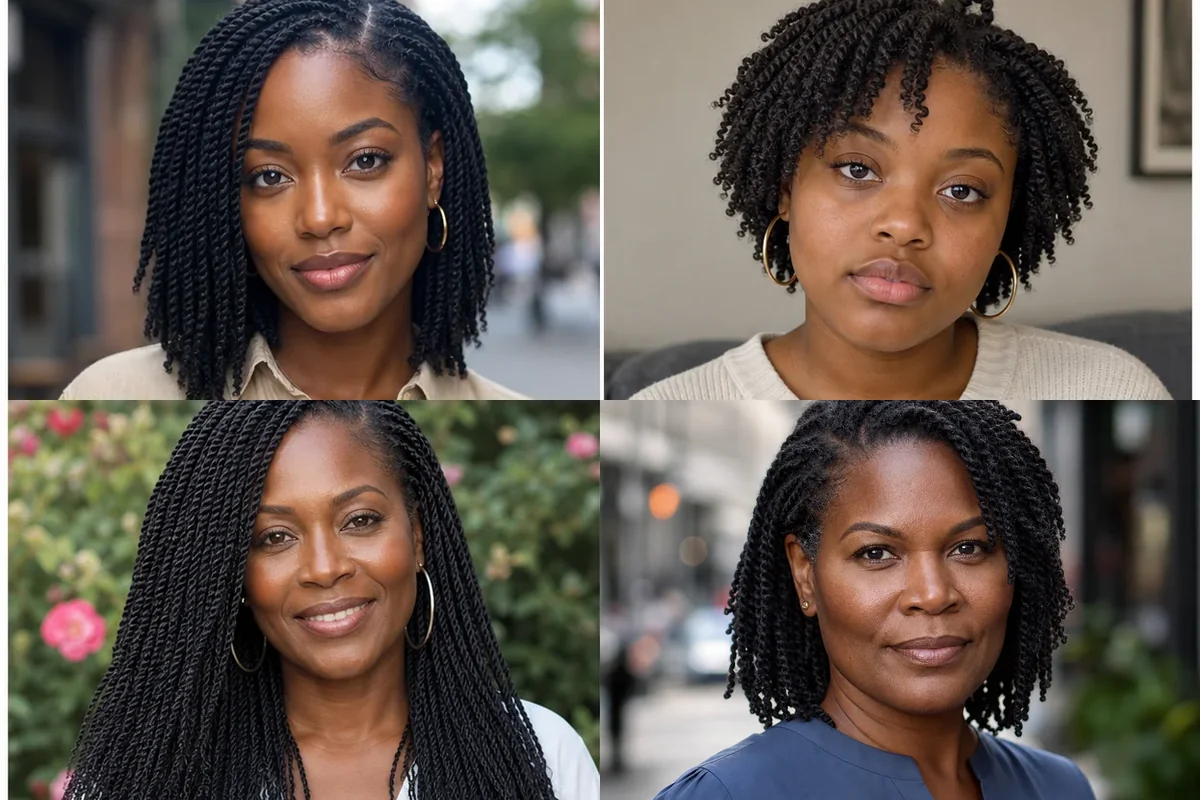
Find the one that feels like you: Start with the first look and let the photographs lead. Each style explains how the shape affects your features, the mood it creates and the exact words to take to your stylist.
1. Classic Shoulder-Length Mini Twists
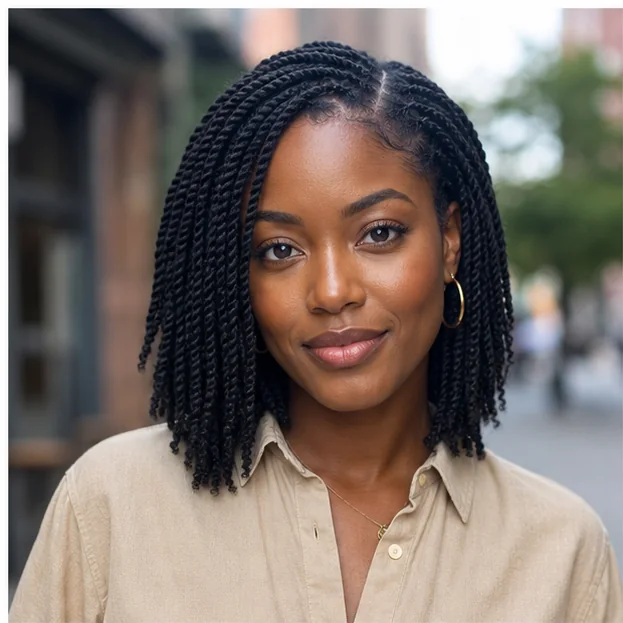
Classic shoulder-length mini twists fall in hundreds of slim, softly defined ropes with enough weight to swing but not collapse the shape. The balanced length frames most face shapes, gives fine natural hair the appearance of fuller coverage and can make you feel quietly polished without looking overdone. They tuck into a bonnet and gather easily for exercise, although the nape needs gentle detangling as the weeks pass. Ask for small—not micro—sections, comfortable roots, full ends and a finished length that clears the shoulders when the twists naturally shrink.
Ask your stylist for: Small non-micro sections, comfortable roots and full shoulder-clearing ends that allow for shrinkage.
2. Short Mini Twists
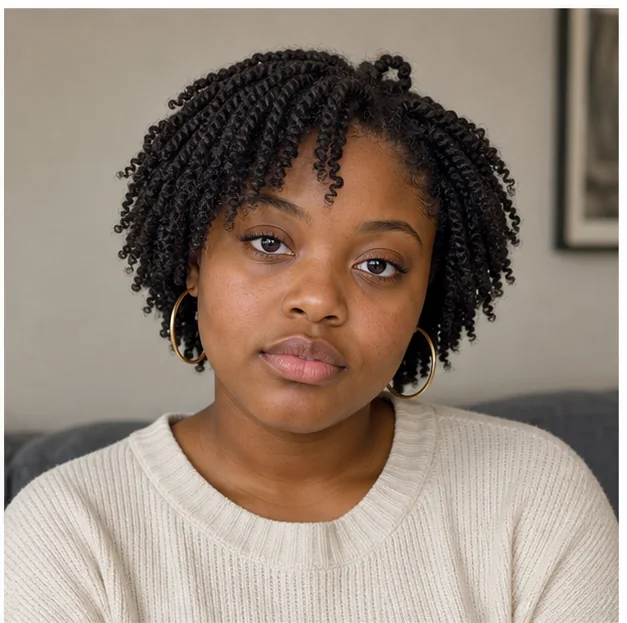
Short mini twists sit close to the head and spring outward into a soft, touchable halo instead of hanging heavily. The compact shape opens the neck, highlights the eyes and can make you feel fresh and completely unburdened on busy mornings. It works especially well for shorter natural hair or anyone who wants easy washing and fast drying, though very short ends may loosen sooner. Request neat but not severe parting, slightly larger sections along fragile edges and a soft rounded outline that follows your natural shrinkage rather than forcing every twist to one length.
Ask your stylist for: A soft rounded outline with neat flexible parts, protected edges and allowance for natural shrinkage.
3. Long Mini Twists
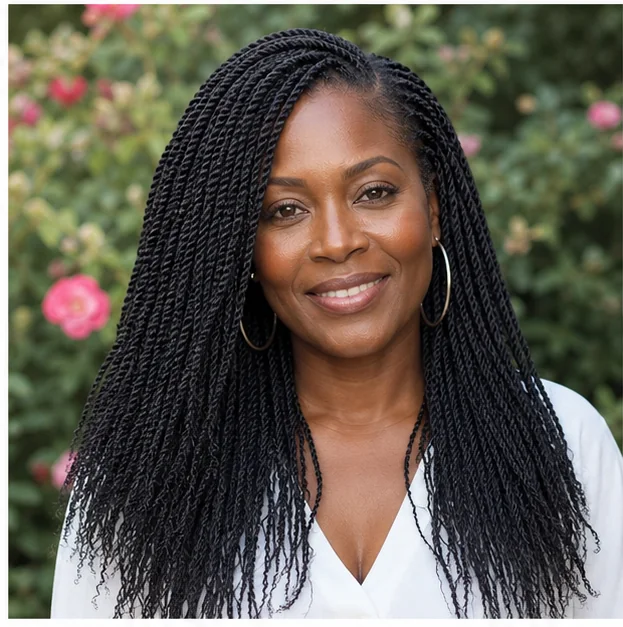
Long mini twists stretch past the shoulders in fine, flexible ropes that reveal both length and intricate texture. Their vertical line can elongate a round face, make a dense head of hair feel more controlled and give you an elegant confidence even with simple clothes. The extra length increases tangling at collars and takes longer to install, cleanse and unravel, so patience is part of the look. Ask for consistent medium-small sections, a perimeter size matched to hair density and lightly coiled ends rather than thinning or pulling them unnaturally straight.
Ask your stylist for: Consistent medium-small sections, density-matched perimeter parts and naturally coiled full ends.
4. Side-Part Mini Twists

A clean side part sends more mini twists across one temple, building gentle lift while the opposite side tucks neatly behind the ear. That diagonal line can lengthen a round face, soften a square jaw and make the style feel intentionally glamorous without adding accessories. It suits anyone who likes a defined everyday part, but repeatedly flipping every twist can strain the same roots. Ask for flexible sections around the part, slightly shorter face-framing twists and enough coverage behind the line that you can switch sides when your scalp needs a rest.
Ask your stylist for: A flexible side part with shorter face pieces, full coverage and roots that can change direction comfortably.
5. Center-Part Mini Twists
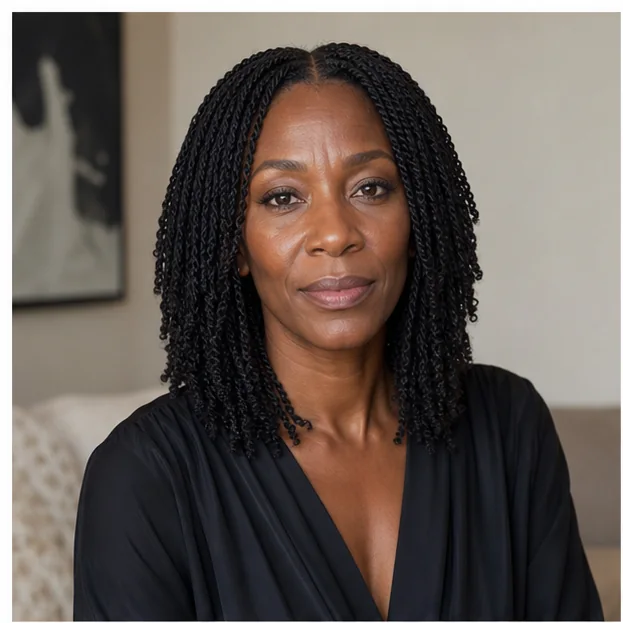
Center-part mini twists divide into two even curtains, with fine ropes skimming the cheekbones and settling around the shoulders. The symmetry highlights the eyes, brings visual order to abundant texture and can make you feel composed from work meetings through dinner. It is particularly flattering when a few shorter pieces soften the forehead, although a part that is too wide can expose sparse coverage. Request a narrow centered line, offset rows behind it, equal density on both sides and two or three graduated twists around each cheek.
Ask your stylist for: A narrow center part, offset rows, balanced density and graduated cheekbone-length face pieces.
6. Mini Twists With Bangs
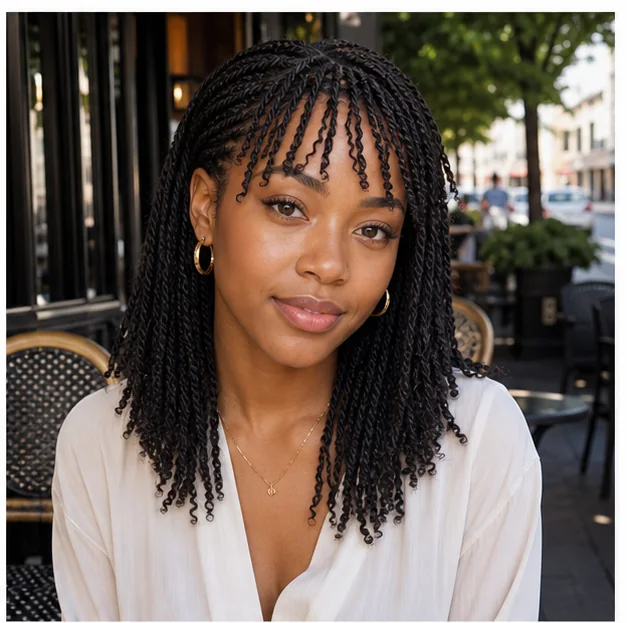
A small group of shorter mini twists falls across the forehead as a wispy fringe while longer lengths keep the overall silhouette relaxed. The broken line can soften a tall forehead, draw attention to the eyes and make you feel playful without committing to a permanent haircut. Twist bangs shrink noticeably and can become annoying if they land directly in the lashes, so length must be planned dry. Ask for a sparse curved fringe, longer corner pieces and a test twist at the center before the remaining front sections are shortened.
Ask your stylist for: A sparse curved twist fringe with longer corners and a dry test twist to confirm shrinkage.
Pause and notice: Choose twist size according to density and patience, not just the smallest reference photo. Tiny sections take longer to install and remove, and fragile edges usually need a more generous part.
7. Half-Up Mini Twists
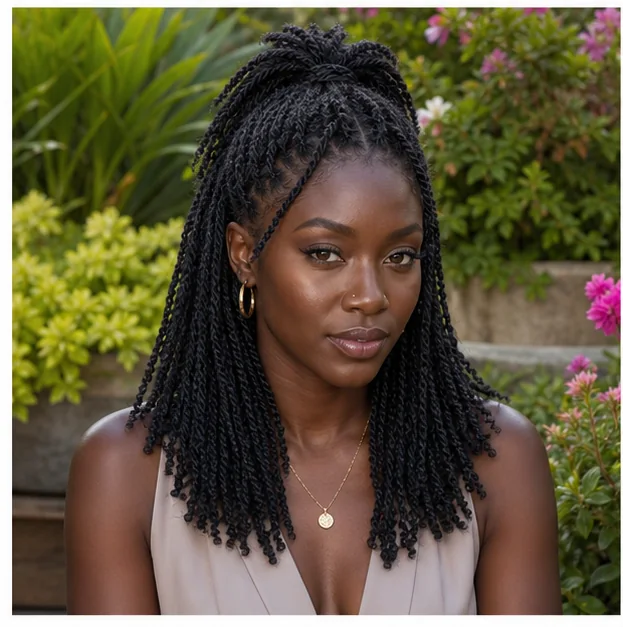
The top third of these mini twists gathers loosely at the crown while the remaining ropes spill around the shoulders. The lift opens the face, adds cheerful height and can make you feel instantly organized when you need hair away from your eyes but still want to show its length. It works for everyday routines and casual events, though a tight elastic can crease the twists or pull at the temples. Ask for multidirectional roots at the crown and lightweight front sections, then secure a modest bundle with a broad satin tie.
Ask your stylist for: Multidirectional crown roots and lightweight front twists designed for a loose satin-tied half-up style.
8. High-Ponytail Mini Twists
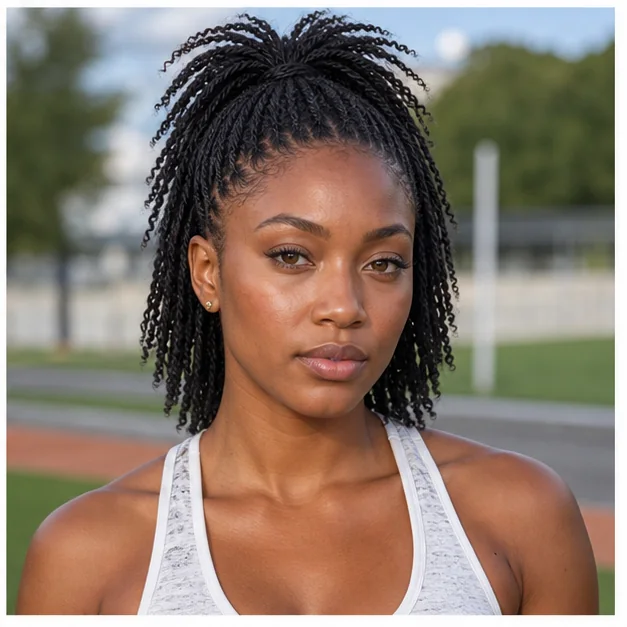
Mini twists sweep upward into a high ponytail and fan around the crown, leaving their fine ends free to move. The lifted shape lengthens the neck, emphasizes cheekbones and can make you feel energetic and striking for brunch, workouts or a night out. It is easiest on medium-length, moderate-density twists; very long hair may feel heavy after several hours. Request flexible root direction and slightly larger hairline sections, then use a wide fabric band, keep the base loose and release it at the first sign of scalp fatigue.
Ask your stylist for: Flexible multidirectional roots, protected hairline sections and moderate density for occasional high styling.
9. Low-Bun Mini Twists
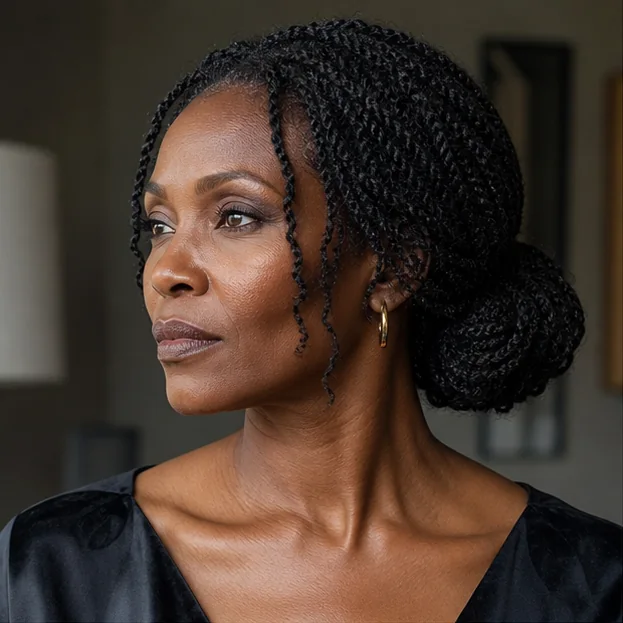
The twists sweep back into a broad low bun, with a few slim pieces left loose near the temples to soften the profile. Keeping the volume at the nape looks graceful with professional or formal clothing, avoids height under hats and can make you feel serene and beautifully pulled together. A tight coil can trap dampness or tug repeatedly at the same edges, so the bun should not be an everyday strain. Ask for flexible roots and face-framing pieces, then pin the shape loosely only after the twists and scalp are completely dry.
Ask your stylist for: Flexible roots, soft temple pieces and enough length for a loose, fully dried low bun.
10. Mini Twist Space Buns
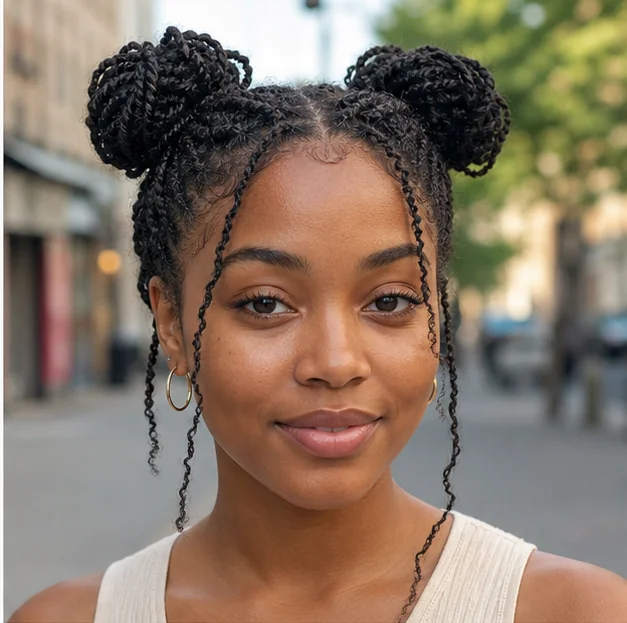
Two rounded buns sit high on either side of the crown while several twists remain loose around the face and nape. The balanced volume can flatter a long face, show off clean parting and make you feel playful and creative without altering the installation itself. This is a special-occasion shape rather than a tension-free default, especially when the twists are long or dense. Ask for a flexible center division and sturdy crown sections, then form broad, loose coils with pins instead of winding the buns tightly against the scalp.
Ask your stylist for: A flexible center division with sturdy crown sections suitable for two loose pinned buns.
11. Flat-Twist Crown With Mini Twists
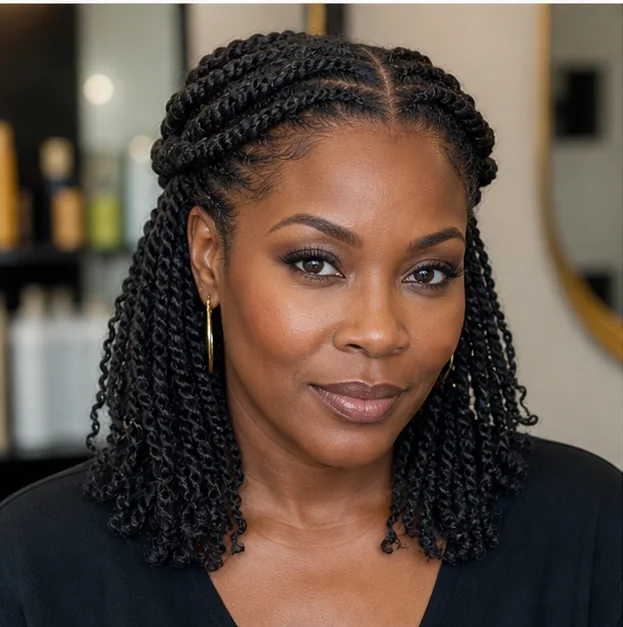
Two broad flat twists travel from the temples toward the crown, where they release into loose mini twists through the back. The smooth front creates lift and clear facial framing while the hanging ropes preserve movement, helping you feel polished without the stiffness of a fully pinned updo. This hybrid is useful for workouts or growing-out front layers, but the scalp rows should never feel pinched. Ask for wide, gently directed flat twists, no added hair, comfortable temple tension and a seamless transition into the existing mini-twist size.
Ask your stylist for: Wide low-tension flat twists at the crown transitioning seamlessly into loose mini twists.
12. Mini Twists With Gold Cuffs

Small gold cuffs punctuate selected mini twists near the face and lower lengths rather than covering every rope. The scattered shine catches light, emphasizes the intricate pattern and can make you feel dressed up in seconds while keeping the hairstyle sophisticated. Cuffs can snag clothing or slide from tapered ends, and too many add needless weight to fine sections. Ask for a clean installation with several sturdier accent twists, then place smooth lightweight cuffs away from the smallest hairline pieces and remove them before sleep or vigorous exercise.
Ask your stylist for: Several sturdy accent twists for smooth lightweight cuffs placed away from fragile perimeter sections.
13. Mini Twists With Wooden Beads
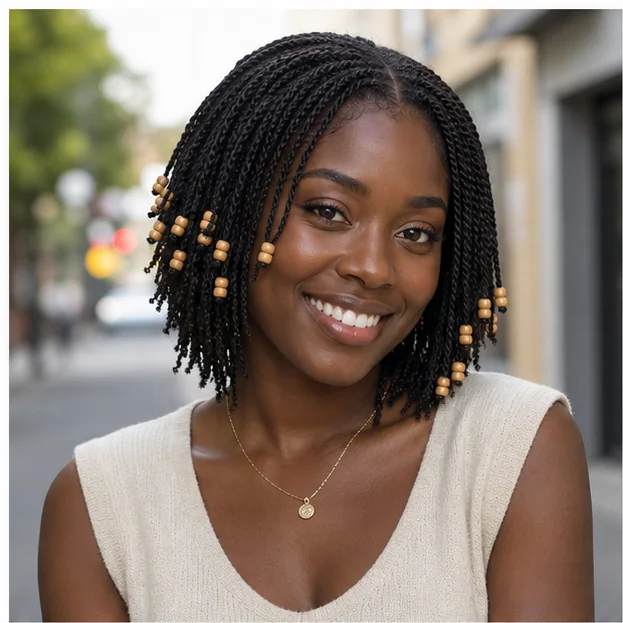
Warm wooden beads finish a restrained group of mini twists, creating gentle rhythm across the lower perimeter. Their natural color complements the matte texture, draws attention to shoulder movement and can make you feel expressive without turning the style into a heavy accessory statement. Beads that are too large can knock together, pull on the ends or make sleeping awkward. Ask for slightly sturdier beaded sections, an asymmetrical pattern and lightweight pieces with smooth openings, keeping all hardware away from thin edges and the friction-prone nape.
Ask your stylist for: Sturdier accent twists with lightweight smooth wooden beads arranged asymmetrically away from edges.
Pause and notice: Accessories should decorate sturdy twists rather than load the perimeter. Remove cuffs and heavy beads before sleep, and stop using anything that catches or bends the ends.
14. Headband Mini Twists

A wide fabric headband rests behind the hairline and guides mini twists away from the face without flattening their length. The open forehead looks bright, makes morning styling almost effortless and can leave you feeling comfortable and put together during errands, travel or exercise. A tight elastic band can rub the edges and trap sweat, so fabric and fit matter more than grip. Ask for flexible front twists and a smooth hairline, then choose a satin-lined or soft cotton band that stays in place without pressure marks.
Ask your stylist for: Flexible front sections and a smooth low-tension hairline suited to a soft, nonbinding headband.
15. Pinned-Back Mini Twists
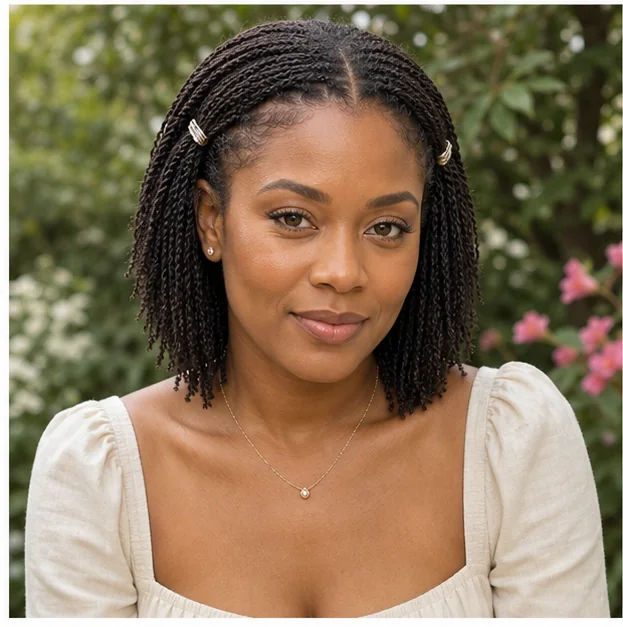
Small sections from each temple sweep back and meet near the crown while the rest of the mini twists remain loose. The open shape highlights the eyes, adds a subtle heart-like frame around the face and can make you feel softly romantic without requiring an elaborate updo. It suits medium and long installations, although crossed pins can catch individual ropes during removal. Ask for slightly shorter temple twists, then use smooth hairpins or a small covered barrette and slide it beneath—not through—the twist bundles.
Ask your stylist for: Shorter flexible temple twists designed to sweep back beneath a smooth covered barrette.
16. Asymmetrical Mini Twist Updo

Most of the twists roll into an off-center shape above one ear while a slim group falls freely on the opposite side. The diagonal structure can balance a broad forehead, show the neck beautifully and make you feel artistic and memorable at weddings or evening events. Because the style concentrates weight, it should be pinned across a broad base rather than hanging from a few roots. Ask for flexible parting and moderate-density twists, then build the roll with several long smooth pins that distribute pressure evenly.
Ask your stylist for: Moderate-density flexible twists suitable for a broad, evenly pinned off-center roll.
17. Mini Twists With Extensions
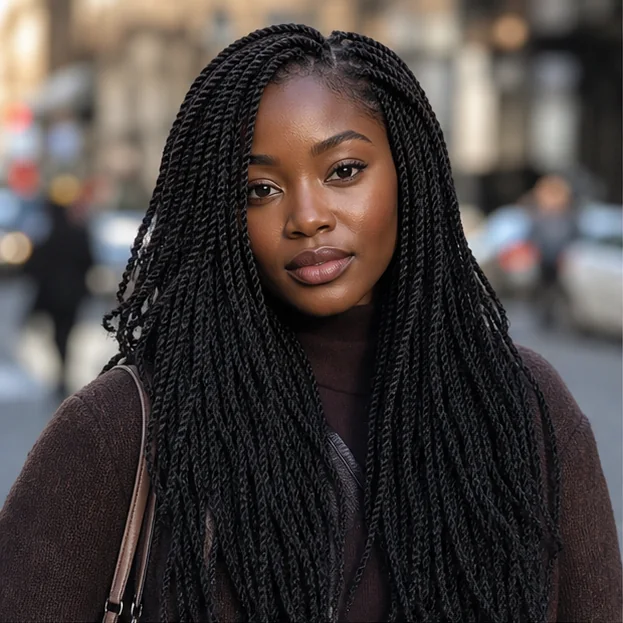
Fine extension hair blends into natural sections to create longer mini twists with consistent ends and an airy silhouette. The extra length increases styling range, can make sparse ends look fuller and may give you a glamorous sense of change without chemically altering your hair. Added hair also raises the stakes for weight, drying and removal, so mini should never mean overloaded. Ask for a gradual feed-in, human or compatible textured hair used sparingly, generous perimeter sections and a finished bundle you can lift comfortably with one hand.
Ask your stylist for: A sparse gradual feed-in with compatible texture, generous edges and a comfortably lightweight finish.
18. Chunky Mini Twists
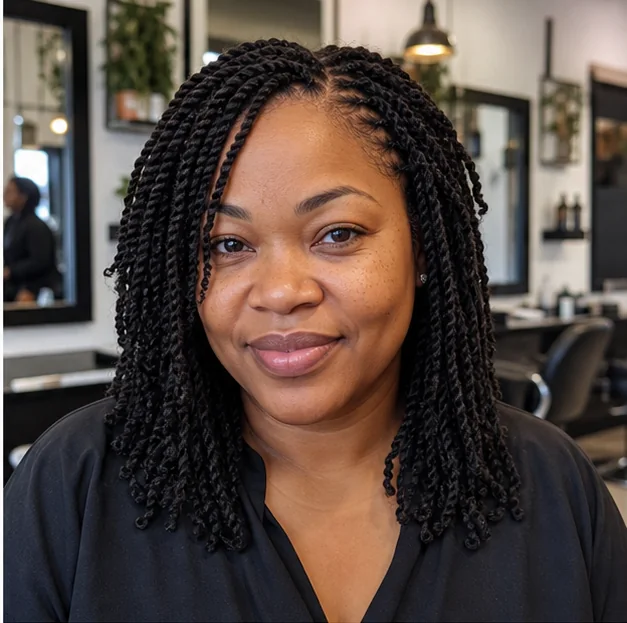
These mini twists sit at the larger end of the category, creating visible rope texture with fewer sections and a plush, separated finish. The scale can make dense hair easier to manage, shorten installation and takedown, and leave you feeling relaxed rather than precious about every strand. It offers less intricate coverage than tiny twists, so clean scalp lines and consistent sizing become more noticeable. Ask for small-to-medium square or organic parts, full twists with even tension and larger sections at the temples so the style stays soft instead of sparse.
Ask your stylist for: Small-to-medium consistent sections with full ropes, even tension and protected temple sizing.
19. Fluffy Mini Twists
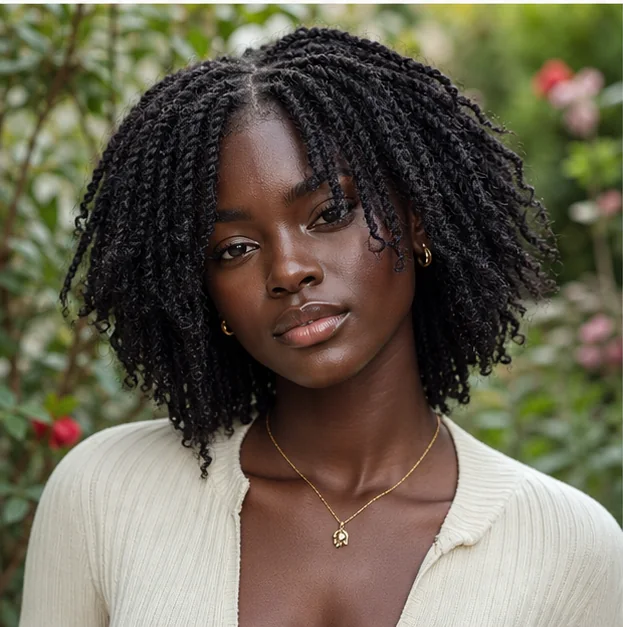
Fluffy mini twists preserve their two-strand pattern but allow a soft halo and slightly expanded roots to build around the silhouette. The fullness makes fine ropes look abundant, softens angular features and can help you feel carefree when the installation begins to look lived in rather than freshly exact. Deliberately fluffy should not mean matted: roots still need separation, cleansing and complete drying. Ask for low-product twists with organic parts and full ends, then refresh only the front row when needed instead of repeatedly retwisting the entire head.
Ask your stylist for: Low-product twists with organic parts, full ends and a softly expanded rather than slick finish.
20. Gray-Blended Mini Twists

Salt-and-pepper hair forms mini twists with dark roots, silver streaks and bright ends woven naturally through the shape. The contrast reveals every rope, brings light around the face and can make you feel sophisticated and fully at ease with your natural color. Coarser gray strands may need more moisture or a slightly firmer hold product, but heavy gel can dull their shine. Ask for sections based on density rather than color, gentle handling at wiry areas and a soft gray-friendly cream that leaves the finished twists flexible.
Ask your stylist for: Density-based sections, gentle handling of wiry silver strands and a flexible, non-dulling cream finish.
Pause and notice: A protective style only protects when roots feel comfortable, the scalp stays clean and dry, and takedown is patient. Persistent soreness, bumps or matting are reasons to remove the style early.
Before You Book the Appointment
A successful salon visit begins with the overall shape, construction and upkeep—not only the finished length. Use this quick reality check before choosing your final reference photograph.
- Best for: Natural and transitioning textures with enough length for a secure two-strand twist; fine or fragile hair benefits from larger sections and fewer twists.
- Signature finish: Many small free-hanging two-strand ropes with lightweight definition, visible movement and natural shrinkage.
- Closest alternatives: Flat twists stay attached to the scalp; micro braids use three strands; Marley twists usually add coarse extension hair; Sisterlocks are a permanent loc system.
- Maintenance: Clean and dry the scalp thoroughly, moisturize lightly, protect with satin, separate the roots gently and remove the style when buildup, matting or discomfort develops.
What Mini Twists Are—and What They Are Not
Mini twists are small two-strand twists made by dividing natural hair into many sections and wrapping each pair of strands around the other from root to end. Each twist hangs freely, which distinguishes the style from flat twists attached to the scalp. Micro braids use a three-strand plait, while Sisterlocks are professionally established locs intended to remain. Marley twists normally add coarse extension fiber. Salon names vary, so bring a reference and describe twist size, parting, length and whether you want your own hair only.
Choosing Twist Size, Parting and Installation Method
The smallest twist is not automatically the best. Match every section to the density and strength of the hair it holds, especially near the temples and nape. Grid parts create a precise finish, while organic sections look softer and can disguise lower density. Twisting damp hair usually produces plumper definition and more shrinkage; stretched dry hair can show more length but must not be pulled tight. If extensions are added, insist on modest amounts and a feed-in that keeps each root comfortable.
How to Ask for Mini Twists at a Salon
Specify whether you want natural-hair-only twists or extensions, then agree on short, shoulder or long length; small or medium-small size; grid or organic parts; and the parting direction you wear most often. Mention ponytails, headbands, workouts and sensitive areas so the roots can move appropriately. Ask for larger sections at the perimeter, no painful grip, full protected ends and a finished density you can cleanse and dry. A test twist at the front helps confirm shrinkage, size and product finish.
Moisture, Cleansing and Realistic Longevity
Mini twists can last for several weeks, but a calendar should never outweigh the condition of your hair and scalp. Apply light moisture to the lengths as needed without soaking the roots daily, cleanse the scalp in sections and let everything dry completely. Satin at night reduces friction; separating neighboring roots helps prevent them from joining. Refresh only a few visible twists instead of repeatedly manipulating the whole installation. Remove the style if soreness, bumps, heavy buildup, persistent odor or root matting develops.
Safe Takedown and the Grow-Out Stage
Confirm where your natural ends stop before cutting any added hair. Coat the twists lightly with conditioner or oil, unravel each rope from the end and finger-detangle shed strands before using a comb. Expect accumulated shed hair after weeks without daily detangling, but watch for snapped short pieces or thinning areas. As roots grow, loose mini twists can still look attractive in headbands and low styles; once sections begin matting together, however, a patient takedown is safer than stretching the style further.
More Hair Inspiration
- 20 Short Natural Hairstyles That Celebrate Your Texture — Explore compact natural styles when you want an even shorter routine.
- 20 Finger Coils That Make Natural Hair Look Beautifully Defined — Compare two-strand mini twists with single-section finger coils.
- 20 Marley Twists That Look Full, Natural and Beautiful — See fuller extension twists when you want more length and volume.