Medium-length hair hits a lovely sweet spot after 50: long enough to sweep back, curl or toss over one shoulder, yet short enough to recover its bounce. The best version is not about looking younger. It is about choosing a shape that works with the hair you have now and makes everyday styling feel more rewarding.
Medium-length hairstyles for women over 50 usually sit from the shoulders to the collarbone or upper chest. Unlike a bob-only guide, this category includes strong blunt perimeters, flowing layers, modern shags, curls and styled finishes. The signature is useful length without the weight of very long hair, tailored to density, texture, face shape and routine rather than an age rule.
Find the one that feels like you: Start with the first look and let the photographs lead. Each style explains how the shape affects your features, the mood it creates and the exact words to take to your stylist.
1. Collarbone Lob With Soft Face-Framing Layers
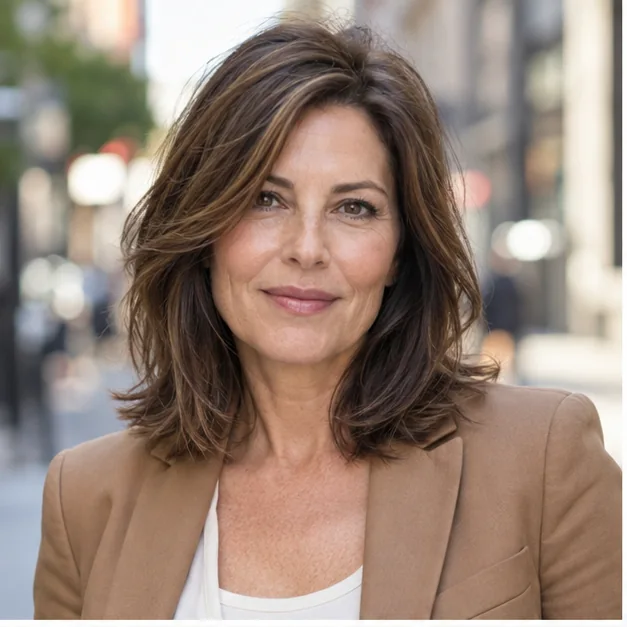
This collarbone lob keeps a reassuringly full baseline while a few long pieces curve from the cheekbones toward the jaw. That placement lifts attention toward the eyes and softens a square or heart-shaped face without sacrificing the density that makes medium hair look healthy. It feels quietly polished and remains easy to pull into a low ponytail on busy mornings. Ask for a collarbone perimeter, minimal internal layering and face-framing that starts at the cheekbone; dry it with a medium round brush, then let the ends bend rather than curl tightly.
Ask your stylist for: Keep the perimeter at the collarbone with minimal internal layers and cheekbone-starting face framing.
2. Blunt Shoulder Cut for Fine Hair
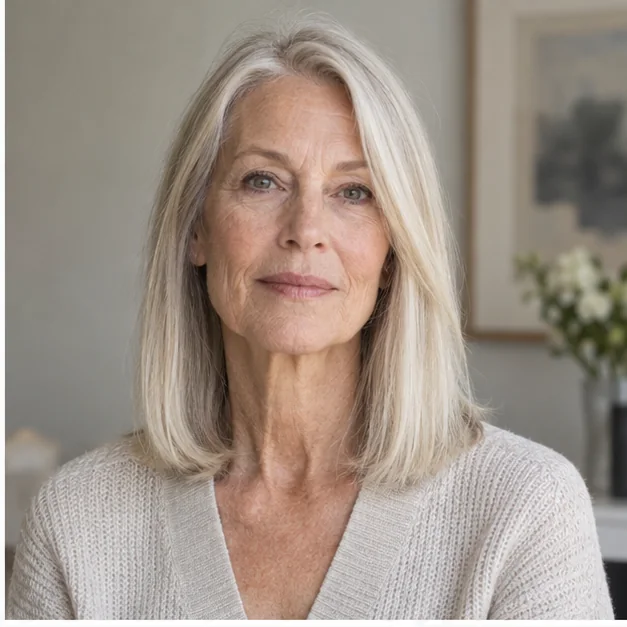
A nearly one-length shoulder cut gathers fine strands into a solid, light-catching edge instead of letting them disappear into wispy layers. The visual weight at the bottom can make hair look thicker and gives oval or long faces a calm horizontal balance. It has a confident, modern simplicity and needs less daily coaxing than a heavily layered shape. Request a blunt shoulder-skimming line with only invisible internal movement and no razored ends; use a lightweight root mousse and turn the tips under with one slow pass of a round brush.
Ask your stylist for: Cut a blunt shoulder-skimming perimeter with invisible internal movement and no razored ends.
3. Air-Dried Wavy Lob
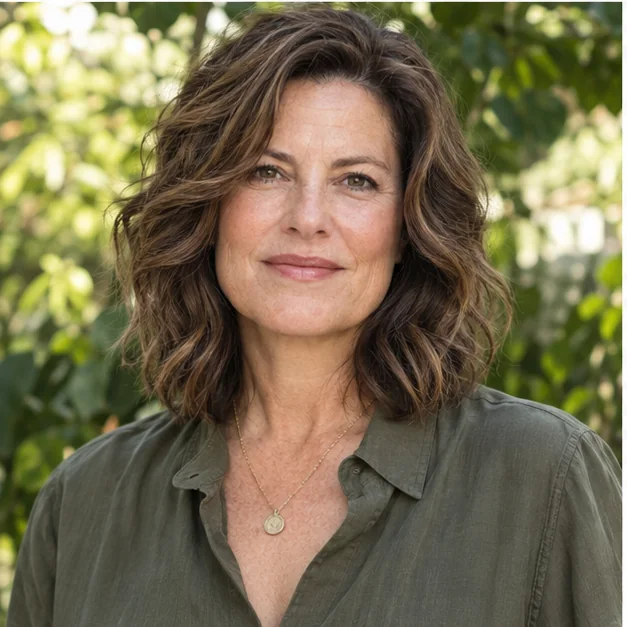
Natural waves give this lob an irregular, airy outline that lands between the shoulders and collarbone. Long, restrained layers prevent a triangular shape while preserving enough weight for clumps to form, which can soften angular features and make a simple routine look intentional. The effect feels relaxed, lively and wonderfully unfussy. Tell your stylist you want a dry-shape-friendly wavy lob with long internal layers and a weighty perimeter; apply mousse to soaking-wet hair, scrunch once and resist touching it until completely dry.
Ask your stylist for: Shape a collarbone wavy lob with long internal layers, a weighty edge and no short crown pieces.
4. Side-Swept Bangs With Polished Layers
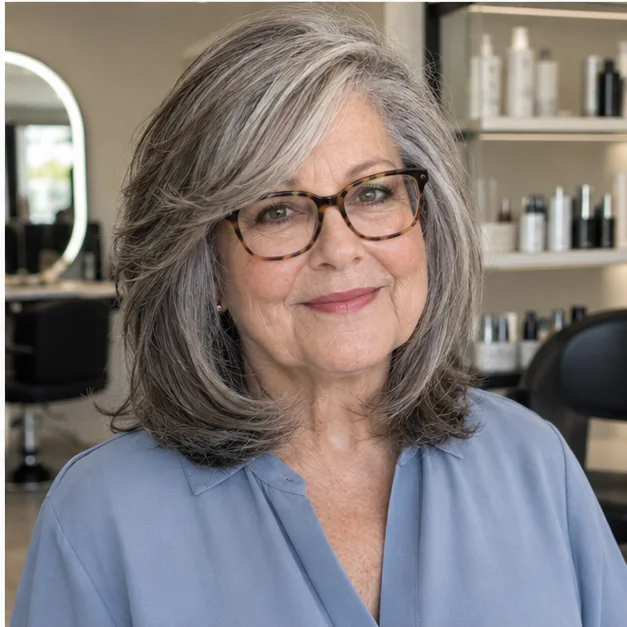
A long side-swept fringe glides into smooth shoulder-length layers, creating a continuous diagonal that opens one side of the face. It can soften a broad forehead, flatter glasses and lend round faces a little visual length while retaining a professional finish. The sweep feels sophisticated rather than severe and can be pinned back as it grows. Ask for bangs that begin around eyebrow level on the short side and blend into cheekbone layers; blow-dry them across the forehead in both directions before settling them into the preferred part.
Ask your stylist for: Add long side-swept bangs that begin near the brow and blend into cheekbone-length layers.
5. Rounded Layers for Thick Hair
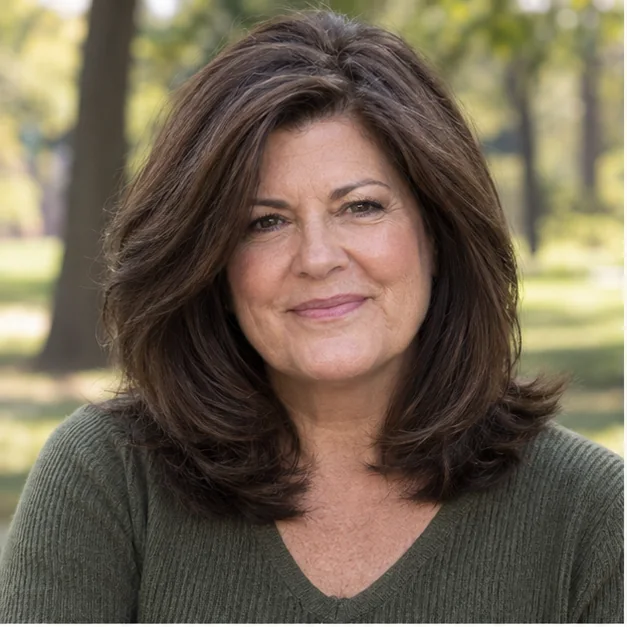
These connected layers curve around the head and finish in a soft U-shaped perimeter just below the shoulders. Strategic internal weight removal lets thick hair swing instead of expanding sideways, bringing graceful balance to square and round faces. The generous movement feels glamorous but still controlled, especially for someone who enjoys a smooth blowout. Request long rounded layers, hidden debulking through the interior and a full U-shaped hem—never aggressive thinning at the surface; alternate the round-brush direction so the finish stays buoyant rather than helmet-like.
Ask your stylist for: Create long rounded layers with hidden internal debulking and a full U-shaped perimeter.
Pause and notice: A full perimeter usually helps fine hair; hidden internal layers often serve thick hair better than visible thinning.
6. Soft Modern Shag With Wispy Bangs
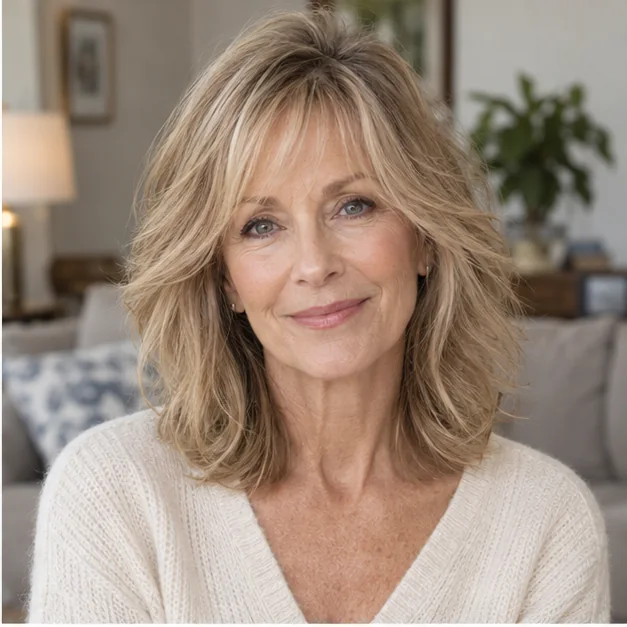
A soft shag introduces shorter crown layers, feathery cheek pieces and a light fringe while keeping the longest hair near the collarbone. The lifted top can give fine or wavy hair more presence and visually lengthen a round face, yet the blended construction avoids a harsh retro outline. It feels spirited, casual and a little rock-and-roll without demanding perfection. Ask for a modern medium shag with soft crown elevation, cheekbone pieces and see-through bangs; refresh it with texture spray at the roots and finger-twist only the pieces that lose their bend.
Ask your stylist for: Cut a soft collarbone shag with gentle crown lift, cheekbone pieces and airy wispy bangs.
7. Silver Layered Blowout
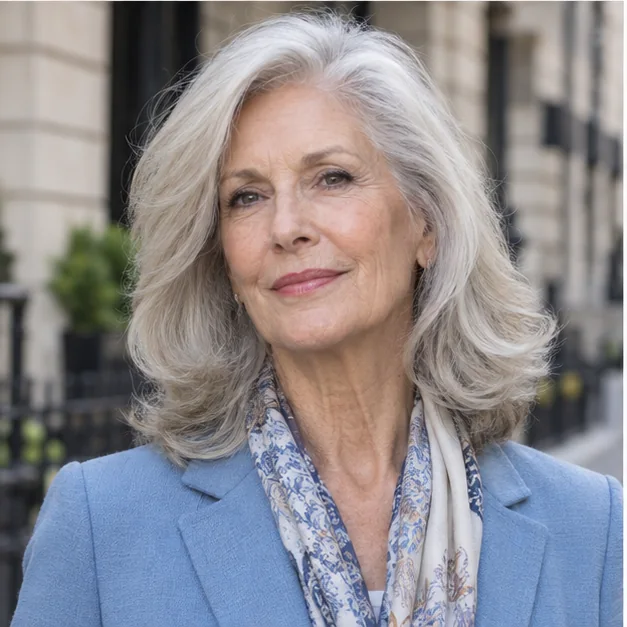
Long layers sweep away from the face in broad, polished curves, allowing natural silver tones to catch light through every bend. The outward movement opens the cheek area and creates width that can flatter a long or narrow face, while the lifted roots keep the color from appearing flat. It feels celebratory, elegant and ready for an occasion without looking stiff. Ask for shoulder-to-collarbone layers that can roll away from the face and a softly rounded perimeter; use heat protectant, lift each section at the root and finish on cool to preserve shine.
Ask your stylist for: Add shoulder-to-collarbone layers designed to sweep away from the face with a rounded perimeter.
8. Curly Shoulder Cut With Rounded Shape
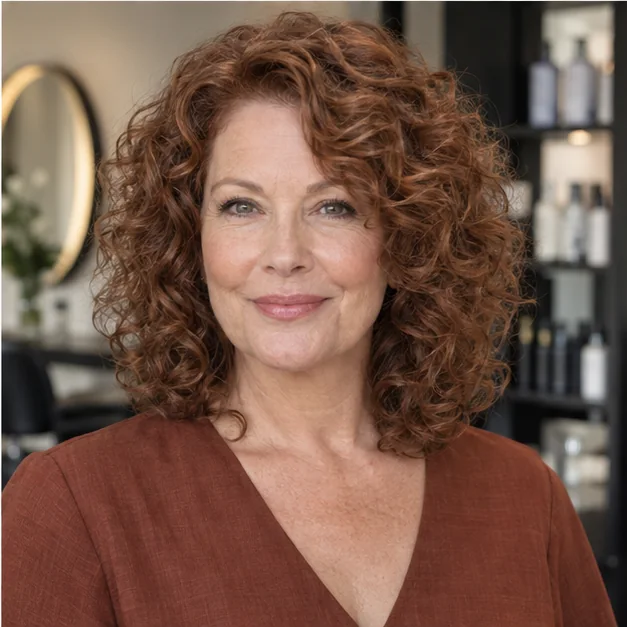
This curl-by-curl shape sits at the shoulders with a rounded silhouette and enough crown lift to keep the sides from becoming heavy. Graduated lengths let ringlets stack naturally, which frames an oval or angular face with softness and keeps the routine focused on definition rather than straightening. The result feels joyful, expressive and completely at home in its texture. Request a dry curl cut with a rounded outline, controlled crown elevation and room for shrinkage; distribute gel over very wet hair and diffuse on low without breaking the cast until the curls are dry.
Ask your stylist for: Shape curls dry into a shoulder-length rounded silhouette with controlled crown lift and shrinkage allowance.
9. Curtain Fringe With Collarbone Layers
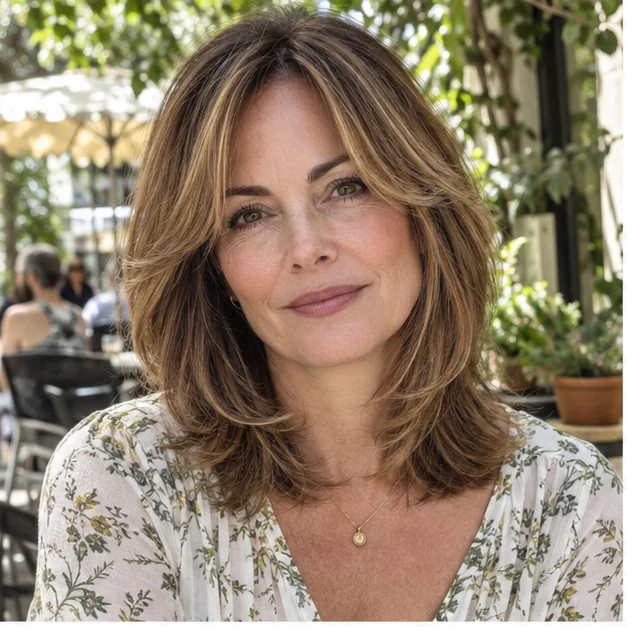
A center-splitting curtain fringe opens around the eyes and melts into collarbone layers, creating movement without closing off the face. The curved pieces can soften a prominent forehead or angular jaw and are long enough to tuck away, making them friendlier than a full blunt bang. This version feels romantic, approachable and easy to change with the parting. Ask for curtain bangs that are shortest near the brows and blend at the cheekbones, plus long layers below; blow-dry the fringe forward first, then roll it back and apart for a soft drape.
Ask your stylist for: Cut brow-to-cheekbone curtain bangs that blend into long collarbone layers.
10. Sleek Angled Lob
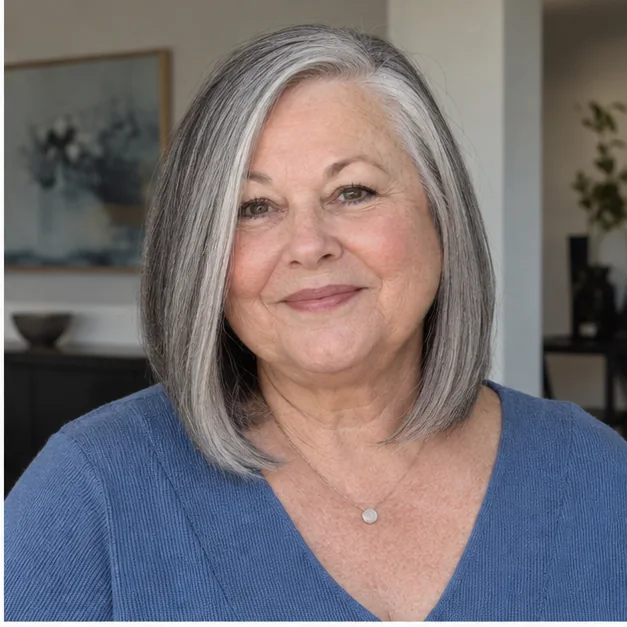
The back of this sleek lob rests just above the shoulders while the front extends toward the collarbones in a restrained angle. Those longer front lines skim the jaw and can visually elongate a round face, while the clean surface makes naturally straight hair look especially glossy. It feels decisive, contemporary and polished enough for a demanding workday. Request a subtle A-line perimeter with no stacked back and very little layering; smooth it with a paddle brush, use heat protectant near the front and book trims before the angle loses its deliberate line.
Ask your stylist for: Create a subtle collarbone A-line lob with no stacked back and minimal layering.
Pause and notice: Bring photos of the shape from the front, side and back. Length words alone can mean different things in different salons.
11. Flipped Ends With a Deep Side Part
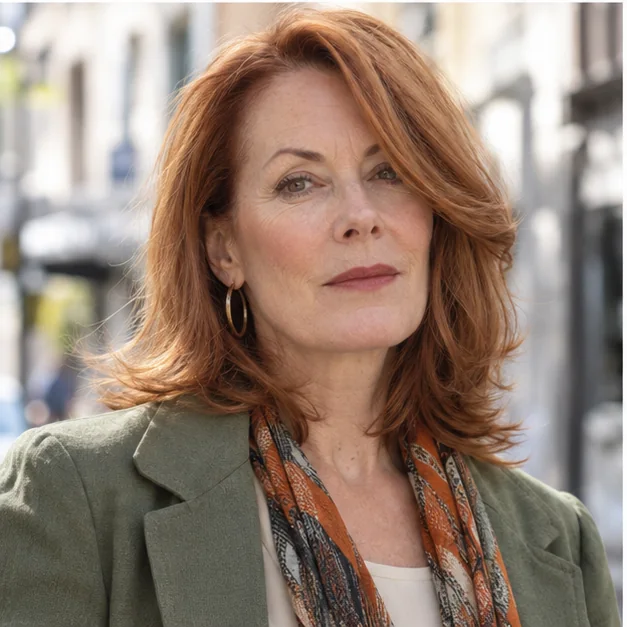
A smooth shoulder-length cut turns outward at the tips while a deep side part creates a confident sweep across the crown. The flipped line adds width near the shoulders, balancing a long face and giving medium-density hair a fuller-looking finish without short layers. It feels playful, upbeat and polished with a subtle nod to the 1960s. Ask for a solid shoulder perimeter with gentle beveling only at the ends and enough front length to sweep; bend the last inch outward with a round brush or large iron and keep the roots softly lifted.
Ask your stylist for: Keep a solid shoulder perimeter, lightly bevel the ends and preserve enough front length for a deep side sweep.
12. Low-Maintenance Textured Clavicut
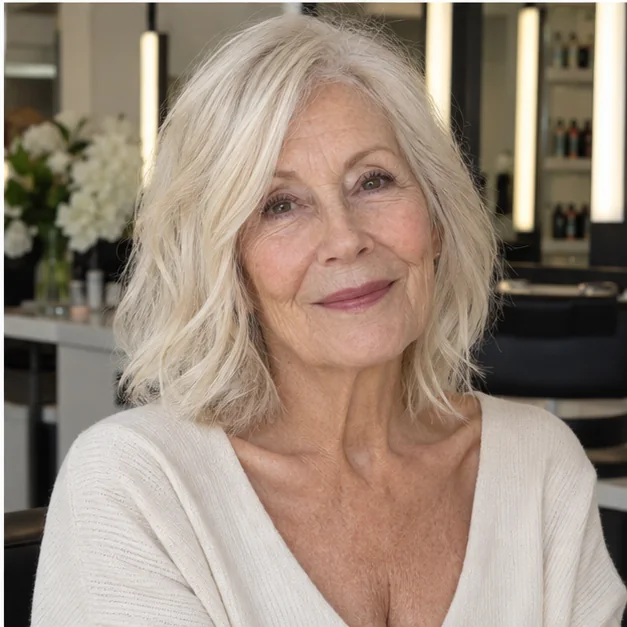
The clavicut lands directly at the collarbones with subtle, broken-up ends and sparse internal layers that encourage natural bends. Its flexible perimeter suits many face shapes and grows out without the obvious loss of line that comes with a shorter bob, making salon visits easier to stretch. The finish feels relaxed, current and believable on ordinary days. Ask for collarbone length, soft point-cut ends and barely there internal layering with no short surface pieces; air-dry with a light cream or add a few loose bends only where the hair falls flat.
Ask your stylist for: Cut precisely at the collarbones with soft point-cut ends and minimal invisible internal layers.
13. Voluminous C-Shaped Layers
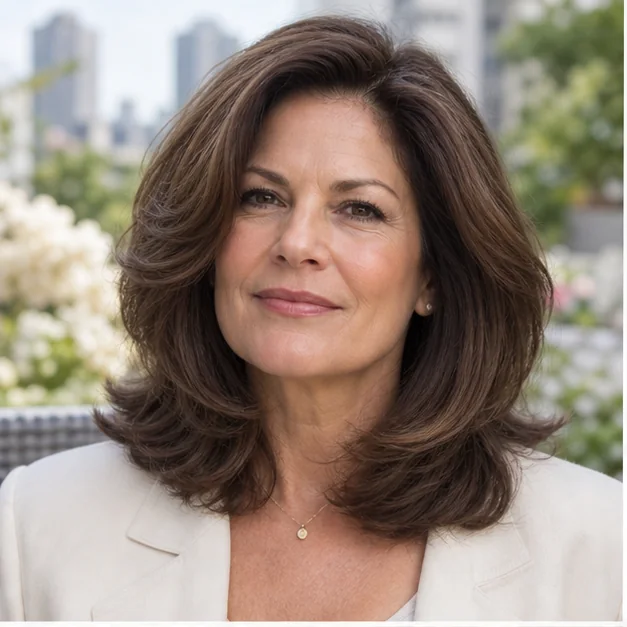
Long C-shaped layers curve inward around the face and through the ends, building a plush outline without a bubble effect. The repeating curves can soften a strong jaw, give medium or thick hair controlled movement and make a blowout hold its shape longer. It feels luxurious and composed, yet the layers remain long enough for easy tying back. Request connected C-shaped layers beginning below the chin with a full collarbone-length base; blow-dry in sections with a large round brush and pin each warm curve briefly while it cools.
Ask your stylist for: Add connected C-shaped layers from below the chin while keeping a full collarbone base.
14. Tousled Layers for Glasses
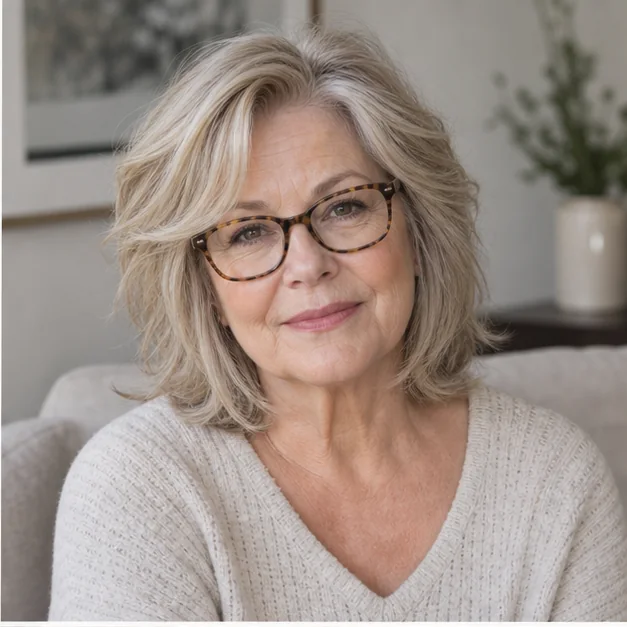
Lightly tousled layers begin below the cheekbones, leaving the temple area open so frames do not compete with a heavy fringe. The broken movement adds softness around the lower face and can make straight or gently wavy hair appear fuller without crowding the eyes. It feels friendly, intelligent and casually stylish, especially when the finish is not overly set. Ask for frame-clearing cheekbone pieces, long disconnected texture and a shoulder-skimming base; work a pea-size styling cream through the ends and keep products away from the arms of the glasses.
Ask your stylist for: Create frame-clearing cheekbone pieces, long airy texture and a shoulder-skimming perimeter.
15. Long Bob With Hidden Layers
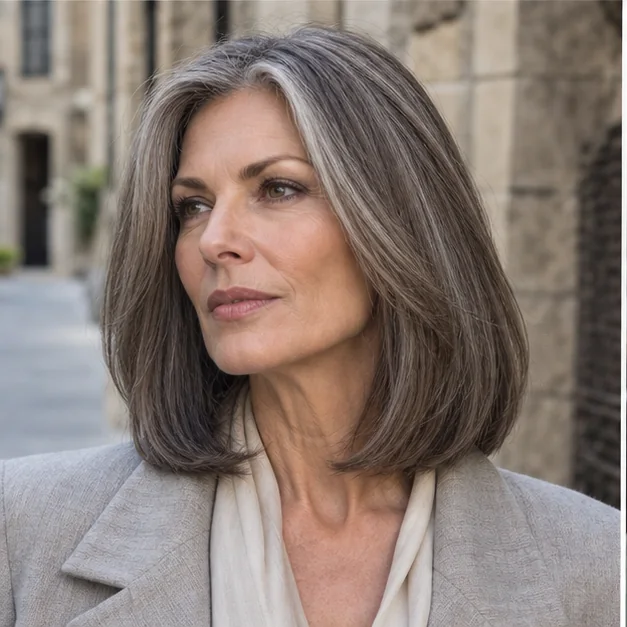
From the outside, this long bob reads as a clean collarbone line; underneath, discreet layers remove weight and help the ends move. The construction is especially useful for dense straight or wavy hair that becomes bulky in a one-length cut, and it keeps the surface smooth enough to flatter angular features. It feels sleek, capable and surprisingly light. Ask for an unbroken lob perimeter with invisible internal layers through the lower half and no thinning near the crown; use a smoothing lotion and direct the dryer downward to maintain the reflective finish.
Ask your stylist for: Preserve a clean collarbone lob outline while adding invisible internal layers through the lower half.
Pause and notice: If you wear glasses every day, check where bangs and temple layers meet the frames before committing.
16. Soft Wolf-Inspired Medium Cut
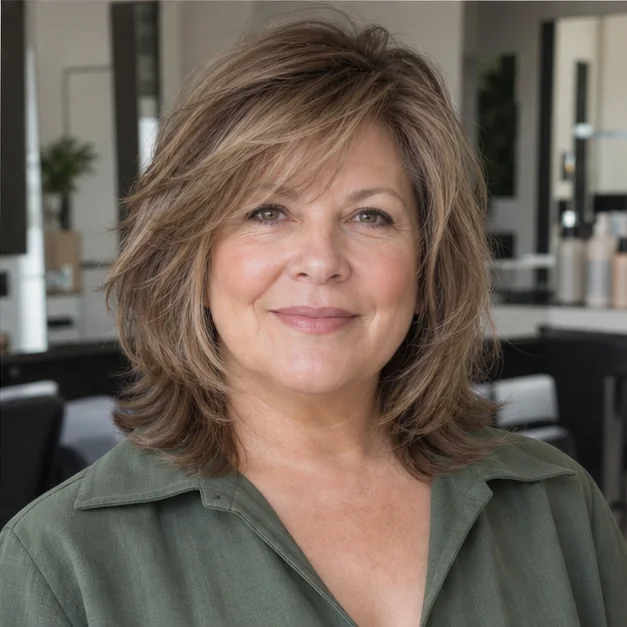
This softened wolf shape combines crown lift, cheek-hugging pieces and wispy collarbone ends, but keeps the contrast gentler than a dramatic mullet. It can animate fine wavy hair, balance a round face with height and turn air-dried texture into part of the design rather than a flaw. The mood is creative, free and modern without feeling costume-like. Ask for a blended wolf-inspired cut with moderate crown layers, face framing and a substantial lower perimeter; scrunch with foam and avoid brushing once dry so the separated texture remains intentional.
Ask your stylist for: Cut a softly blended wolf shape with moderate crown layers, face framing and a substantial collarbone perimeter.
17. Shoulder-Length Coils With a Soft Fringe
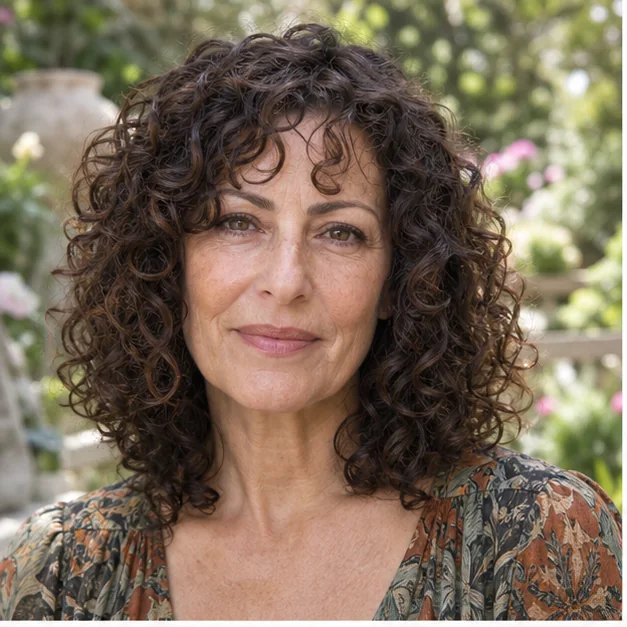
Defined coils form a rounded shoulder-length shape with a soft fringe that rests above the brows after shrinkage. The fringe draws attention to the eyes, while graduated outer layers keep the silhouette balanced instead of bottom-heavy; it is especially flattering when the face benefits from gentle width and softness. The style feels expressive, warm and beautifully self-assured. Request a dry coil-by-coil cut with a rounded outline, shrinkage-safe fringe and no aggressive thinning; layer leave-in under gel, stretch only the roots while drying and trim according to the curls' dry position.
Ask your stylist for: Shape coils dry into a rounded shoulder silhouette with a soft, shrinkage-safe curly fringe.
18. Feathered Medium Cut
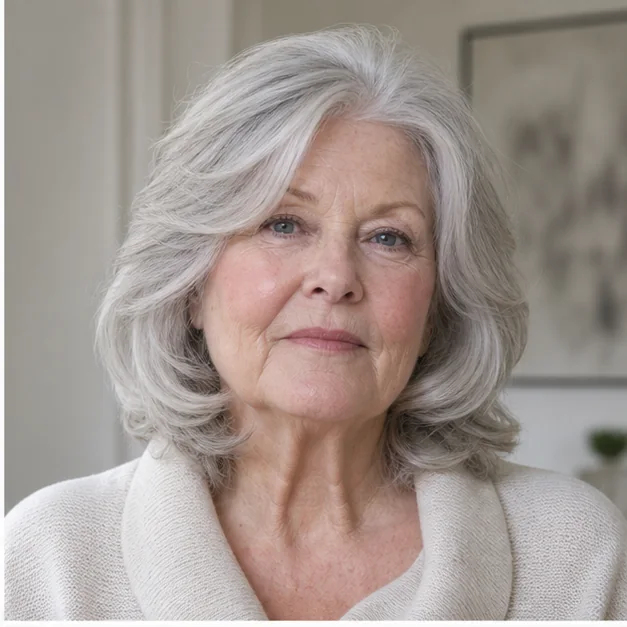
Feathered layers sweep back from the temples and cheeks, building lightness around a shoulder-length base. This open direction can highlight cheekbones, soften a broad jaw and give straight medium-density hair more animation without removing all its substance. It feels optimistic, polished and pleasantly familiar while still looking current when the ends stay soft. Ask for long feathered layers that begin around the cheekbones and flow backward, with a full perimeter below; blow-dry away from the face and use a flexible spray so the pieces move naturally.
Ask your stylist for: Add long feathered layers from the cheekbones, directed away from the face over a full shoulder base.
19. Center-Parted Waves With Full Ends
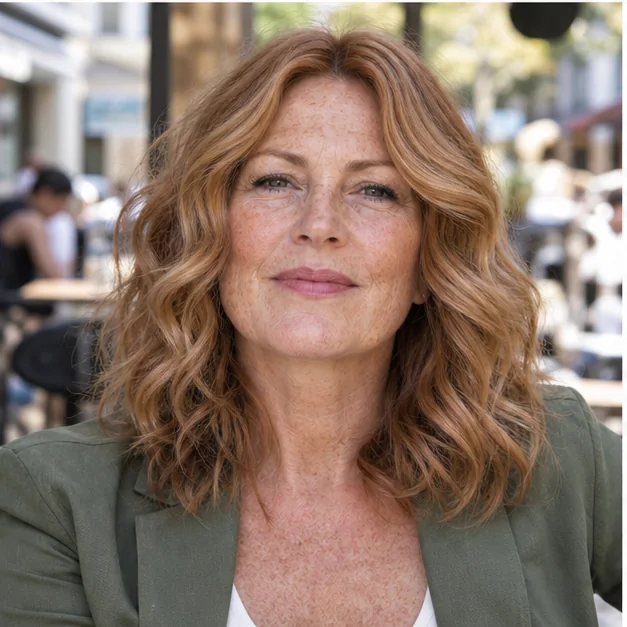
A center part and loose S-waves create symmetry, while the collarbone-length ends remain full rather than tapered. The vertical opening can subtly lengthen a round or square face, and the substantial baseline helps fine-to-medium hair look healthy even after the waves relax. It feels serene, feminine and naturally put together for day or evening. Ask for a center-parted clavicut with minimal layering and strong ends, then wrap large sections loosely around an iron in alternating directions; leave the final inch straighter for a softer, more modern result.
Ask your stylist for: Keep a strong collarbone perimeter with minimal layers and enough front length for a clean center part.
20. Elegant Low Twist on Medium Hair
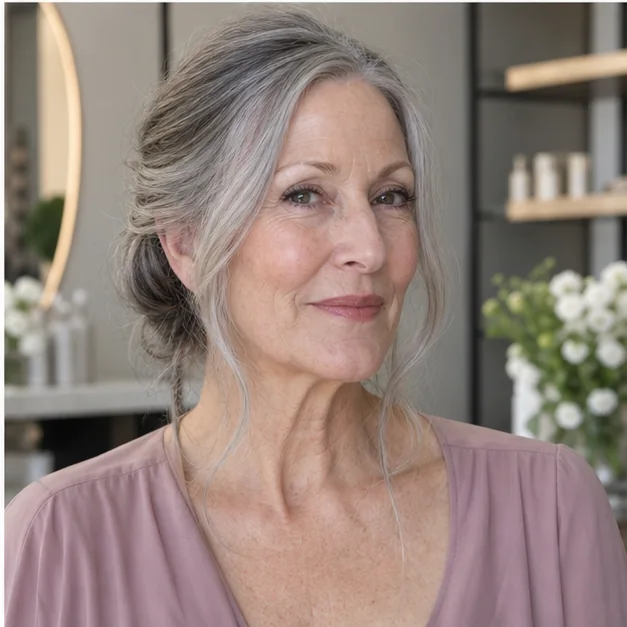
Collarbone hair gathers into a soft low twist with a few deliberate pieces left around the face, proving that medium length still offers occasion-ready versatility. The lifted crown and open neckline can elongate the profile, while the loose front pieces soften the jaw and keep the style from feeling formal or severe. It feels graceful, confident and special without requiring an elaborate updo. Ask your stylist to preserve enough perimeter length for pinning and add only long face framing; for styling, texturize first, anchor the twist low and cross the pins so it survives an evening comfortably.
Ask your stylist for: Maintain pin-friendly collarbone length with long face framing and no short layers at the nape.
Pause and notice: Choose the version you can enjoy on an ordinary morning, not only the one you love after a professional blowout.
Before You Book the Appointment
A successful salon visit begins with the overall shape, construction and upkeep—not only the finished length. Use this quick reality check before choosing your final reference photograph.
- Best for: Anyone who wants styling versatility without the weight and drying time of very long hair.
- Signature length: Roughly shoulder to collarbone or upper chest, with enough length to tie back.
- Closest alternatives: A bob usually sits at or above the shoulders; long hair extends well below the collarbones; a lob is one medium-length silhouette rather than the whole category.
- Maintenance: Most shapes benefit from trims every 8–12 weeks, adjusted for fringe, bluntness, heat use and the desired grow-out.
Choose Shape by Density and Texture
Fine hair often looks fuller with a strong perimeter and restrained layering. Thick hair may need invisible internal weight removal, while waves and curls need layers placed according to shrinkage and clump pattern. Gray hair is not one texture, so base decisions on how your own strands behave.
What to Ask For at the Salon
Name the dry finishing length, perimeter shape, shortest face-framing point, layer placement, fringe and usual part. Explain whether you air-dry, heat-style or need to tie the hair back, and bring front, side and back references that match your texture.
Styling, Maintenance and Grow-Out
Use heat protectant before hot tools and choose lightweight products that suit density. Blunt and angled lines show growth sooner, while clavicut and long-layered shapes tend to soften gracefully. Schedule fringe trims separately if needed and reassess layers when ponytails become spiky or the ends stop moving.
More Hair Inspiration
- 20 Shoulder-Length Layered Haircuts That Look Full, Soft and Easy to Style — Compare layer-focused shoulder cuts for every age.
- 20 Layered Bob Haircuts for Women Over 50 That Look Fresh and Full — Explore shorter, bob-specific options.