A bob can feel wonderfully clarifying after 50: enough length to frame the face, yet little enough to make everyday styling feel intentional again. A layered bob sits between the jaw and shoulders and uses shorter internal or surface sections to create movement, contour or lift instead of relying on one blunt perimeter. It differs from a stacked bob, which builds concentrated graduation at the back; a bixie, which is cropped above bob length; and a lob, which usually reaches the shoulders or collarbone. These 20 ideas show how thoughtful layer placement can preserve fullness, work with silver or changing density and create a shape that feels current without asking you to look like anyone but yourself.
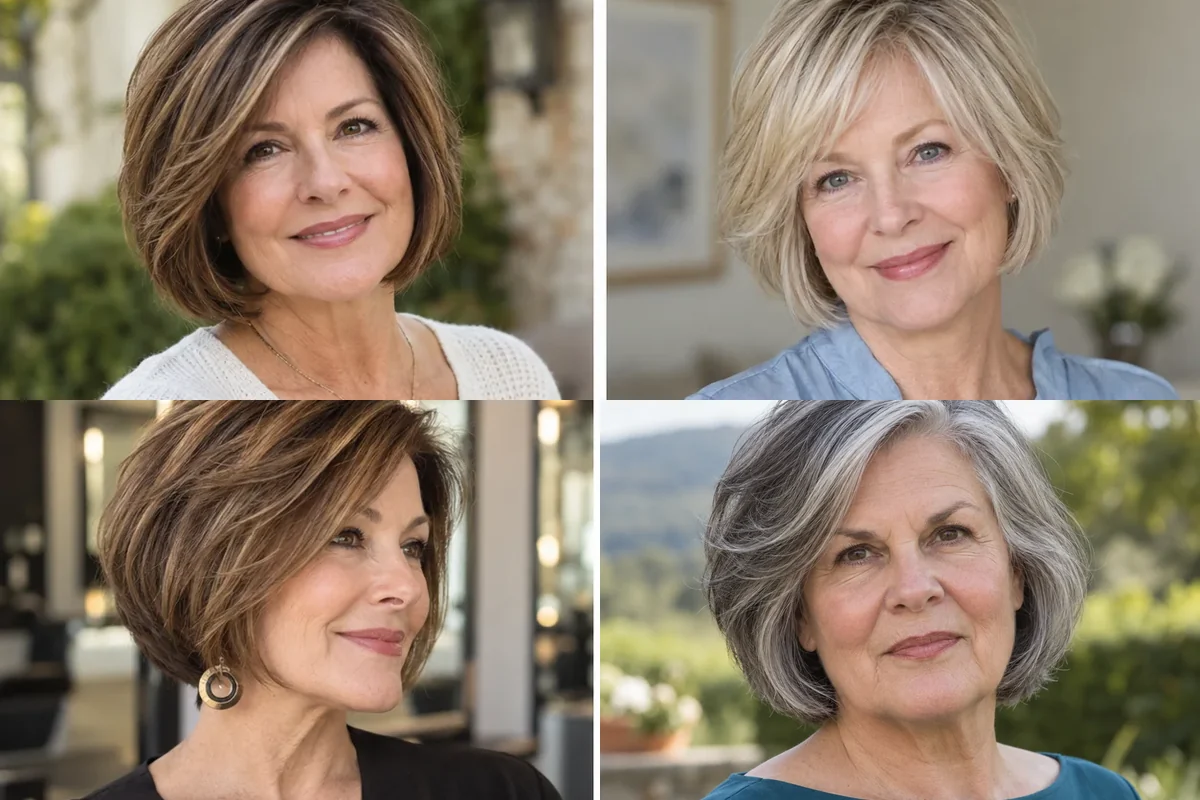
Best for: Anyone wanting bob-length structure with more movement, contour or crown lift than a blunt cut provides. Signature shape: A jaw-to-shoulder bob perimeter combined with shorter internal, surface or face-framing sections. Maintenance: Most versions need a trim every six to eight weeks; softer long-layered shapes may stretch to ten, while bangs or precise stacks need earlier attention. Closest alternatives: A blunt bob has a uniform baseline, a stacked bob concentrates graduation at the back, a bixie is shorter, and a lob reaches the shoulders or collarbone.
1. Classic Chin-Length Layered Bob
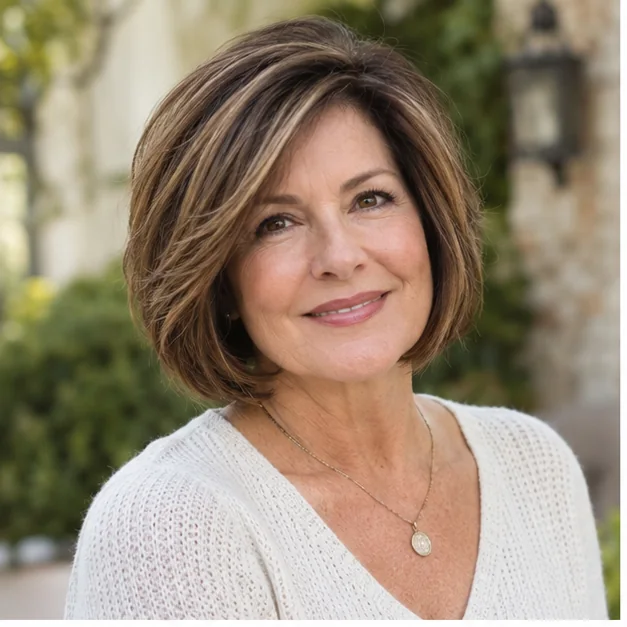
This classic bob finishes at the chin, with softly connected layers that lift the crown while leaving the bottom edge substantial. The clean length draws attention to the jaw and cheekbones, and the controlled movement feels confident and polished without looking stiff. It works especially well for medium-density straight or gently wavy hair and can be smoothed with a round brush in minutes. Ask for a chin-length perimeter, subtle crown elevation, face-framing pieces beginning near the cheekbones and no aggressive thinning through the ends; a trim every six to eight weeks keeps the outline deliberate.
Ask your stylist: Keep a chin-length perimeter with subtle crown elevation and cheekbone-level face framing.
2. Soft Layered Bob for Fine Hair
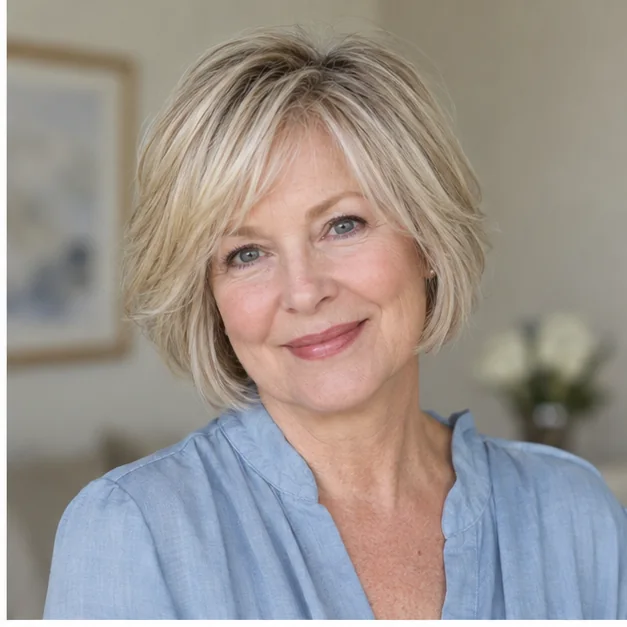
Long internal layers give this jaw-skimming bob movement without turning fine ends wispy or transparent. The retained perimeter makes hair look denser, while a little lift around the crown brightens the face and creates a quietly elegant, well-rested impression. Use root mousse sparingly and dry the roots upward before smoothing the ends, which keeps the routine refreshingly simple. Tell your stylist to keep a strong one-length baseline, add only shallow internal elevation above the occipital bone and avoid razoring or heavy texturizing; plan trims about every eight weeks.
Ask your stylist: Preserve a strong jaw-length baseline and add only shallow internal layers above the occipital bone.
3. Stacked Layered Bob With Lifted Back
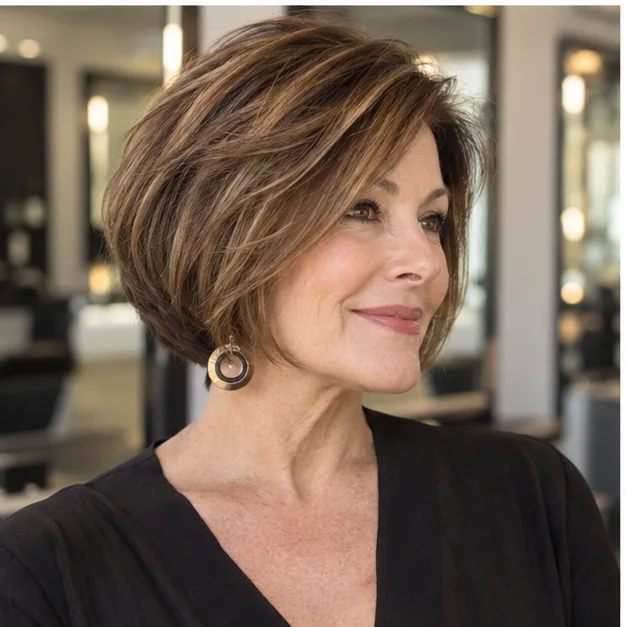
Closely graduated layers build a rounded, lifted back, then flow into slightly longer sides that graze the jaw. That volume can make a flatter crown look fuller and gives the profile a composed, architectural shape that feels smart and energetic. The cut works best if you enjoy a quick blow-dry with a small round brush, because the stacked area can collapse when left damp at the roots. Ask for graduation below the occipital bone, a softly beveled neckline, connected rather than shelf-like layers and enough front length to tuck behind the ears; expect a six-week trim cycle.
Ask your stylist: Graduate below the occipital bone, bevel the nape softly and connect the stack into longer sides.
4. Silver Layered Bob With Side Part

A sweeping side part opens one side of the face while feathery, jaw-length layers reveal the dimension in silver and charcoal strands. The diagonal line can soften symmetry, add height over the brow and make natural gray feel luminous, modern and intentional. This suits straight to wavy hair, particularly when the front has enough density to hold a sweep; lightweight shine cream controls wiry flyaways without flattening it. Request soft crown lift, cheekbone face framing and a movable side part rather than a fixed short fringe, then protect brightness with occasional violet shampoo.
Ask your stylist: Create a jaw-length layered bob with soft crown lift, cheekbone framing and a flexible side part.
5. Wavy Air-Dried Layered Bob

This relaxed bob follows the natural wave pattern, with longer layers placed where bends need room instead of being cut into a uniform triangle. The broken-up outline softens the jaw, creates visible movement and can make an everyday air-dry feel breezy and self-assured rather than unfinished. It is ideal for 2A to 2C texture and a routine built around leave-in conditioner, light foam and hands-off drying. Ask for a dry shape assessment, a length between jaw and neck, long layers that respect the wave groups and minimal thinning at the perimeter so humidity produces softness rather than frizz.
Ask your stylist: Shape the natural wave groups dry, keep the perimeter substantial and add long connected layers.
A useful pause: Fine hair usually looks fuller when the baseline stays strong, while thick hair often feels better when weight is removed underneath. Layer placement matters more than quantity.
6. Curly Rounded Layered Bob
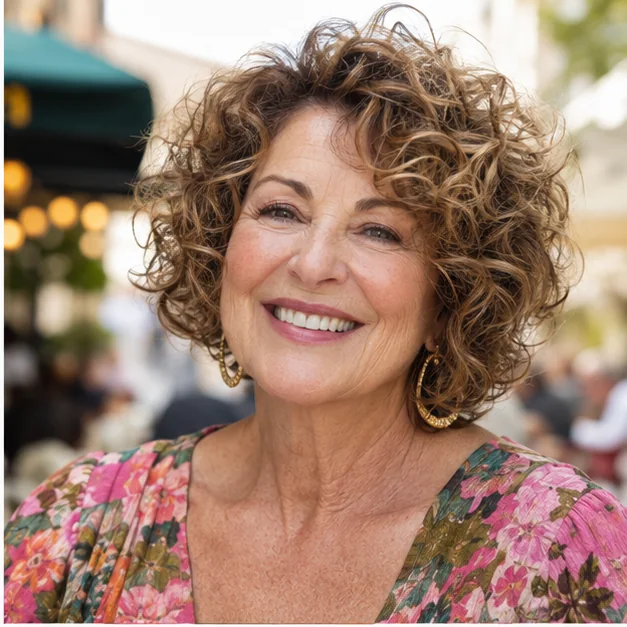
Springy curls form a rounded halo between the cheekbones and jaw, with shorter crown pieces preventing a heavy triangular base. The balanced volume softens an angular jaw, brings animation around the eyes and feels joyful, expressive and beautifully natural. It suits curl patterns that shrink noticeably, so judge the final length dry and avoid brushing once the product cast has formed. Ask for curl-by-curl shaping in the usual part, controlled crown elevation, enough weight above the ears and a dry fringe check; refresh with water and foam rather than piling on heavy butter.
Ask your stylist: Dry-cut each curl into a rounded jaw-length bob with controlled crown lift and retained side weight.
7. Layered Bob With Curtain Bangs

Center-parted curtain bangs open over the brows and blend through cheekbone layers into a softly textured bob. Their outward curve can soften a high forehead, emphasize the eyes and give the cut a romantic, current mood while still allowing the fringe to be tucked away. This is flexible if you will spend a minute directing the bangs with a small brush or roller after washing. Tell your stylist to cut the shortest point near the brow, sweep the sides toward the cheekbones, connect them into jaw-length layers and leave enough density that the fringe does not separate into fragile strands.
Ask your stylist: Cut a brow-to-cheekbone curtain fringe and connect it smoothly into jaw-length layers.
8. Wispy Fringe Layered Bob

A light, separated fringe skims the brows while airy surface layers keep the chin-length bob from feeling boxy. The broken line draws attention to the eyes, softens a broad forehead and creates an approachable, artistic mood rather than a severe one. It works well for medium or fine straight hair, but the fringe needs gentle daily reshaping and may require a quick wash between full shampoos. Ask for a narrow triangular fringe section, point-cut softness at the brow, longer temple pieces and shallow bob layers that preserve fullness; avoid taking hair too far back from the crown to manufacture bangs.
Ask your stylist: Use a narrow fringe section, point-cut at the brow and preserve longer temple pieces and a full perimeter.
9. Angled Layered Bob
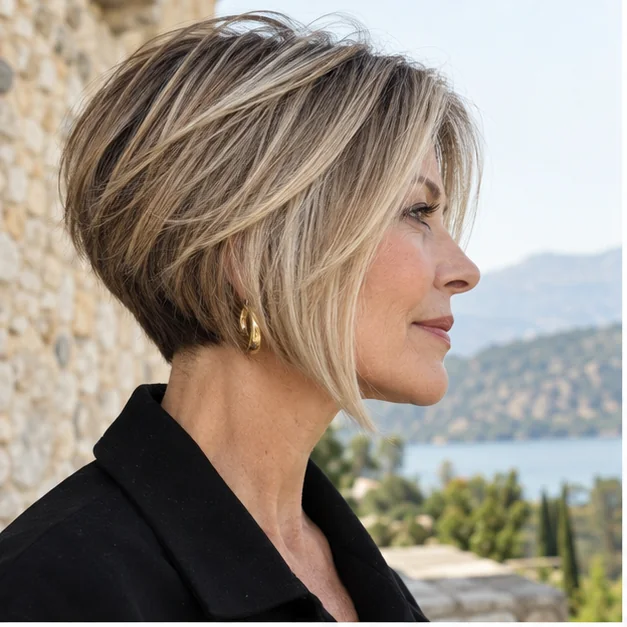
The nape sits shorter while the front travels gradually toward the chin, with restrained layers preventing the diagonal from becoming rigid. That forward angle can visually lengthen a round face, define the jaw and make the wearer feel sleek and purposeful even when the finish is softly tousled. Straight and slightly wavy hair show the line most clearly; dry with a paddle brush and bend only the ends. Request a graduated nape, a continuous forward angle with no abrupt corner, long internal layers for movement and front pieces heavy enough to show the shape when tucked behind the ears.
Ask your stylist: Graduate the nape into a continuous chin-length front angle with long internal layers and strong corners.
10. Layered Bob for Thick Hair

Hidden internal layers release density through the middle of this neck-length bob, while the surface and perimeter remain smooth and controlled. The technique prevents the shape widening into a triangle, reveals natural swing and can make thick hair feel lighter, calmer and easier to dry. It is strong for dense straight or wavy hair, provided weight is removed selectively rather than every end being shredded. Ask for a neck-length outline, internal channel or slide-cut layers beneath the surface, modest crown elevation and solid front corners; use smoothing cream and direct airflow downward to keep the finish glossy.
Ask your stylist: Remove bulk with hidden internal layers while keeping the neck-length surface and front perimeter strong.
A useful pause: Take your everyday glasses and photos of your hair air-dried as well as styled. Those details help a stylist shape the cut for real life.
11. Feathered Layered Bob
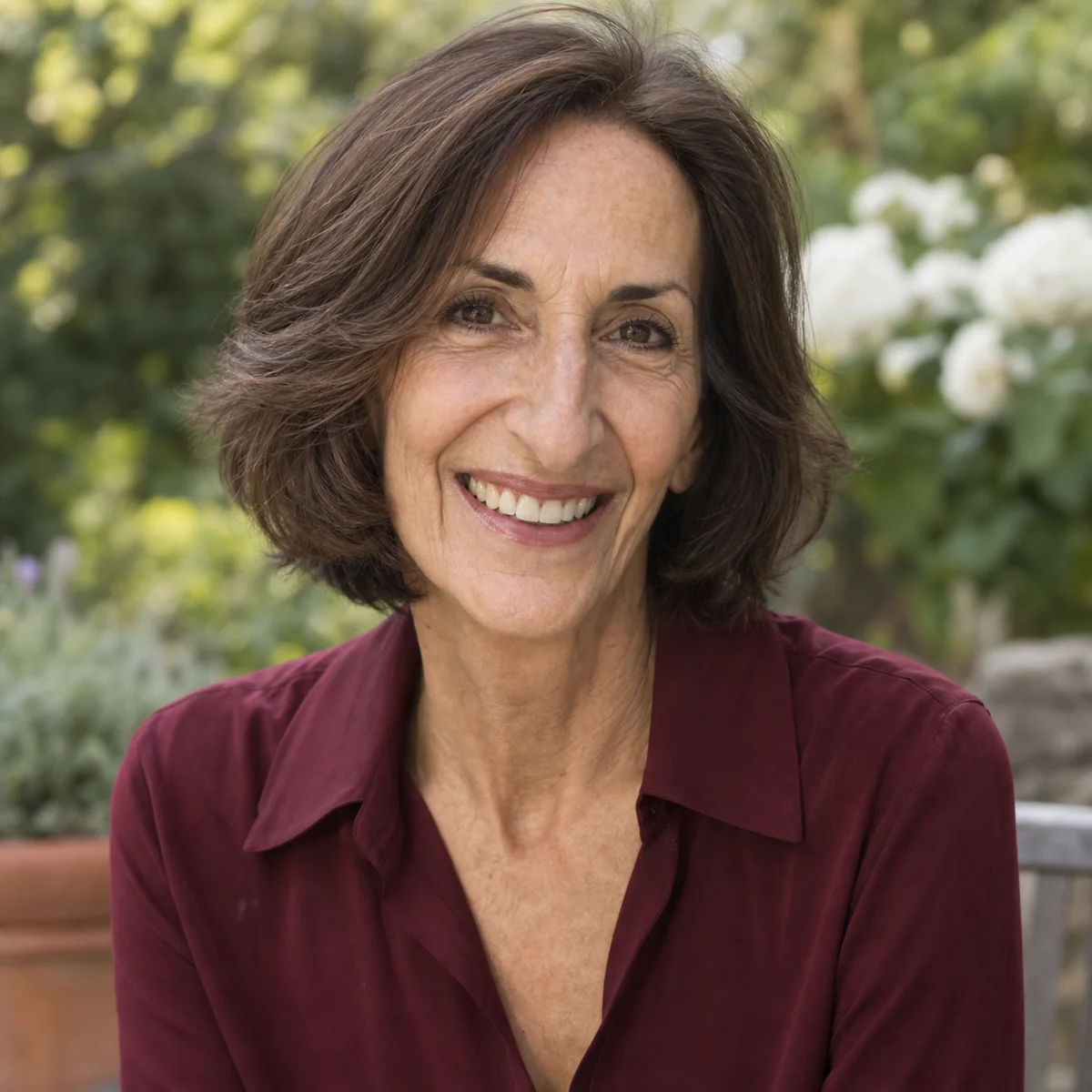
Face-framing layers sweep away from the cheeks and continue into softly feathered ends around the jaw and nape. The outward movement opens the face, balances fuller cheeks and creates a lively, optimistic feeling with a subtle nod to classic salon polish. It suits straight to wavy hair that holds a bend and anyone comfortable using a round brush or heated roller for the flipped direction. Ask for cheekbone-to-jaw face framing, connected medium layers, softly point-cut ends and no disconnected shag crown; dry sections away from the face and let them cool before loosening with your fingers.
Ask your stylist: Connect cheekbone framing into medium feathered layers with softly point-cut jaw-length ends.
12. Glasses-Friendly Layered Bob
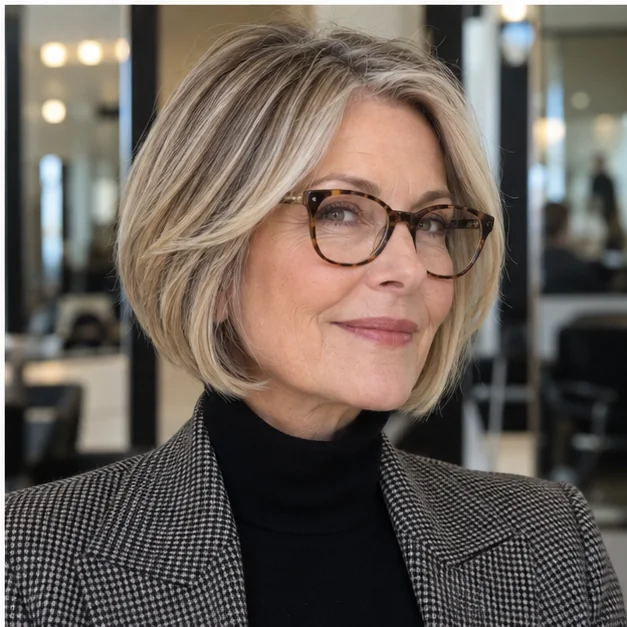
Softly tapered temple pieces sit neatly around eyeglass arms, while longer jaw layers keep the bob from looking cropped or helmet-like. The open sides reduce visual clutter, show off distinctive frames and create a smart, relaxed confidence that works beautifully for daily professional wear. Fine to medium hair benefits from the retained bottom weight, and light styling cream helps the temple pieces stay behind the ear. Bring your everyday glasses to the appointment and request cheekbone framing, discreet softness around the sideburns, a strong jaw-length perimeter and no bulky section cut directly where the arms rest.
Ask your stylist: Shape cheekbone layers around my glasses, soften the temples and retain a strong jaw-length outline.
13. Asymmetrical Layered Bob
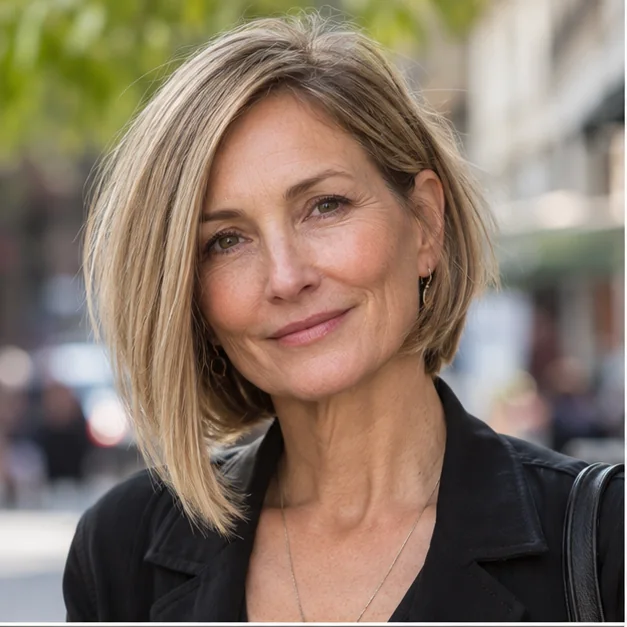
One front panel falls slightly below the jaw while the opposite side finishes higher, and long layers keep the difference flowing rather than abrupt. The diagonal movement can soften a square jaw, break up facial roundness and give the wearer a creative, quietly daring feeling without committing to an undercut. It is easiest on straight or loose-wavy hair and should remain visible after a simple air-dry. Ask for a one-to-two-inch asymmetry, a level nape, connected internal layers and enough weight in the longer corner; trims every six to eight weeks stop the design reading as accidental growth.
Ask your stylist: Create a one-to-two-inch front asymmetry with a level nape, connected layers and a strong long corner.
14. Shaggy Layered Bob
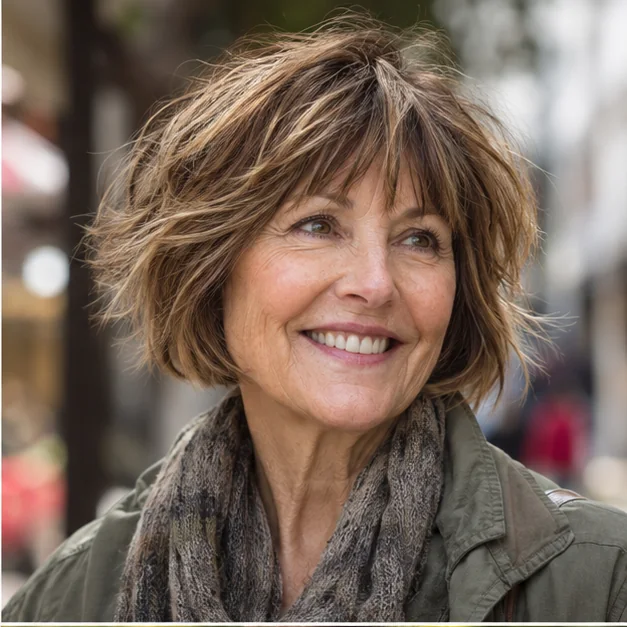
Shorter crown layers and irregular face-framing pieces create a tousled bob with more separation than a classic rounded shape. The texture adds lift to medium-density hair, softens strong features and feels playful, individual and refreshingly unfussy when perfect smoothness is not the goal. It works especially well with natural bend and a little dry texture spray, though too many short layers can expose fine ends. Request a jaw-to-neck perimeter, disconnected-looking but technically blended crown pieces, cheekbone framing and a soft fringe option, while preserving enough baseline weight to keep it recognizably bob-shaped rather than becoming a short shag.
Ask your stylist: Add piecey crown and cheekbone layers but preserve enough jaw-to-neck perimeter for a bob silhouette.
15. Sleek Invisible-Layer Bob
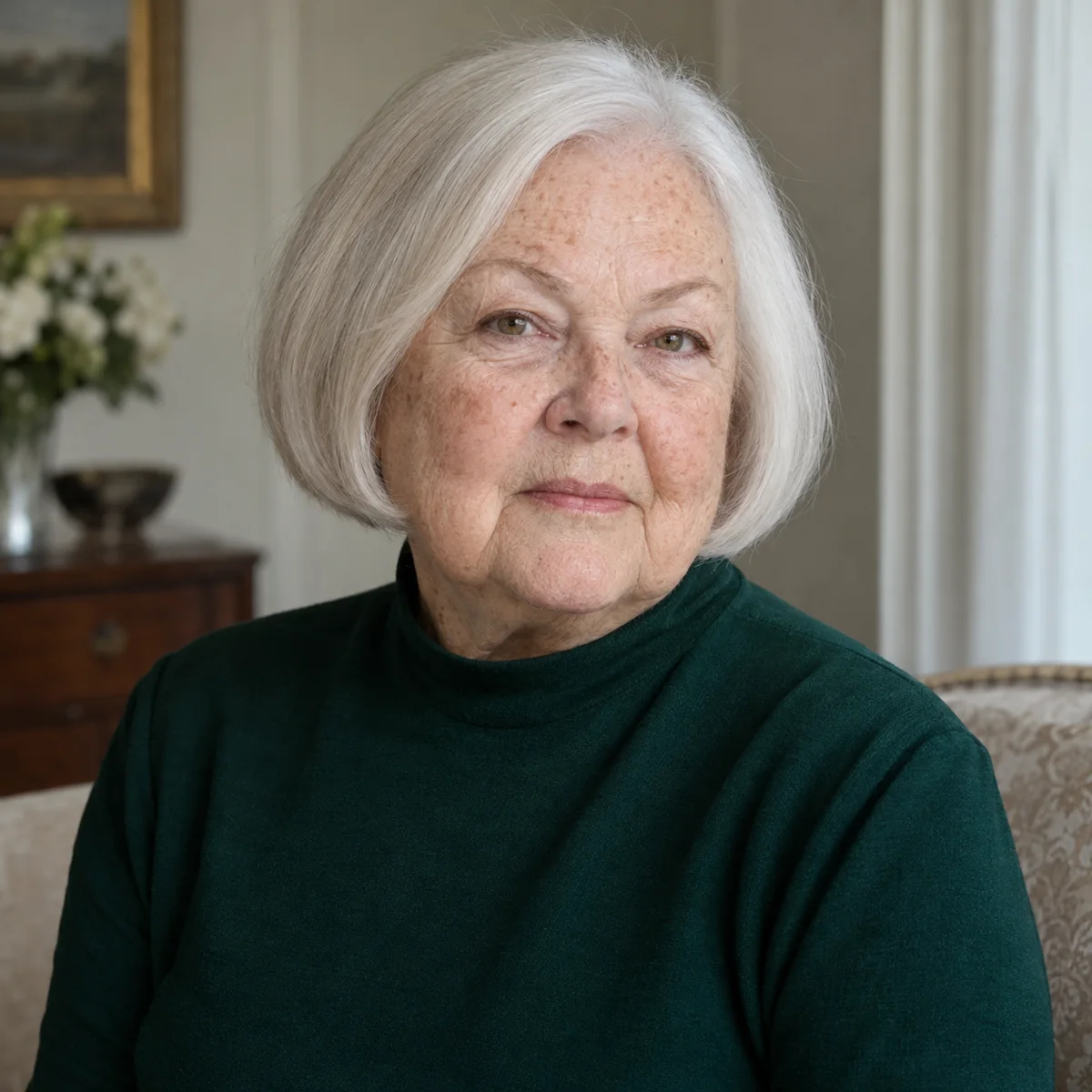
At first glance this looks like a pristine one-length bob, but delicate internal layers let the hair bend and move instead of hanging as one solid block. The smooth surface reflects light, sharpens the jawline and creates a sophisticated, composed mood that moves from an ordinary workday to dinner without restyling. It favors straight or smoothed wavy hair and needs heat protection before a paddle-brush blowout or flat iron. Ask for a jaw-length blunt visual line, invisible internal elevation, minimal surface layering and slight beveling at the ends; avoid thinning shears if density already fades toward the bottom.
Ask your stylist: Keep a blunt-looking jaw line with invisible internal elevation, minimal surface layers and beveled ends.
A useful pause: A layered bob should still have a readable outer shape. Indiscriminate thinning can erase the fullness that made a bob appealing.
16. Side-Swept Bangs Layered Bob
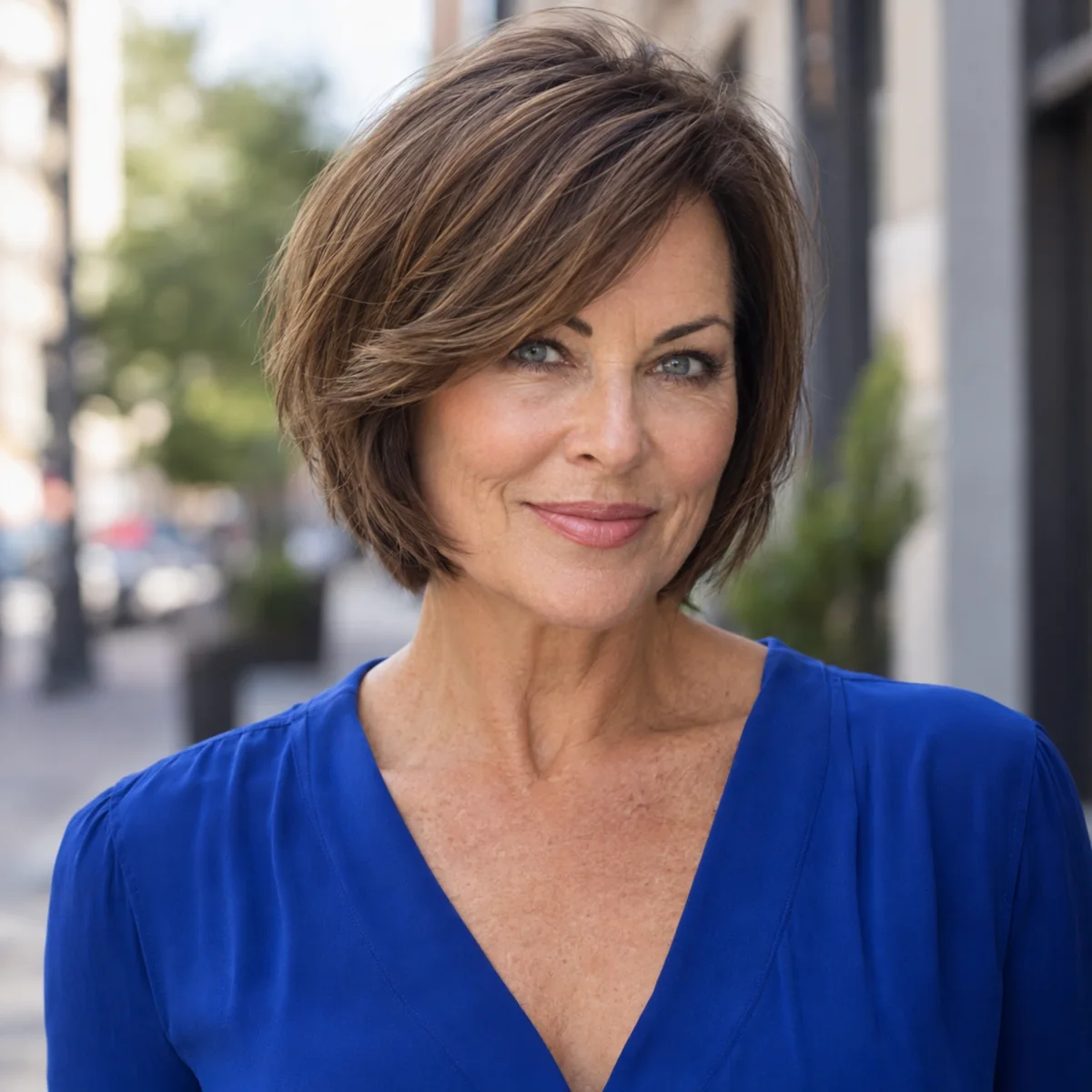
A long fringe travels diagonally across the forehead and dissolves into cheekbone layers, while the rest of the bob curves softly around the jaw. The sweep can balance a long or heart-shaped face, draw focus toward the eyes and feel graceful and polished without the commitment of straight-across bangs. It suits fine through thick hair when the front follows its natural growth direction; dry the fringe side to side before setting the final sweep. Request a fringe beginning around the brow and ending at the cheekbone, connected face framing, gentle crown layers and no deep thinning near the temple.
Ask your stylist: Cut a brow-to-cheekbone side fringe connected into gentle crown and face-framing layers.
17. Voluminous Blowout Layered Bob
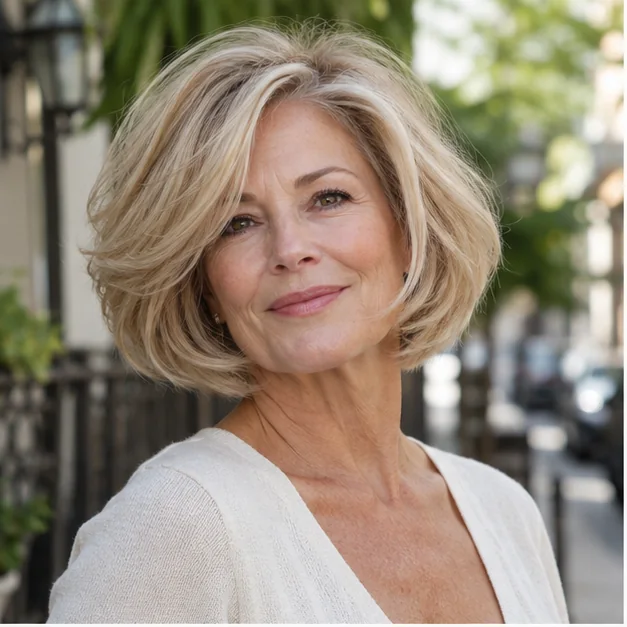
Rounded layers lift away from the scalp and curve through the ends, creating a buoyant blowout that finishes clearly above the shoulders. The airy volume can make medium-density hair look abundant, soften a narrow face and give the wearer an unmistakably glamorous, celebratory feeling. It is best for someone willing to use a large round brush, rollers or an air styler and protect the result from humidity. Ask for long crown elevation, cheekbone face framing and rounded ends with enough perimeter weight to avoid a bubble shape; use light mousse and cool every section before brushing through.
Ask your stylist: Build long crown elevation and cheekbone framing over a strong above-shoulder perimeter.
18. Low-Maintenance Tousled Layered Bob
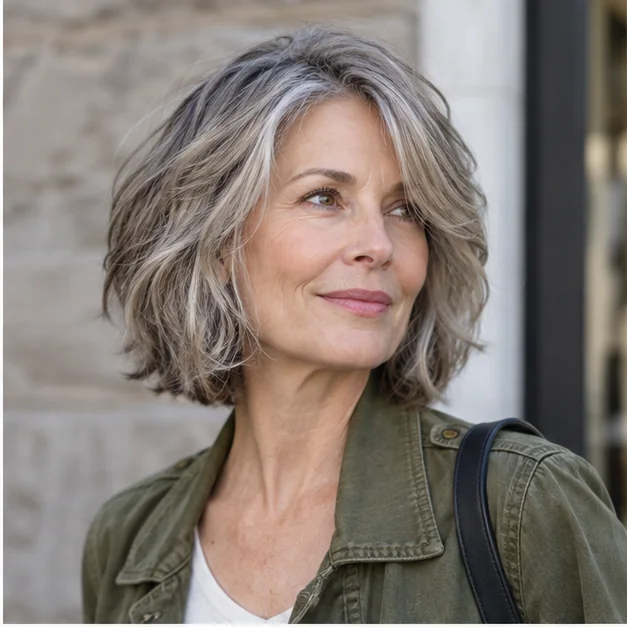
Long, loosely connected layers give this neck-length bob a naturally rumpled finish that looks intentional with very little precision styling. The uneven movement disguises minor regrowth, softens the jaw and can make the wearer feel relaxed and current rather than tied to a salon-fresh finish. It works with straight hair that bends easily or soft waves; scrunch in foam, rough-dry the roots and define only a few front pieces. Ask for a neck-length baseline, long layers beginning below the cheekbones, slight crown lift and point-cut rather than shredded ends so the cut can stretch to an eight-to-ten-week trim schedule.
Ask your stylist: Use long below-cheekbone layers, slight crown lift and point-cut ends over a neck-length baseline.
19. Copper Layered Bob With Warm Dimension
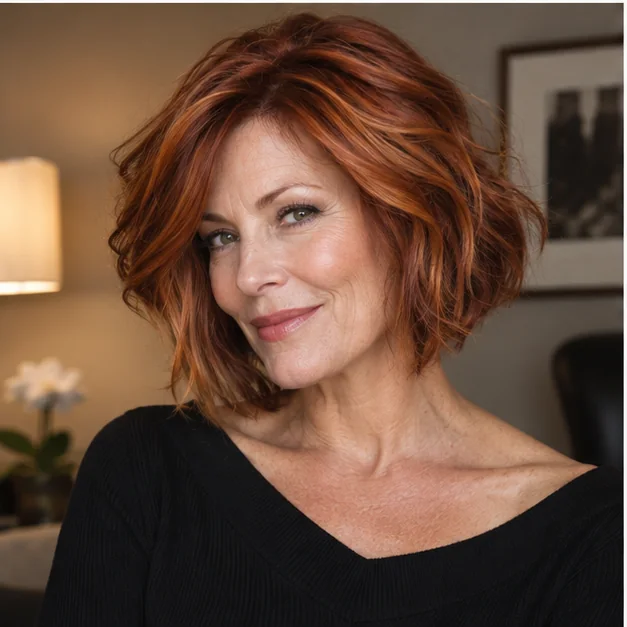
Warm copper and deeper auburn lowlights travel through a softly layered jaw-length bob, emphasizing the bends without making the shape busy. The color can brighten warm or neutral complexions, blend sparse gray strands intentionally and create an energetic, luxurious mood. Because red tones fade quickly, this version benefits from color-safe cleansing, moderate heat and a gloss between full color appointments. Ask for long connected layers, a weighty perimeter and dimensional copper tailored to your undertone with slightly deeper roots; have the cut completed before final color placement so brighter pieces follow the face framing accurately.
Ask your stylist: Cut long connected layers over a full perimeter, then place dimensional copper around the finished framing.
20. Grown-Out Layered Bob Toward a Lob
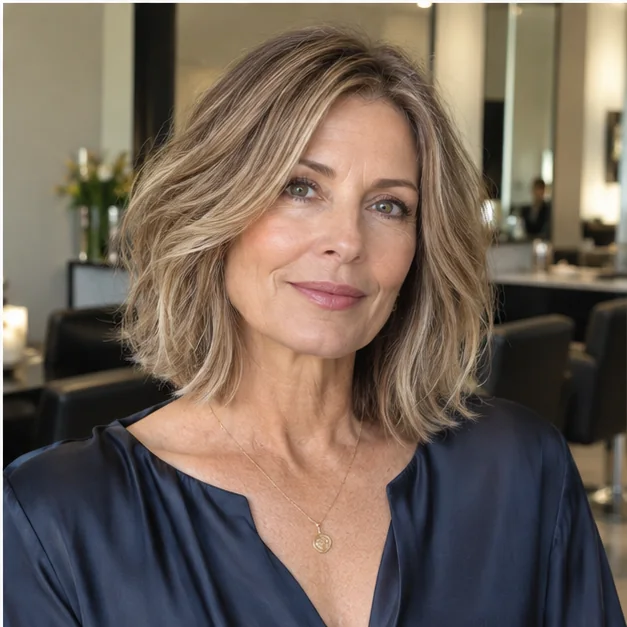
This collar-skimming stage keeps the original bob's movement while the perimeter approaches lob length and shorter layers begin to settle. A little face framing prevents the extra length from dragging features downward, and the softer silhouette feels calm, versatile and encouraging when you want change without another major chop. It suits most textures, though the nape may need small balancing trims while the front catches up. Ask your stylist to preserve overall length, remove only uneven corners, blend any old stack gently and refresh cheekbone-to-jaw framing; trimming every ten to twelve weeks supports progress without repeatedly resetting it.
Ask your stylist: Preserve length, remove only uneven corners, soften the old stack and refresh cheekbone-to-jaw framing.
A useful pause: Choose the cut whose ordinary-day routine sounds comfortable. A shape that works with your texture will feel fresh for longer.
What Makes a Layered Bob Different
The essential combination is bob length plus deliberate elevation. A blunt bob keeps most hair at one baseline; a layered bob uses shorter pieces inside, on the surface or around the face so the silhouette moves and lifts. A stacked bob is one specific construction with concentrated graduation at the back. A bixie exposes more neck and ear, while a lob generally reaches the shoulder or collarbone.
Match Layer Placement to Your Density
Fine or thinning hair usually benefits from a strong perimeter, long internal layers and restrained crown elevation. Dense hair can support deeper internal weight removal and visible surface movement, though indiscriminate thinning may create frizz or hollow ends. Straight hair displays every cutting line, waves need room to form their bends and curls should be assessed at dry length.
Use the Shape to Frame Your Face
An angled front or lifted crown can add vertical balance to a round face. Side fullness, curtain bangs or outward feathering can soften a longer face, while diagonal fringes and asymmetry break up a square outline. Glasses need breathing room around the temples, and cheekbone layers direct attention toward the eyes. These are options, not age rules.
What to Ask for at the Salon
Bring front, side and back references, then describe the perimeter length, where you want volume and how much styling you do. Say whether you want a strong baseline, invisible internal layers, visible surface texture, nape graduation or cheekbone framing. Ask where the shortest layer will sit. If density is a concern, state clearly that you want movement without transparent ends or aggressive thinning.
Simple Styling by Texture
Straight hair can be root-lifted with mousse and smoothed using a paddle or round brush. Wavy hair often needs leave-in conditioner, foam and hands-off drying. Curly bobs benefit from sectioned product application and drying without stretching the crown flat. Silver or color-treated hair needs heat protection and lightweight shine rather than heavy oil.
Maintenance and Growing It Out
Precise stacks, short napes and bangs reveal growth first, while long layers and tousled outlines are forgiving. Most layered bobs stay balanced with trims every six to eight weeks. To grow toward a lob, preserve the perimeter, soften old graduation gradually and trim only corners that disrupt the shape. Avoid repeatedly shortening the front to match the nape.
How to Choose Your Favorite
First decide how much bottom fullness you need, then choose where you want movement. Fine hair may suit invisible layers or a restrained angle; thick hair can carry internal weight removal, waves and feathering. Choose bangs only if their daily reset feels manageable. Save one image for silhouette, one for layer placement and one for finish, then explain which details matter most.
More Haircut Ideas
- 20 Short Bob Haircuts That Look Chic, Modern and Easy to Wear — Compare shorter bob silhouettes.
- 20 Shoulder-Length Layered Haircuts That Look Full, Soft and Easy to Style — Explore longer layered options.
- 20 Bixie Haircuts That Give You the Best of a Bob and Pixie — See a shorter hybrid shape.
The Best Layered Bob Is the One That Fits Your Life
Save the shapes that look appealing, but also notice which care routine feels realistic. When the perimeter, layer placement and texture plan all suit your actual hair, a layered bob can feel fresh on ordinary mornings—not only on salon day.