If you like the lift of short layers but still want hair that brushes your collar or slips into a ponytail, the wolf cut lets you keep both. The trick is deciding how much contrast you want between the top and the ends.
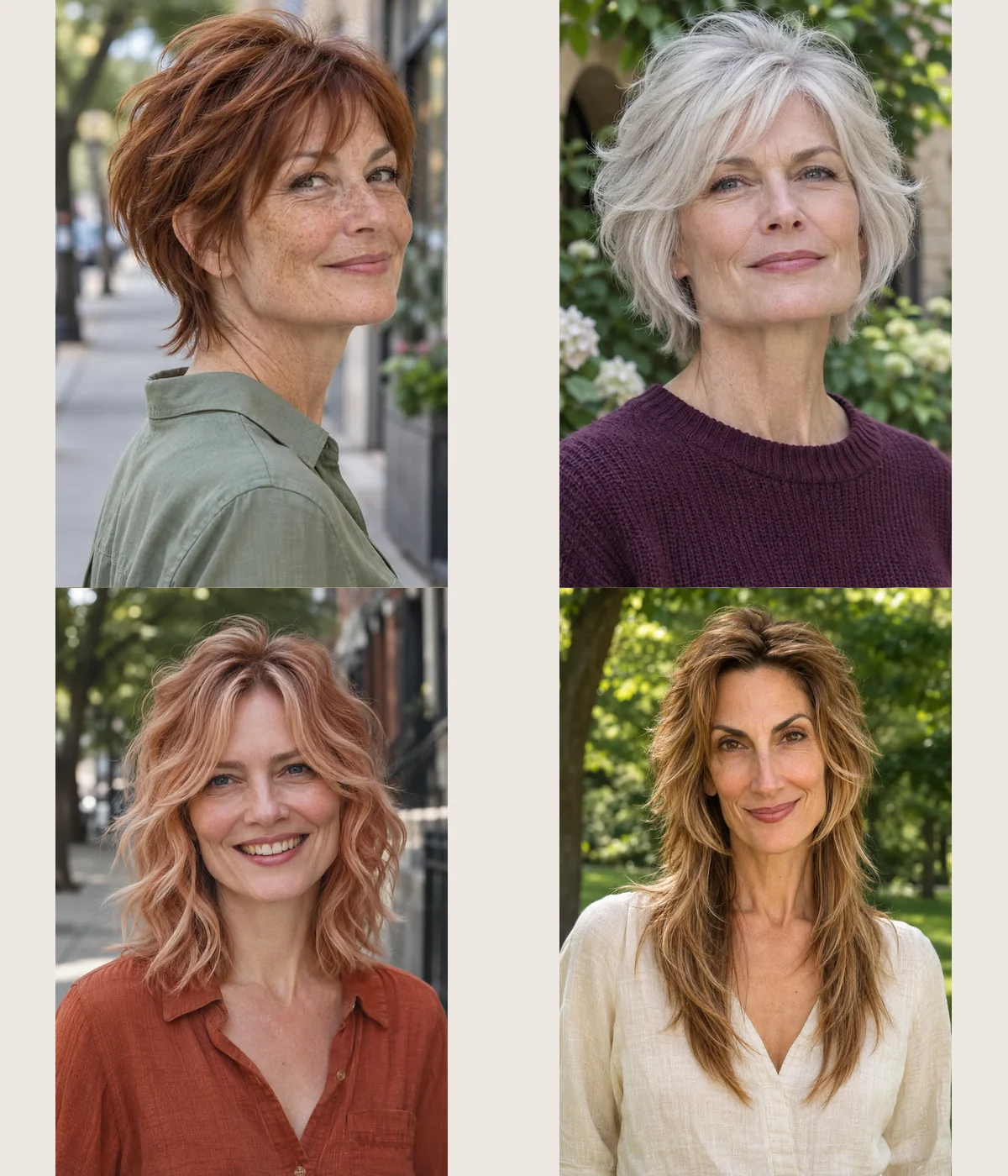
A wolf cut is a layered haircut with a shorter, fuller crown and a visibly longer, narrower outline toward the nape or ends. A classic shag tends to spread its layers more evenly, while a mullet usually makes a sharper break between the short sides and long back. The wolf cut sits between them: you should see the lift at the top and the length below it, but the two can blend softly. Start with how dense your ends are, how your hair dries and whether you need it to tie back.
Find the one that feels like you: Start with the first look and let the photographs lead. Each style explains how the shape affects your features, the mood it creates and the exact words to take to your stylist.
Quick Facts
- Signature shape: shorter crown layers and an outline that narrows toward the ends.
- Fine hair: protect the bottom edge and keep short crown layers selective.
- Curly hair: compare the shortest and longest layers after the curls have dried.
- Wear glasses? Bring them to the appointment so you can check where the fringe lands.
1. Soft Cropped Wolf Cut With a Visible Nape
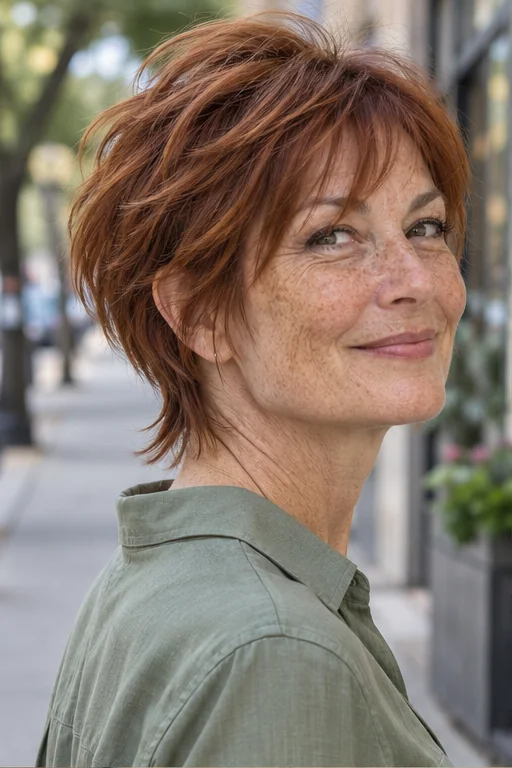
Seen from the side, the shape runs from a rounded, lifted crown into a slim nape that reaches just below the ears, leaving the neckline open. That upward emphasis draws attention to your eyes and makes the crop feel lively enough to wear with a plain tee or a tailored collar. If you prefer styling with your fingers, push the crown forward with a little matte cream and leave the nape alone. A short nape loses its outline as it grows, so book the next cut when you start seeing bulk behind the ears.
Ask your stylist for: Keep a soft, rounded crown and a narrow, visible tail at the nape with a blended transition behind each ear.
2. Jaw-Length Wolf Cut With Fuller Ends
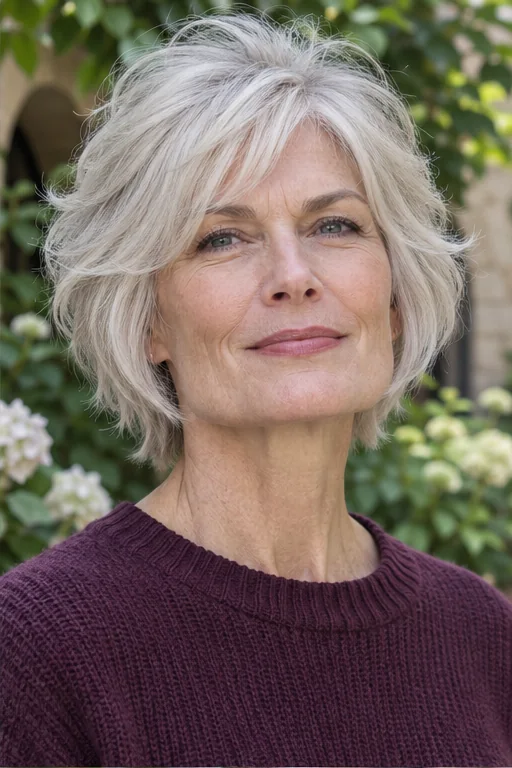
Fine hair can carry a wolf shape when the short layers are concentrated at the top and the jaw-length ends stay visibly full. That compact outline frames your jaw, while a little separation around the crown gives the cut a breezy feel even when you wear it smooth. The contrast is quieter than on a heavily layered cut, which works beautifully if you want movement you can wear to the office. Dry the roots in the opposite direction of your part and let the lower edge settle where it falls.
Ask your stylist for: Keep the jaw-length perimeter dense, add a small pocket of crown layers and leave a slightly longer taper at the back.
3. Short Curly Wolf Cut With a Neck-Length Taper
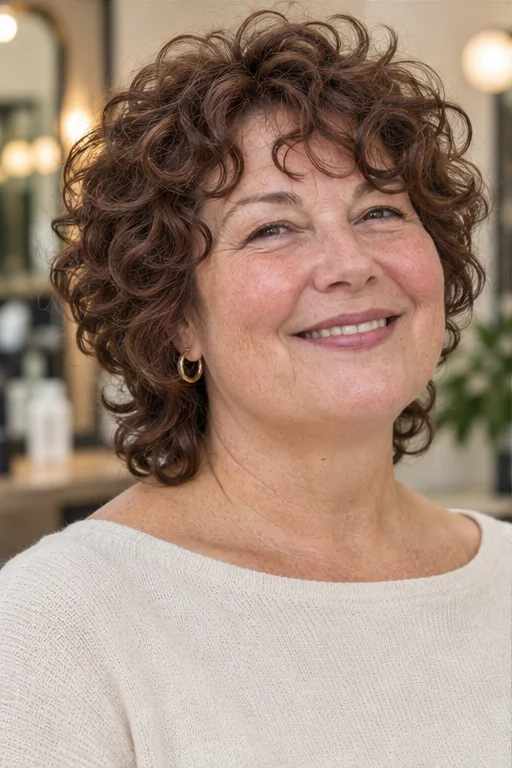
Springy curls make the graduated shape easy to see: rounded volume gathers at the crown, and longer ringlets fall into a narrower outline at the neck. The shape gives curls room to lift away from your cheeks and can make a simple wash day feel playfully dressed up. If your curls contract sharply as they dry, check where the top and nape land in their dry state before agreeing on length. Scrunch in a light gel, then let the cast set before touching the top.
Ask your stylist for: Assess my dry curl pattern, build a rounded crown and keep the longest dry ringlets at the neck.
4. Collarbone Wolf Cut With Side-Swept Bangs

With a sweep across the forehead and longer pieces flaring slightly at the collarbone, this shape gives you two clear lines to work with. The diagonal fringe shifts attention toward your eyes and can feel a little more polished on glasses days, especially when the ends clear the outer corners of your frames. A side part also makes the crown easier to lift if your hair naturally falls that way. Give the bangs a few seconds with a brush while damp and bring your usual frames to the appointment.
Ask your stylist for: Cut a light diagonal fringe that clears my frames, blend it into the temple and taper the back toward the collarbone.
Pause and notice: Compare where the fullness sits in the first four photos. A lifted crown can look round or narrow depending on how much length and weight the stylist keeps at the back.
5. Shoulder-Length Wavy Wolf Cut With Curtain Bangs
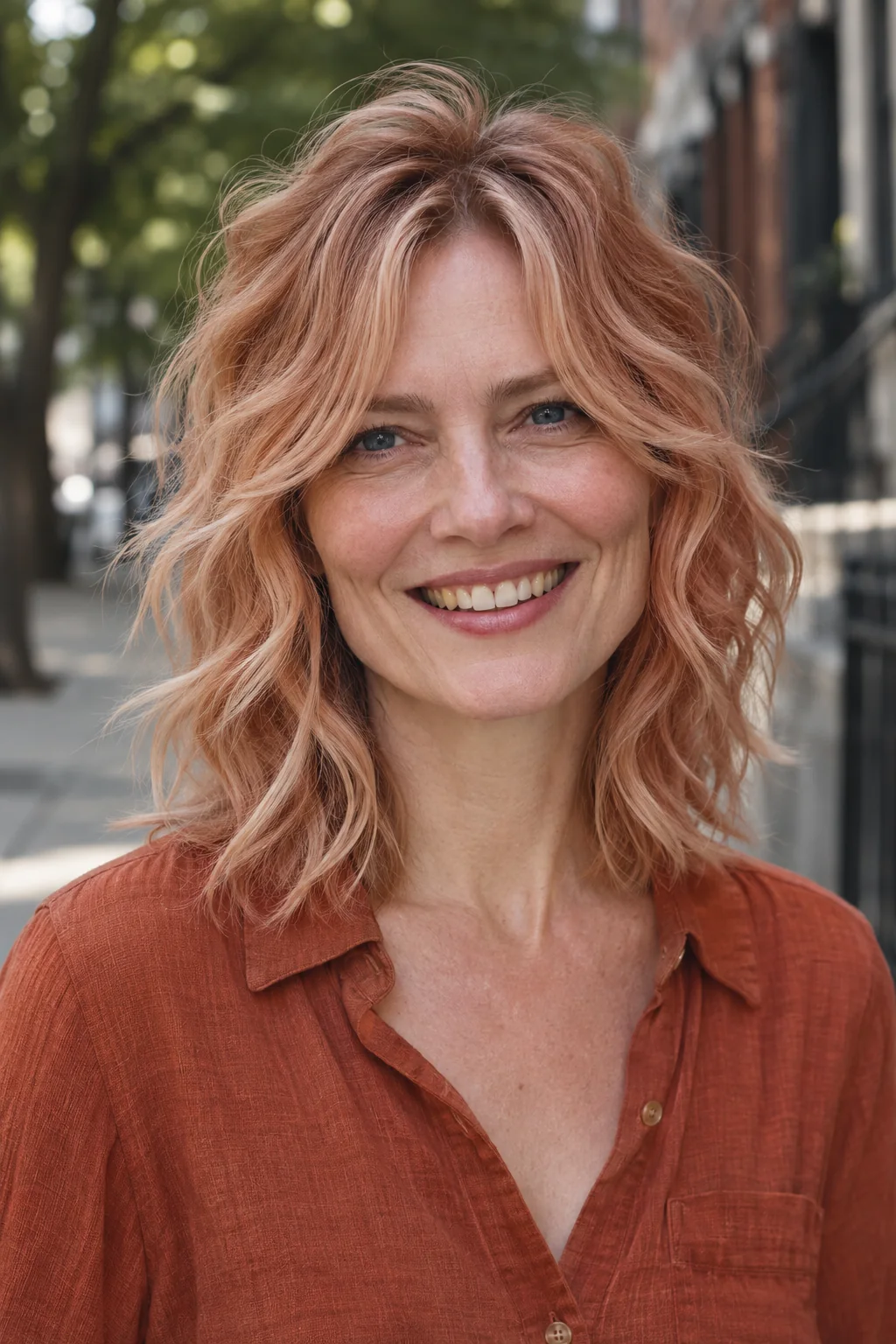
This version gives loose waves a rhythm: curtain bangs open at the eyes, the crown lifts gently, and the ends narrow at the shoulders. The waves soften the line around the cheekbones, creating the relaxed feeling of hair that has found its shape without much coaxing. It works well for a wave pattern that starts near the roots, while hair that only bends at the ends may need a little help up top. Press mousse into damp hair and diffuse the roots briefly before air-drying the rest.
Ask your stylist for: Give me cheekbone-length curtain bangs, connected crown layers and a shoulder-length taper that follows my natural wave.
6. Long Bob-Length Wolf Cut for Thick Straight Hair
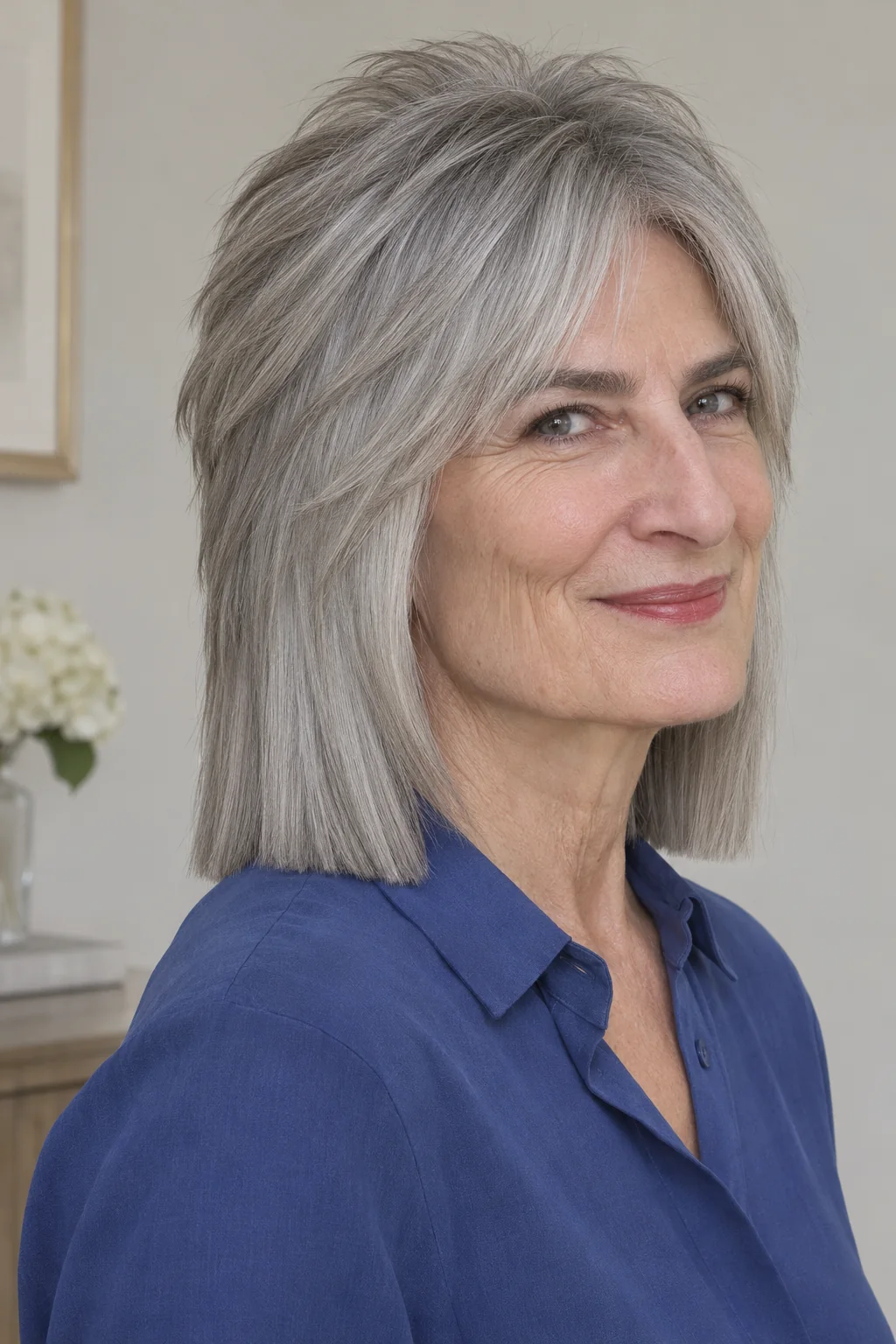
On dense straight hair, even a few well-placed layers can change where the weight sits. Here the crown is visibly shorter, the underside skims the shoulders, and the front edge lies close enough around your cheekbones for a neat shape that can make you feel put-together in a sharp jacket. Keeping some weight at the bottom gives the taper definition and prevents the ends from looking stringy. If the sides widen as they dry, smooth just those sections with a paddle brush and leave the crown free to move.
Ask your stylist for: Release weight inside the sides, keep a short connected crown and cut a tapered shoulder-length back with a firm edge.
7. Long Wolf Cut With an Open Forehead
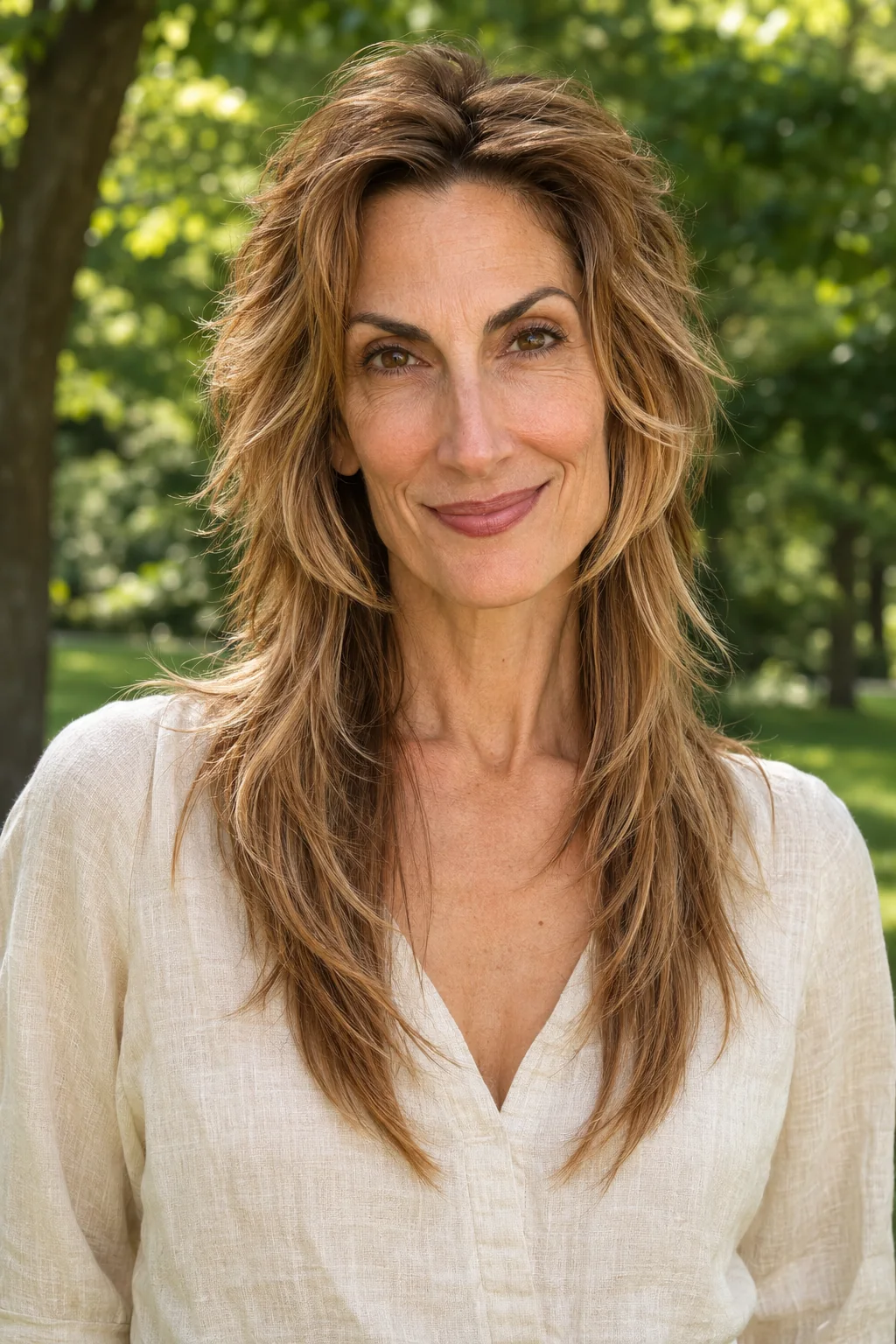
Below the shoulders, the space between the crown and the tapered ends becomes part of the style. Long face-framing pieces start near the jaw and leave your forehead open, creating a flowing, confident feel that suits someone who wants to keep her length and brush the front away from her face. The longer front pieces can slip into a low tie, though some crown layers may still need a pin. For second-day lift, mist the top lightly with water and reset the part with your fingers.
Ask your stylist for: Leave the forehead open, start the face frame at the jaw and keep the longest ends below the shoulders with a soft V.
8. Long Curly Wolf Cut With a Soft Curly Fringe
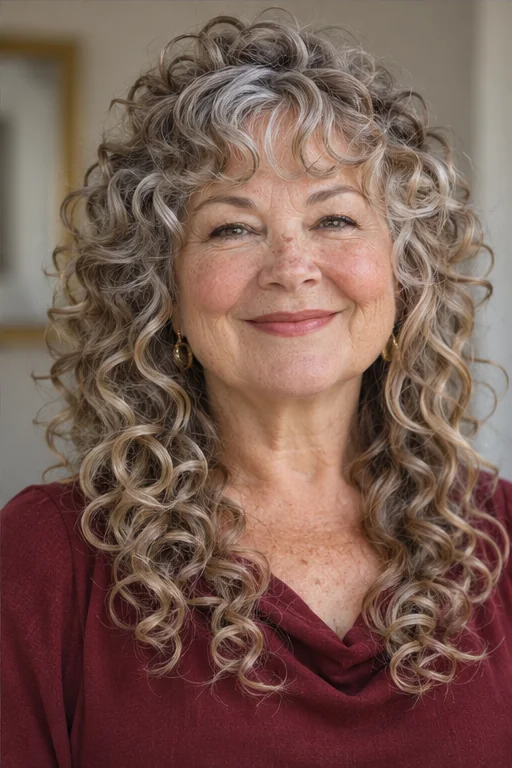
Long curls often build width near the bottom. This cut moves some of that volume to the crown, with a light curly fringe introducing the shape at the brows and longer spirals narrowing toward the chest. You get movement around the eyes and a bold, easygoing silhouette that feels intentional even if the individual curls fall differently each day. It suits someone happy to refresh a few short curls between washes. Wet just the fringe and twist each curl in its natural direction to bring it back.
Ask your stylist for: Keep the longest dry spirals at chest level and leave enough length in the curly fringe to clear my brows when dry.
Before You Book the Appointment
A successful salon visit begins with the overall shape, construction and upkeep—not only the finished length. Use this quick reality check before choosing your final reference photograph.
- Lower density: Ask your stylist to show how much hair will remain in the perimeter before taking short layers throughout.
- Cowlicks and glasses: Bring your frames and discuss where your part and fringe naturally settle.
- Active routines: Try a low ponytail or clip at the consultation to see which pieces will escape.
- Curly shrinkage: Choose a dry-length goal for the crown, fringe and longest ends separately.
What Does a Wolf Cut Look Like Unstyled?
Ask for a reference photo of hair air-dried in a texture like yours. Straight hair shows the layer lines more clearly, waves often make their own bends, and curls draw up as they dry. A small amount of product at the crown can show the shape without styling every end.
Maintaining and Growing Out a Wolf Cut
The fringe and short nape usually change shape first. You can refresh either independently and leave the longer pieces alone. If you want to grow the cut out, ask to keep the crown and tidy the perimeter while the upper layers catch up.
Can You Wear a Wolf Cut in a Ponytail?
Longer versions often tie back low, but the shortest crown or fringe pieces may work loose. Show your stylist where you normally secure your ponytail. That makes it easier to agree on the minimum length for your shortest layer.
The Takeaway
Save one photo for the outline and one for the fringe or texture. At your appointment, point out where you want the shortest crown layer and the longest ends to fall after drying. Those two decisions give your stylist a clear place to start.
More Hair Inspiration
- 20 Wolf Cut Ideas With Lifted Crowns and Soft, Tapered Layers — Compare more wolf-cut silhouettes and degrees of crown lift.
- 20 Medium-Length Hairstyles for Women Over 50 That Feel Fresh and Flattering — Explore other shoulder and collarbone-length cuts if you prefer more weight through the ends.